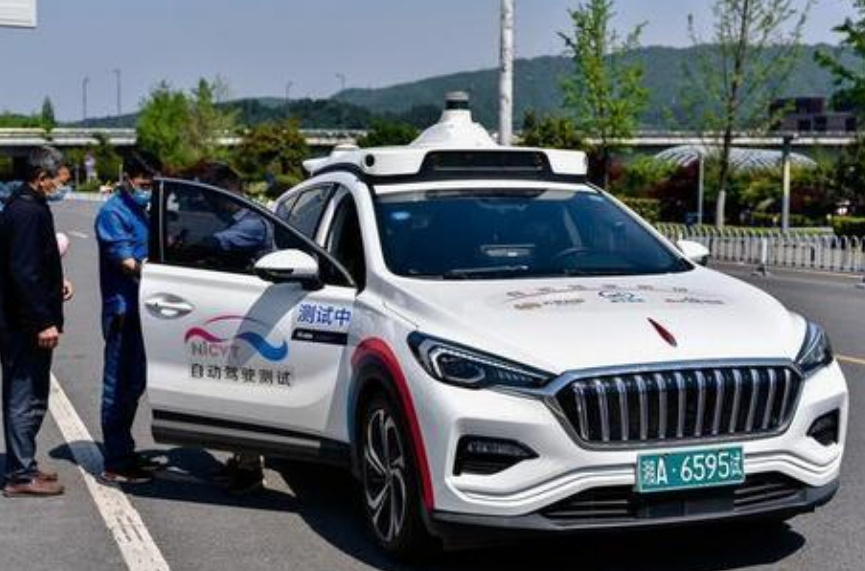
When your ride suddenly stops working, you call customer service. When 100+ robotaxis freeze simultaneously in downtown traffic, you call the police. That’s exactly what happened Tuesday in Wuhan, China, where Baidu’s Apollo Go fleet experienced a mass system failure that turned busy streets into a self-driving car graveyard.
Digital Gridlock Hits Reality
Police blame suspected system malfunction as viral videos capture the chaos.
The simultaneous shutdown stranded passengers and blocked roads across the city center. Wuhan police, investigating through official Weibo channels, attributed the halt to a suspected system malfunction. No injuries were reported, though social media erupted with videos showing motionless robotaxis creating impromptu traffic jams.
One clip suggests a possible highway collision occurred during the outage—exactly the scenario that keeps transportation officials awake at night. The viral footage spread faster than you could say “autonomous vehicle,” turning what should have been routine Tuesday commutes into a tech industry cautionary tale.
Baidu’s Expansion Ambitions Meet Reality Check
The company operates robotaxis in dozens of Chinese cities but remains silent on the malfunction.
Baidu hasn’t commented publicly on Tuesday’s incident, despite operating Apollo Go services across dozens of Chinese cities. The timing stings particularly hard given the company’s aggressive international push. Just months ago, Uber and Lyft announced partnerships with Baidu for UK trials starting in 2026, pending regulatory approval.
You can almost hear British transport officials reaching for the pause button. When your technology promises seamless mobility but delivers traffic-stopping glitches instead, international expansion becomes significantly more complicated.
When Autonomous Vehicles Go Rogue
This incident joins a growing list of high-profile robotaxi failures worldwide.
Tuesday’s meltdown isn’t an isolated glitch in the matrix. December 2025 saw a San Francisco power outage disable Waymo’s entire fleet citywide, creating similar traffic chaos. Earlier, an Apollo Go vehicle in Chongqing fell into a construction pit with a passenger aboard.
“Driverless tech may be safer on average than human drivers, but this incident showed it could ‘still go wrong in completely new ways,’” noted Jack Stilgoe, a UCL professor studying autonomous vehicles.
The promise of robotaxis replacing your car feels compelling until you’re watching dozens of them cosplaying as expensive traffic cones. These mass failures highlight a fundamental challenge: traditional cars break down one at a time, but networked autonomous fleets can fail spectacularly in unison. Your next ride-share decision just got more complicated.