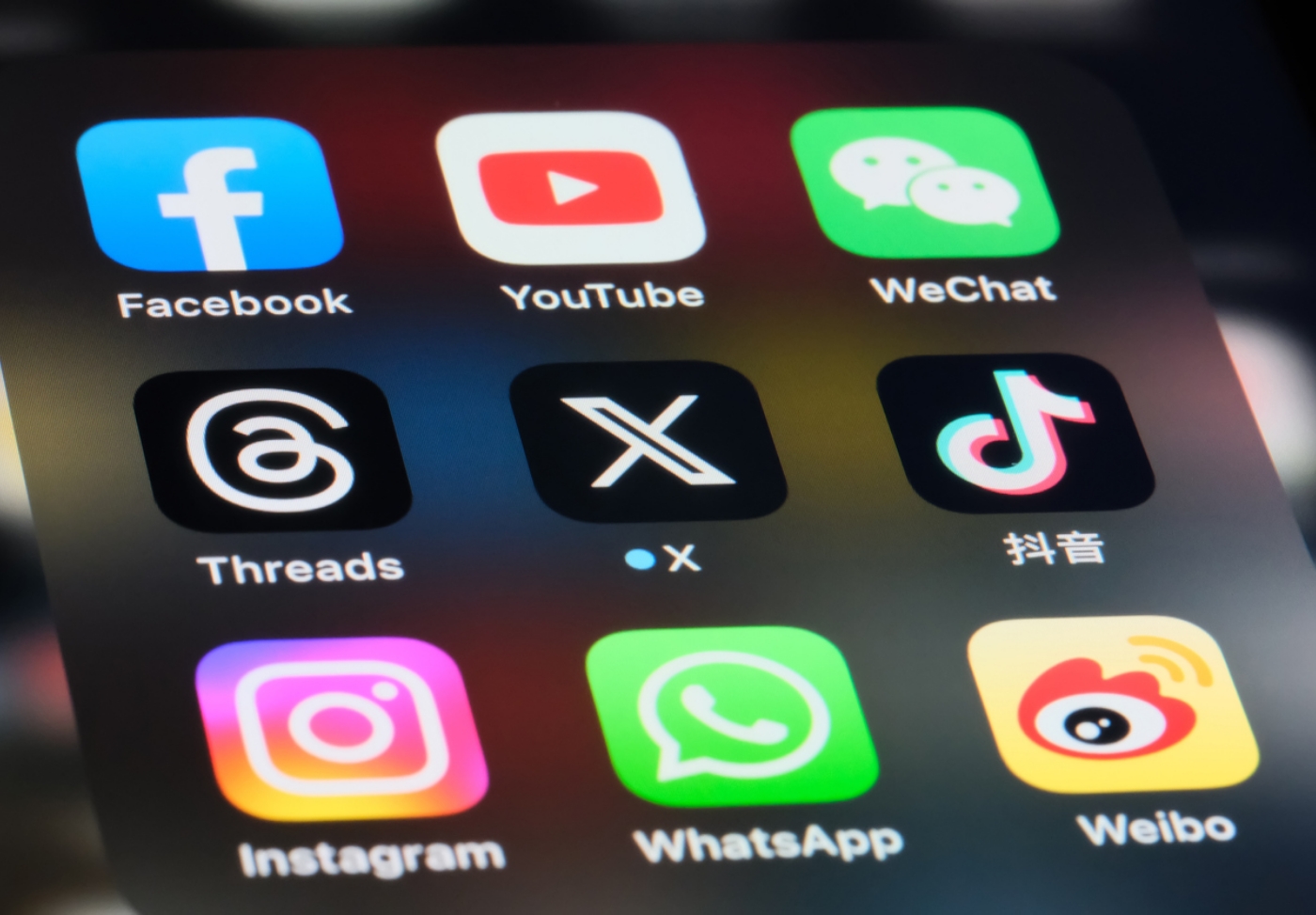
Your Instagram stories and Twitter rants just became government intelligence. Research from digital privacy company Proton reveals that U.S. government requests for user data from major tech companies have exploded by 770% over the past decade, affecting more than 6.7 million accounts when including Foreign Intelligence Surveillance Act requests. “This isn’t a blue or red thing,” explains Edward Shone, Proton’s head of communications. “This has gone up consistently for over a decade now.” Your digital footprint is now a data goldmine for federal agencies.
Every Platform, Every Click
The surveillance dragnet spans all major tech companies with staggering growth rates.
- Apple saw government data requests jump 927%
- Google climbed 557%
- Meta increased 668% during this period
Facebook alone received 374,516 law enforcement requests in the first half of 2025, producing user data for 77% of them. Your photos, messages, and location history flow to federal databases with assembly-line efficiency. These aren’t isolated fishing expeditions—they’re systematic data harvesting operations targeting the platforms you use daily.
From Visas to Ideology Police
What started as immigration screening has morphed into thought surveillance.
Optional social media collection from visa waiver travelers in 2016 became mandatory for all 14 million annual visa applicants by 2019. Now the State Department screens student visas for “political activism” and “hostility towards U.S. institutions”—essentially ideological vetting through your posts. A proposed 2025 expansion would require 3.6 million immigration applicants (mostly already in the U.S.) to surrender their social media identities, plus their American relatives’ accounts.
The Data Recycling Empire
Your information gets shared across agencies like a government group chat from hell.
DHS’s Automated Targeting System scours social media to flag “derogatory” content, while data flows freely between ICE, FBI, CBP, and USCIS. A March 2025 executive order demolished information-sharing protections, turning immigration data collection into an all-access pass for law enforcement. Information collected for one purpose gets recycled endlessly across agencies, creating permanent digital dossiers.
Tech Companies’ Toothless Resistance
Silicon Valley’s privacy promises crumble under government pressure.
Despite high-profile encryption rhetoric, tech giants fold under government requests with depressing regularity. Senator Ron Wyden warns that “unless Congress passes strong new guardrails, that information will inevitably be abused.” Meanwhile, Meta quietly removed end-to-end encryption from Instagram chat features, claiming low user adoption. ACLU counsel Jennifer Granick cuts to the heart of it: “The legal protections aren’t there,” making technical safeguards your only defense.
The surveillance state normalized faster than TikTok trends. Your posts are government property now—they just haven’t sent the paperwork yet.