Microsoft just posted its worst quarter since 2008, with shares plunging 23% while the Nasdaq dropped a mere 7%. That puts the company behind Office, Teams, and Azure in what analyst Ben Reitzes from Melius Research calls being “in a pickle.” The stock recovered slightly Tuesday, gaining 3.3%, but the damage exposes how AI promises are colliding with messy reality.
Copilot’s Promise Meets User Indifference
Microsoft’s flagship AI assistant attracts only 3% of potential business customers.
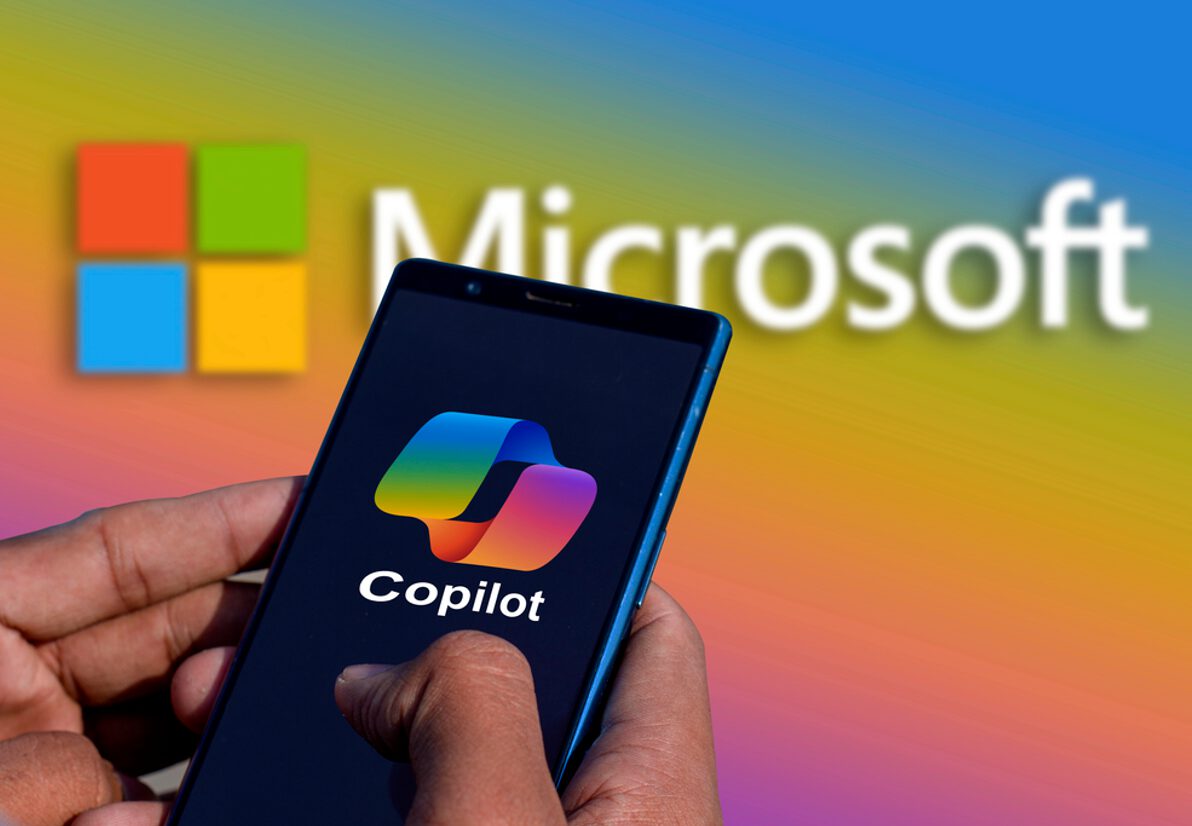
The uncomfortable truth about Microsoft’s AI revolution: only 3% of commercial Office customers actually license Microsoft 365 Copilot. Users are choosing Google, OpenAI, and Anthropic AI services instead. IT departments are skipping Microsoft’s $30-per-month AI add-on when competitors offer similar features.
The lukewarm reception forced Microsoft to divert Azure capacity away from profitable cloud services just to fix Copilot’s performance issues.
Leadership Musical Chairs Signal Deeper Problems
Executive reshuffling reveals Microsoft’s struggle to make AI work for everyday users.
Mustafa Suleyman, who led consumer Copilot, got shifted to AI models while Jacob Andreou from Snap takes over. This follows other high-profile departures and suggests Microsoft is still figuring out how to make AI actually useful for people who just want Word to write better or Excel to crunch numbers faster.
Azure revenue grew 39% despite these headaches, but growth is capped without solving the Copilot chip allocation mess.
Analyst War Reveals the Stakes
Wall Street splits between calling Microsoft doomed or discounted.
Gil Luria from DA Davidson calls the sell-off unjustified, noting 17% revenue acceleration and Microsoft’s “stickier” Windows and Office products. He expects the company’s earnings to outpace markets once the AI turbulence settles. But Reitzes isn’t buying it, seeing fundamental problems with Microsoft’s AI strategy that go beyond temporary growing pains.
The broader “SaaSpocalypse” hitting software stocks suggests subscription costs might finally face pressure. Whether Microsoft emerges stronger or stumbles further depends on turning Copilot from expensive experiment into essential tool.