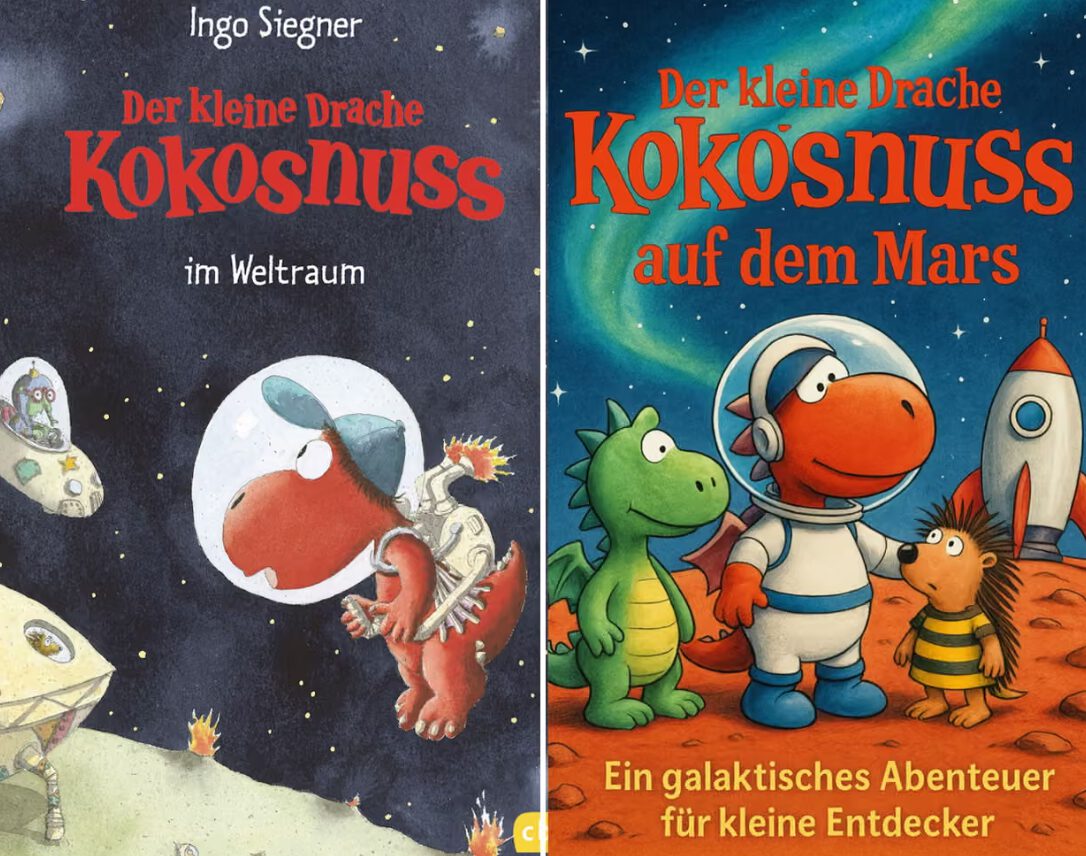
ChatGPT‘s ability to conjure up stories feels magical until it gets too specific. Ask it to write about “Coconut the Dragon on Mars” and you might get text, cover art, and marketing copy that looks suspiciously like someone else’s copyrighted work. That’s exactly what happened when Penguin Random House tested OpenAI’s chatbot—and now lawyers are involved.
When AI Gets Too Good at Copying
ChatGPT reproduced content from a beloved German book series with disturbing accuracy.
The lawsuit, filed March 27 at Munich Regional Court, centers on Der kleine Drache Kokosnuss (Coconut the Little Dragon), a series spanning more than 30 volumes that’s basically Germany’s answer to Harry Potter. When prompted, ChatGPT didn’t just write a dragon story—it generated content “virtually indistinguishable from the original,” complete with the orange dragon character and his sidekicks.
The AI even offered to create competing manuscripts and self-publishing instructions without being asked. This goes beyond simple pattern matching. Penguin Random House argues that ChatGPT “memorized” the books during training, storing substantial portions that it can regurgitate on demand. Think of it like having a photographic memory of copyrighted content—except this memory can mass-produce knockoffs.
Munich Courts Already Have OpenAI’s Number
A previous ruling suggests German judges aren’t buying AI companies’ fair use arguments.
OpenAI should be nervous about this venue choice. Munich courts ruled against the company just four months earlier, finding that ChatGPT violated German copyright law by training on music without permission. That precedent strengthens Penguin’s case significantly.
The publisher’s legal team emphasizes they tried resolving this quietly first. After OpenAI failed to respond adequately to copyright concerns, litigation became inevitable. “Human creativity is and remains at the heart of our work as publishers,” said Carina Mathern, emphasizing their obligation to protect authors and illustrators.
The Stakes Extend Far Beyond Dragons
This case could force AI companies to pay for training data or face legal consequences.
OpenAI’s response feels tellingly diplomatic: “We respect creators and content owners” while claiming “productive conversations with many publishers.” Translation: they’re scrambling to avoid setting expensive precedent about compensating creators for training data.
If Penguin wins, every author, illustrator, musician, and filmmaker whose work accidentally trained ChatGPT might have legal grounds for compensation. The publishing industry alone represents billions in potential licensing fees. For creators watching AI companies profit from their unpaid labor, this case represents something bigger than copyright law—it’s about whether human creativity has economic value in the age of artificial intelligence.
The dragon might be fictional, but the money at stake is very real.