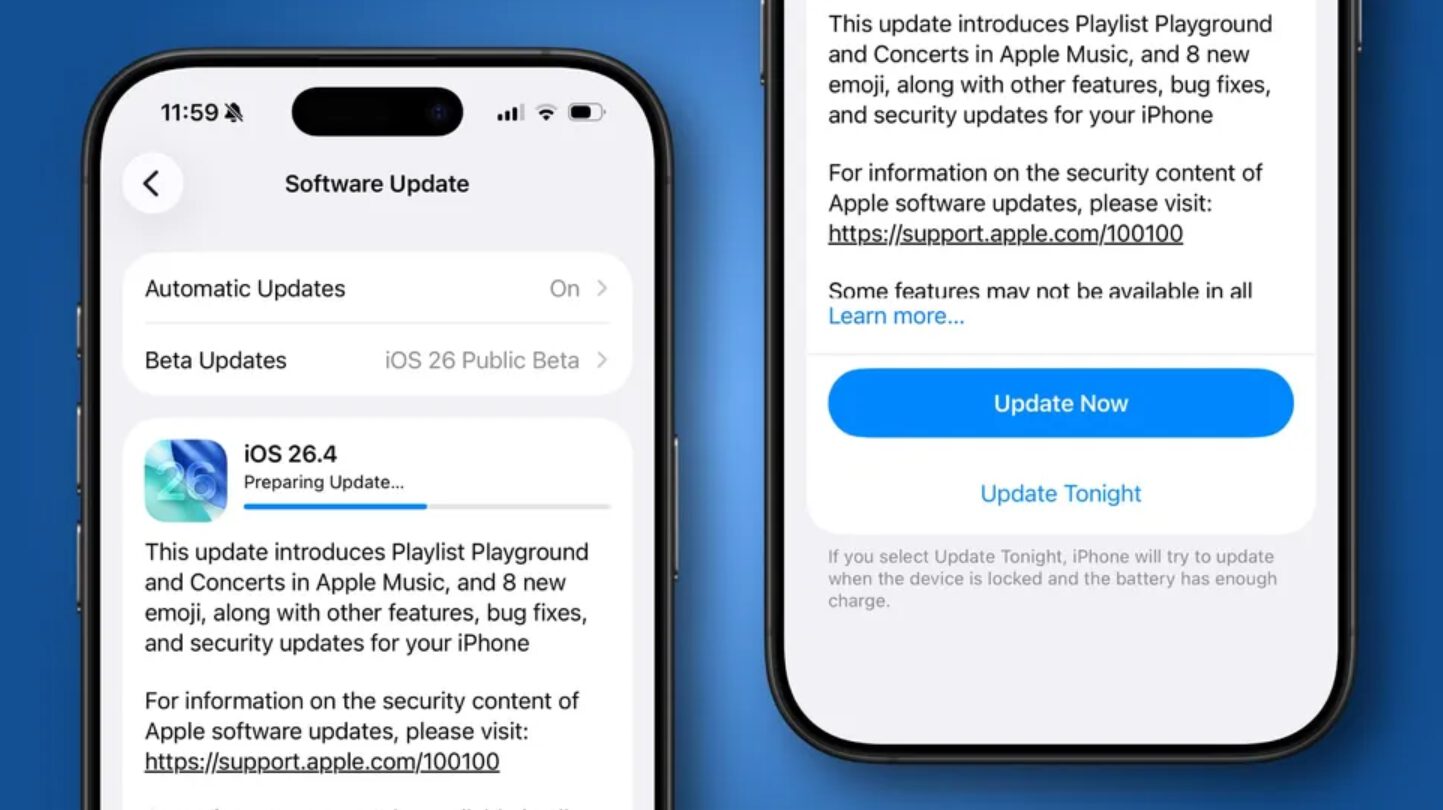
Apple’s iOS 26.4 turns every UK iPhone into a digital checkpoint, demanding adult verification for basic device access. The company’s iOS 26.4 update forces adult users to verify they’re over 18 before accessing their device’s full capabilities—and the backlash threatens to crack iPhone loyalty like a dropped screen protector.
Big Brother in Your Pocket
Your personal device now functions as Apple’s bouncer, checking ID before granting full access to features you already paid for.
Picture unlocking your phone and facing an ID checkpoint. That’s reality for UK iPhone users since March, when Apple activated mandatory age verification to comply with the country’s Online Safety Act. Your device now demands proof you’re an adult through:
- Credit card details
- Driving license scans
- Existing Apple account data
Miss the verification? Welcome to digital detention with Web Content Filter and Communication Safety enabled by default—features that blur nudity in Messages and block “inappropriate” content like you’re borrowing your parent’s phone.
The requirement isn’t technically mandated by current law for devices, making this Apple’s preemptive surrender to regulatory pressure. It’s the tech equivalent of TSA security theater, except the theater is your bedroom and the audience is Cupertino.
The Great iPhone Rebellion
User forums explode with Android migration threats as privacy-conscious iPhone loyalists reach their breaking point.
Reddit threads and Apple forums explode with users threatening Android migration—a phrase that would have seemed impossible five years ago. The complaints range from privacy invasion fears to frustrating for users without UK credit cards or expats lacking local identification. “It is beyond outrageous that adults should have to prove their identity to Apple to use their own devices,” declared Big Brother Watch’s Silkie Carlo, capturing the visceral ownership violation many feel.
Meanwhile, UK regulator Ofcom praised Apple’s move as “a real win for children and families,” highlighting the fundamental tension between child safety and adult autonomy that’s reshaping tech.
The Precedent Problem
What starts as UK-only child protection could reshape global consumer technology into a papers-please ecosystem.
This UK-only rollout could be Apple testing waters for global expansion—the company’s age verification APIs suggest broader ambitions. What starts as child protection often spreads as surveillance infrastructure, and Apple’s “privacy-first” brand positioning suddenly looks more like “privacy-with-papers-please.”
The real question isn’t whether age verification protects kids—it probably does. It’s whether transforming personal devices into gatekeepers represents the future of consumer technology, or the beginning of its rebellion.