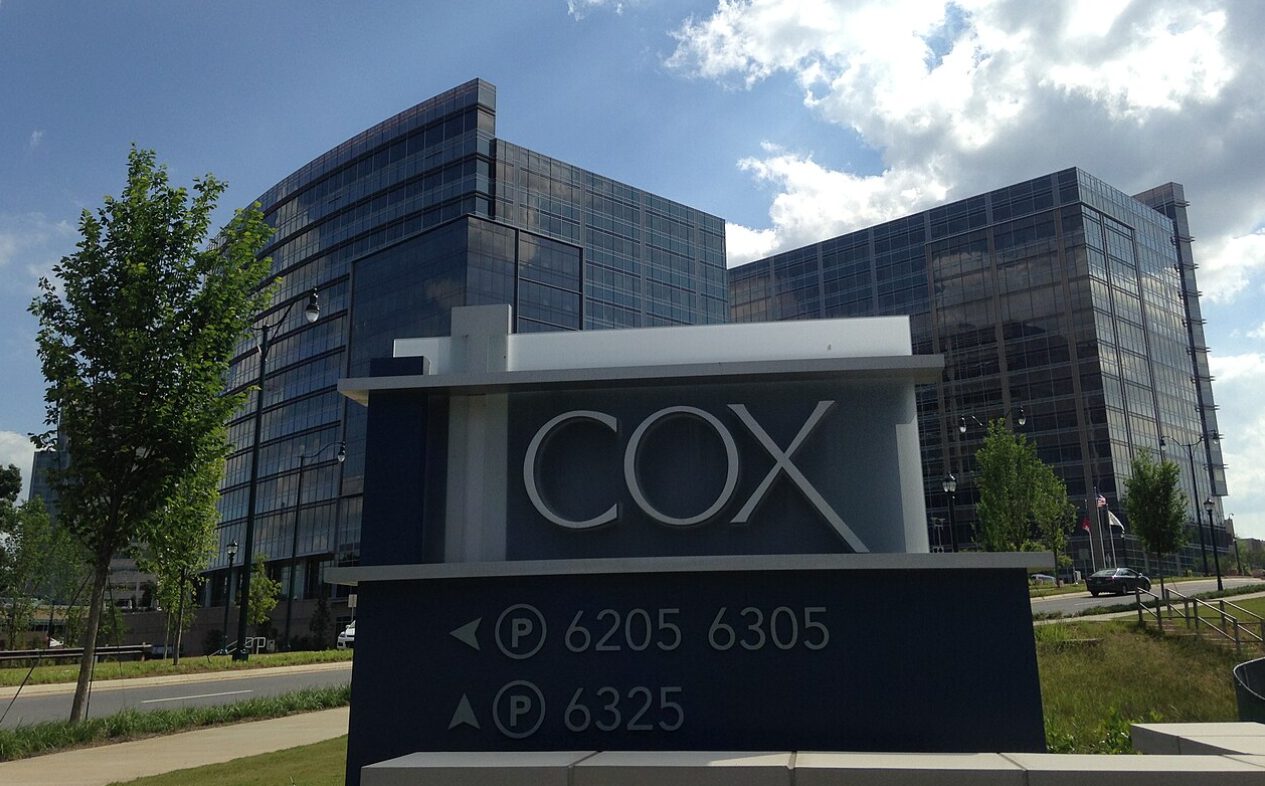
Your broadband bill just dodged a billion-dollar surcharge. The Supreme Court unanimously ruled March 25, 2026 that Cox Communications can’t be held liable for subscribers who download pirated music—unless the company actively encouraged infringement or designed its service specifically for piracy. This decision protects internet providers from becoming copyright enforcers while keeping your connection stable and maintaining internet speed.
Legal Victory Builds on VCR Precedent
Justice Clarence Thomas authored the majority opinion in Cox Communications v. Sony Music Entertainment, establishing that contributory liability requires proof of “inducement” or services “tailored to infringement.” Think of it like the old VCR ruling—just because people used Betamax players to record copyrighted shows didn’t make Sony responsible for every unauthorized recording. Your internet service has legitimate uses (work, streaming, online shopping) that far outweigh any illegal activity happening on the network.
Cox received 163,148 DMCA notices through MarkMonitor but implemented graduated responses including warnings, suspensions, and terminations rather than mass disconnections.
The $1 Billion Lawsuit That Started It All
The legal battle began when Sony and other labels sued Cox in 2018, frustrated that piracy notices weren’t triggering mass account terminations. A jury initially awarded $1 billion in damages—roughly Taylor Swift’s net worth.
But Cox argued they lacked complete knowledge about specific infringers, pointing to shared IP addresses in households, universities, and coffee shops where multiple people use the same connection. The 4th Circuit had previously overturned the damages portion in 2024.
Industry Reactions Split Along Predictable Lines
Cox stated that the ruling confirms “Internet service providers are not copyright police,” while the RIAA expressed disappointment. Digital rights groups like the ACLU and Public Knowledge praised the decision for protecting free expression and preventing what could have been mass internet disconnections, avoiding common computer problems. Even the Trump administration supported Cox’s position, recognizing that aggressive enforcement could disrupt essential broadband access.
Justice Sotomayor’s concurrence, joined by Justice Jackson, agreed with the outcome but criticized the majority for potentially undermining DMCA incentives for network policing.
The decision preserves DMCA safe harbor protections while clarifying that simply providing internet access doesn’t create baseline liability for user behavior. Your ISP won’t face billion-dollar lawsuits for maintaining reliable service, and you won’t face arbitrary disconnections based on incomplete piracy accusations.