Flashing lights in your rearview mirror hit differently when you genuinely have no idea what you did wrong. You signal, you stop at reds, you don’t tailgate like a maniac—yet here you are, wallet about to get lighter for violating some obscure Florida statute you’ve never heard of.
Florida’s traffic laws go deeper than the obvious stuff. The state writes nearly 700,000 speeding tickets yearly, but enforcement increasingly targets subtle violations that catch even careful drivers off guard. These aren’t reckless driving behaviors—they’re everyday habits that happen to violate Chapter 316 of Florida Statutes.
Left Lane Camping Will Cost You
Cruising in the passing lane isn’t just annoying—it’s illegal.
Florida Statute 316.081 requires drivers on multi-lane roads with speed limits of 65 mph or higher to keep right except when actively passing. This means I-95 and I-4 left-lane campers face citations for impeding traffic flow, even when driving the speed limit. The law prioritizes traffic flow over your personal cruise control preferences.
Your Phone Doesn’t Know When You’ve Stopped
Red lights don’t pause Florida’s texting ban.
Statute 316.305 bans handheld device use for texting or emailing while your vehicle remains “in operation”—including at red lights and stop signs. Officers can pull you over for phone use alone since it’s a primary offense. Hands-free is fine, but that quick text response at a traffic light isn’t worth the citation.
Move Over or Pay Up
Emergency vehicles aren’t the only ones requiring lane changes.
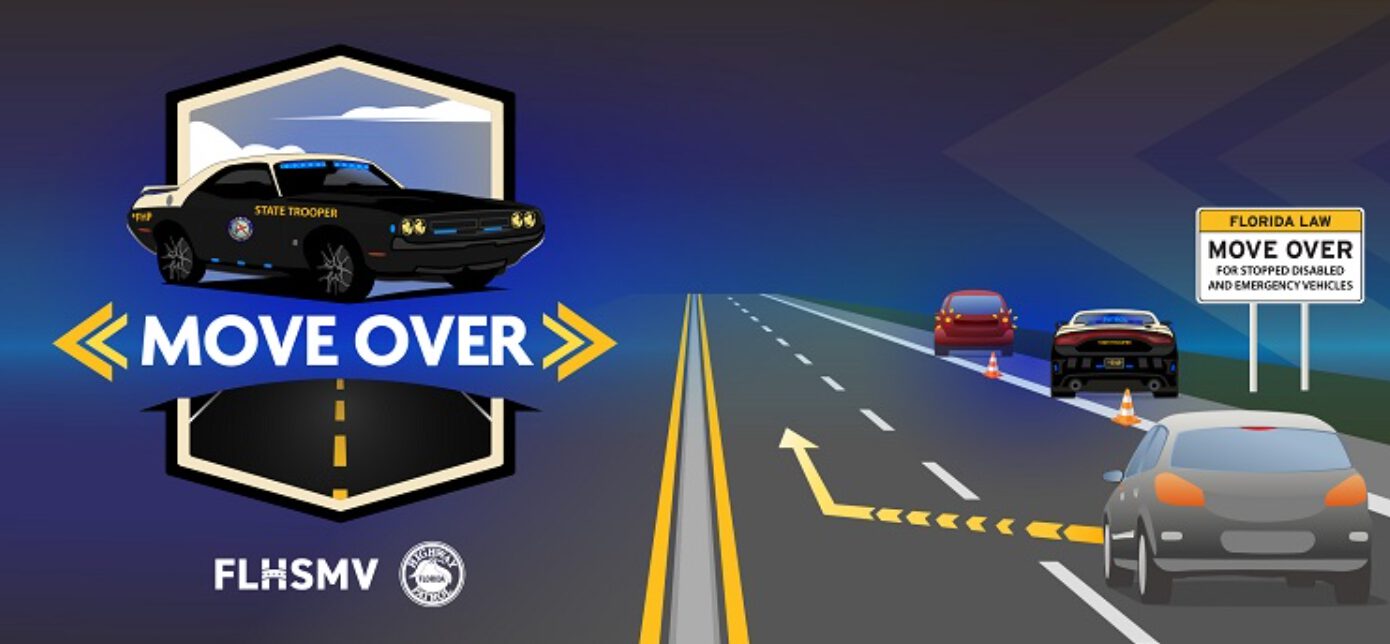
The Move Over Law (Statute 316.126) expanded beyond ambulances and fire trucks. You must change lanes or reduce speed by 10 mph when approaching any stationary vehicle with hazard lights—emergency responders, utility trucks, tow trucks, or disabled cars. Violations bring fines up to $158 plus three points on your license.
School Bus Cameras Don’t Forgive
Those flashing red lights mean everyone stops, not just the car behind the bus.
On undivided roads, all traffic in both directions must stop when school buses extend their stop arms and activate flashing lights (Statute 316.172). Camera enforcement makes this expensive to ignore: four points and $200+ fines arrive by mail weeks later.
Hazard Lights Aren’t for Light Rain
Your emergency flashers confuse other drivers more than they help.
Statute 316.2397 prohibits hazard light use during normal driving conditions. That includes routine Florida downpours. Reserve them for actual hazards or extreme low visibility situations—using them for every sprinkle creates signal confusion and earns citations.
Backseat Passengers Need Belts Too
Age matters more than seat position for Florida’s belt laws.
Statute 316.614 mandates seat belts for all passengers under 18, regardless of where they sit. Front seat occupants need belts regardless of age. This catches families off guard during carpools and vacation trips when kids pile into backseats unbuckled.
Don’t Block What You Can’t Clear
Miami gridlock doesn’t excuse intersection blocking.
You cannot enter an intersection unless clear exit space exists (Statute 316.123). Common during urban rush hour in Miami, Orlando, and Tampa, this violation occurs when drivers creep into intersections during heavy traffic, blocking cross-street movement and earning fines plus points.
The financial sting goes beyond initial fines. Points persist for three to five years, driving up insurance premiums while violations stack toward the 12-point license suspension threshold. Florida’s evolving traffic violations enforcement means yesterday’s acceptable driving habits might be tomorrow’s expensive tickets.