Spring reveals car damage worse than your social media memories from 2019. You survived another brutal winter, dodging potholes like a video game, only to discover expensive surprises lurking beneath your used car’s surface. Winter creates these problems silently, but spring exposes them with alarming clarity and costly repair estimates.
Salt Damage Strikes Where You Can’t See It
Road salt accelerates hidden corrosion on critical undercarriage components throughout winter.
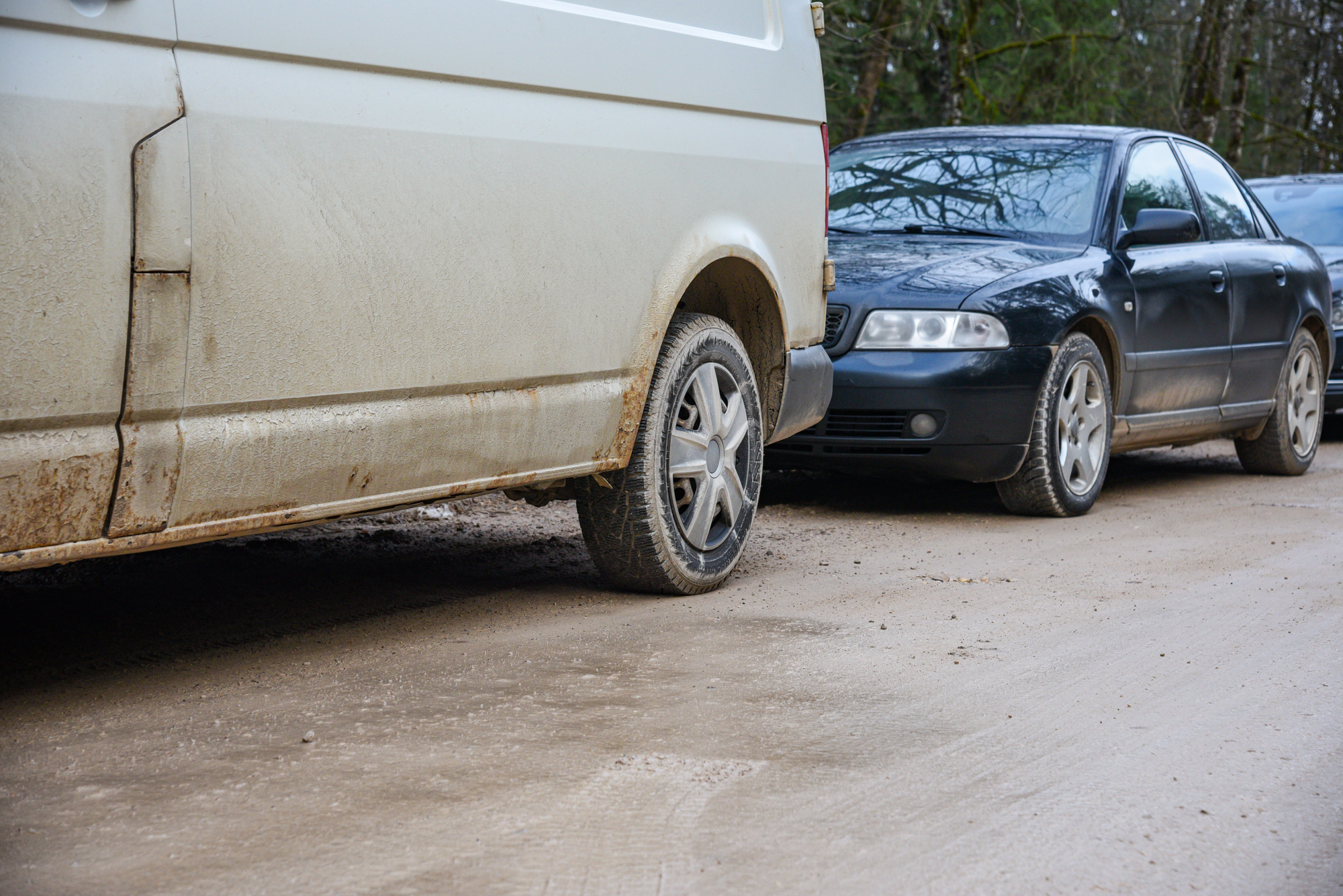
Under your car’s surface, road salt wages chemical warfare against metal components. “Salt damage is easy to miss because it happens underneath the vehicle,” according to AAA’s Adrienne Woodland. Frames, suspension parts, brake lines, and exhaust systems suffer accelerated rust—especially dangerous since older used cars already have weakened protective coatings. Spring warmth reveals the carnage through bubbling paint and flaking metal that screams expensive repair bills.
Potholes Leave Lasting Steering Damage
Freeze-thaw cycles create road craters that bend suspension components and cause alignment issues.
Those potholes you couldn’t avoid? They bent more than your patience. Control arms, tie rods, and ball joints take punishment from winter’s road destruction, manifesting as steering vibrations, pulling, or concerning clunks when you finally reach smooth pavement. What felt like minor jolts during winter drives often translate to three-figure suspension repairs once proper diagnosis reveals the damage.
Cold Weather Kills Already-Weak Batteries
Sub-freezing temperatures reduce battery capacity by half and stress electrical systems.
Winter cold reduces battery capacity by up to 50% while thickening oil makes starting harder. Used cars with marginal batteries barely survive the season, then fail spectacularly during spring’s first warm week. Slow cranking, dim lights, and terminal corrosion signal expensive replacement needs right when you thought winter expenses ended.
Brake Systems Suffer From Salt and Moisture
Winter conditions corrode brake components and compromise stopping safety.
Salt, slush, and moisture attack brake rotors, calipers, and lines throughout winter. Spring reveals pitted rotors, seized caliper pins, and corroded brake lines that produce grinding sounds, pedal pulsation, or dragging wheels. Since stopping safely matters more than anything else, brake problems demand immediate attention regardless of cost. Brake repairs often surprise used car owners with both urgency and expense.
The damage winter inflicts often stays hidden until spring driving reveals the truth. Schedule a thorough undercarriage inspection within the first month of spring driving—your used car’s survival depends on catching these problems before they multiply your repair bills.