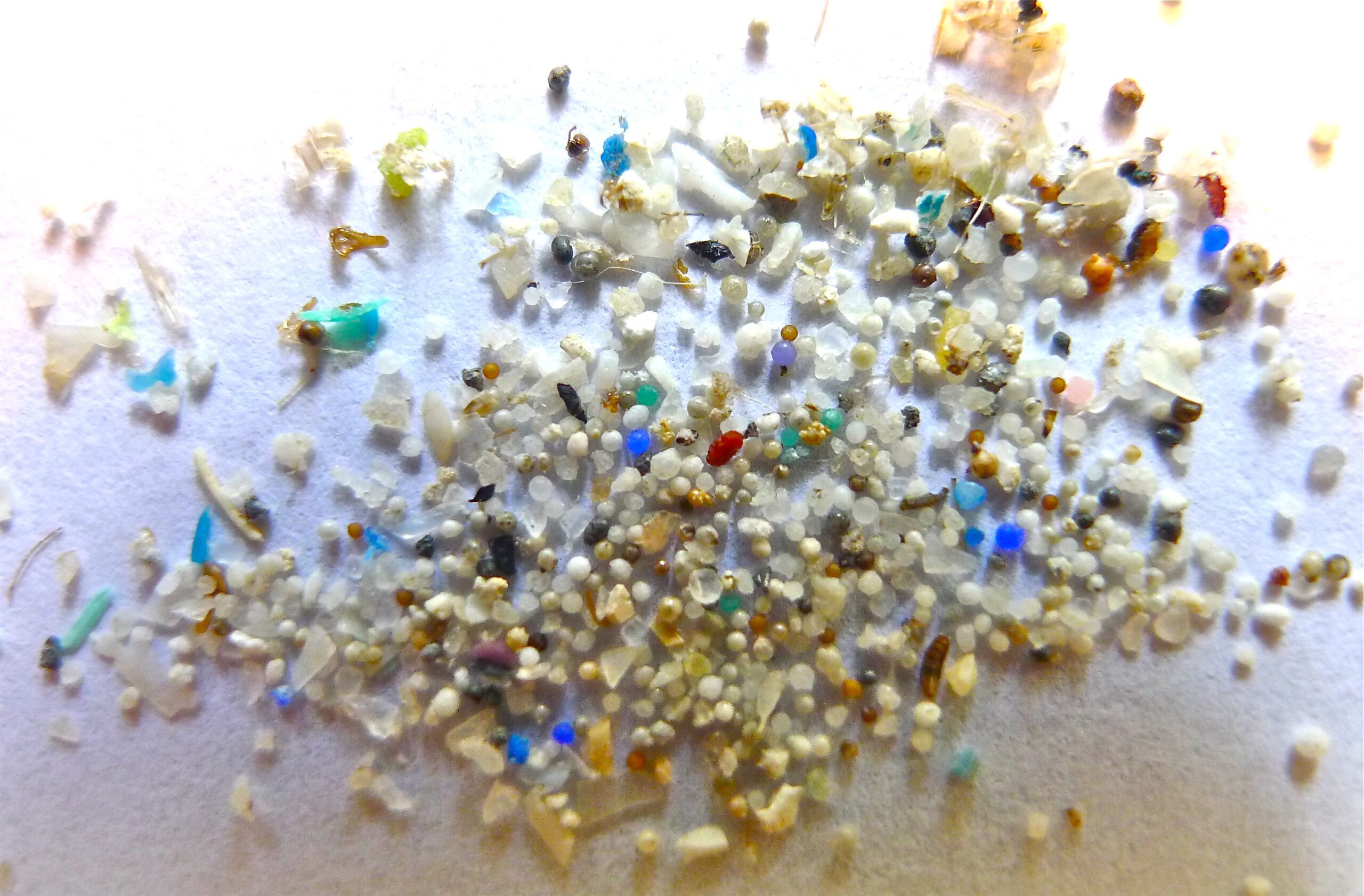
Microplastics in human brain tissue have increased 50% in less than a decade. Human blood carries plastic fragments. Unborn children have microplastics in their placental tissue. Meanwhile, government agencies told Warrington, Virginia residents they wouldn’t fund remediation for local PFAS and microplastic contamination.
Eighteen-year-old Mia Heller decided to solve it herself. After watching her mother constantly replace expensive water filter membranes—a labor-intensive cycle that defines the residential filtration market—Heller engineered a membraneless system using ferrofluid that removes 95.52% of microplastics while recycling 87.15% of its magnetic filtration medium.
Magnetic Innovation Beats Traditional Filters
Ferrofluid technology eliminates membrane replacements that plague conventional systems.
Heller’s prototype works like a magnetic personality test for water contaminants—except instead of categorizing Netflix preferences, it separates deadly plastic particles from drinking water. The system uses ferrofluid (reusable magnetic oil) that binds to microplastics as water flows through three integrated modules roughly the size of a flour bag.
Unlike traditional membrane filters requiring constant replacement, this closed-loop system recycles its own filtration medium. After five prototype iterations, Heller solved the core engineering challenge: optimal ferrofluid placement that prevents clogging while enabling magnetic separation. Performance testing confirmed effective removal of PET particles with statistical significance.
Health Emergency Demands Practical Solutions
University toxicologist validates student’s approach to contamination affecting 1,300 species.
Matthew J. Campen, University of New Mexico toxicologist, calls Heller’s system “a really great idea” and notes “she is doing something that has to be done.” The urgency is justified: microplastics now contaminate everything from the Mariana Trench to Mount Everest, with 10-40 million metric tons released annually.
Consumers face plastic fragments linked to cancer, cardiovascular disease, hormonal disruption, and neurological conditions. Traditional water treatment plants remove 70-90% of microplastics—making Heller’s 95.52% removal rate competitive or superior. Her Regeneron International Science and Engineering Fair recognition and $500 Patent Office Society award validate the innovation’s significance.
Market Disruption Faces Scalability Hurdles
Commercial potential exists despite ferrofluid production cost constraints for industrial deployment.
Heller targets residential deployment rather than municipal systems, acknowledging ferrofluid remains expensive at large scale. However, the technology addresses a genuine market gap where current solutions rely on costly, maintenance-intensive membrane systems.
If ferrofluid production costs decrease, this could disrupt the residential filtration market dominated by cartridge-based systems. Heller intends to “eventually bring it out to market” while continuing validation at the college level. The question isn’t whether microplastic filtration technology will succeed—it’s whether student-led innovation will beat established manufacturers to the solution families need.