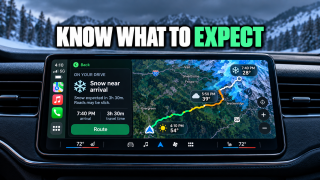
Black ice doesn’t announce itself with warning signs or helpful notifications. One moment you’re confidently cruising to work, the next you’re sliding toward that guardrail wondering why your “all-season” tires feel like hockey pucks on ice. The 7-7 rule eliminates this terrifying gamble: switch to winter tires after seven consecutive days at or below 45°F (7°C), then switch back after seven days above that threshold.
Your Tires Are Lying About Cold Weather Performance
All-season rubber hardens below 45°F, losing grip even on dry pavement.
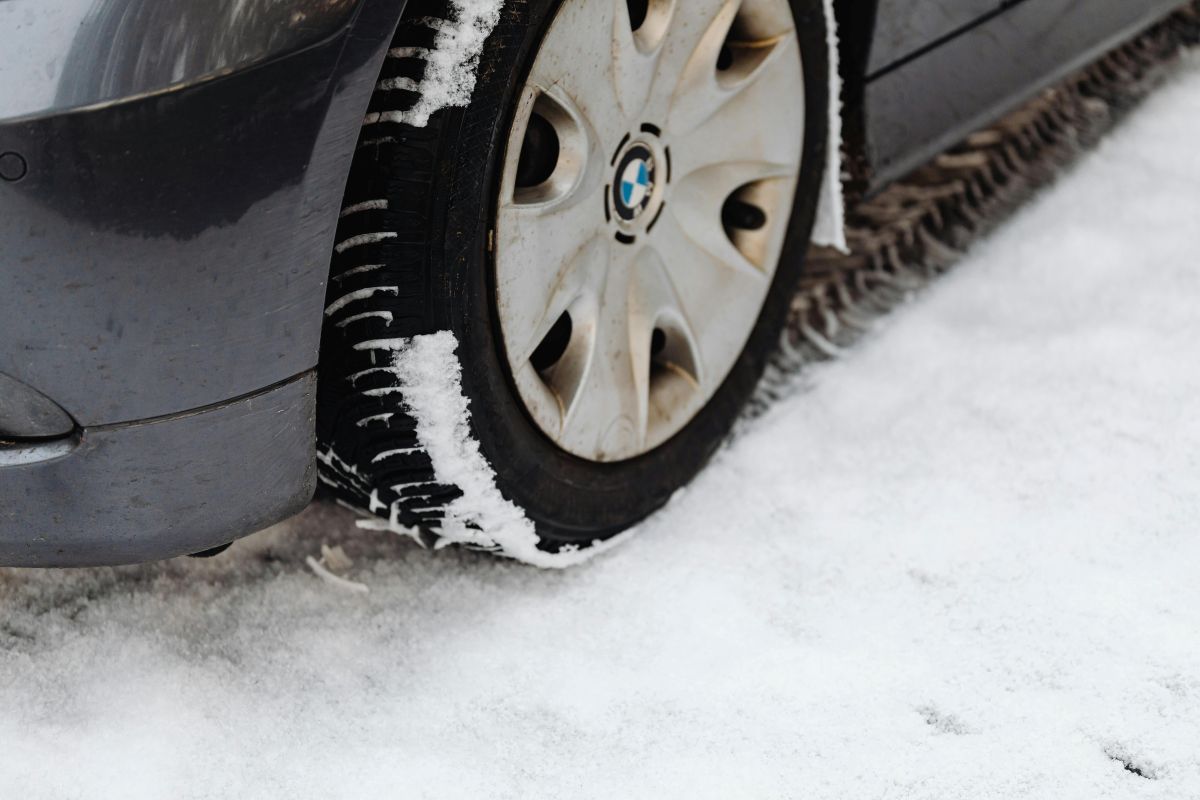
The chemistry is brutal and simple. All-season tires contain compounds that stiffen when temperatures drop below 45°F, according to Performance Plus Tire. Your treads literally become less flexible, reducing contact with the road surface. Winter tires use softer compounds that stay pliable in cold conditions.
The difference isn’t academic—MotorTrend testing showed winter tires can shorten stopping distances by up to 23 feet compared to all-season tires in cold conditions. That’s nearly two car lengths of extra safety when you need it most.
Temperature Trumps Snowfall Every Time
Monitor daily averages for seven days, not weather app snow icons.
Forget watching for the first flakes like you’re tracking pumpkin spice latte season. The 7-7 rule operates on sustained temperature patterns, not precipitation. CAA recommends switching when daily averages stay at or below 45°F for a full week.
The reverse applies in spring—seven consecutive days above 45°F signals time to remove winter tires before their soft rubber starts wearing prematurely on warm, dry roads.
The All-Season Marketing Myth
“All-season” doesn’t mean optimal for any season, especially winter.
All-season tires represent automotive compromise, not automotive excellence. They perform adequately in mild conditions but underperform dramatically when temperatures plummet. Winter tires marked with the Three-Peak Mountain Snowflake symbol have passed specific cold-weather testing standards.
The upfront cost stings, but some regions offer insurance discounts for winter tire usage—Quebec even mandates them seasonally.
Making the Switch Work
Book early and monitor pressure religiously for optimal performance.
Your weather app becomes your safety consultant. Track temperature trends rather than daily fluctuations, and book tire changes before the autumn rush hits service centers. Winter tires lose pressure faster in cold weather, so check monthly.
The investment protects more than your vehicle—it protects your ability to get home safely when winter decides to arrive seven days early.