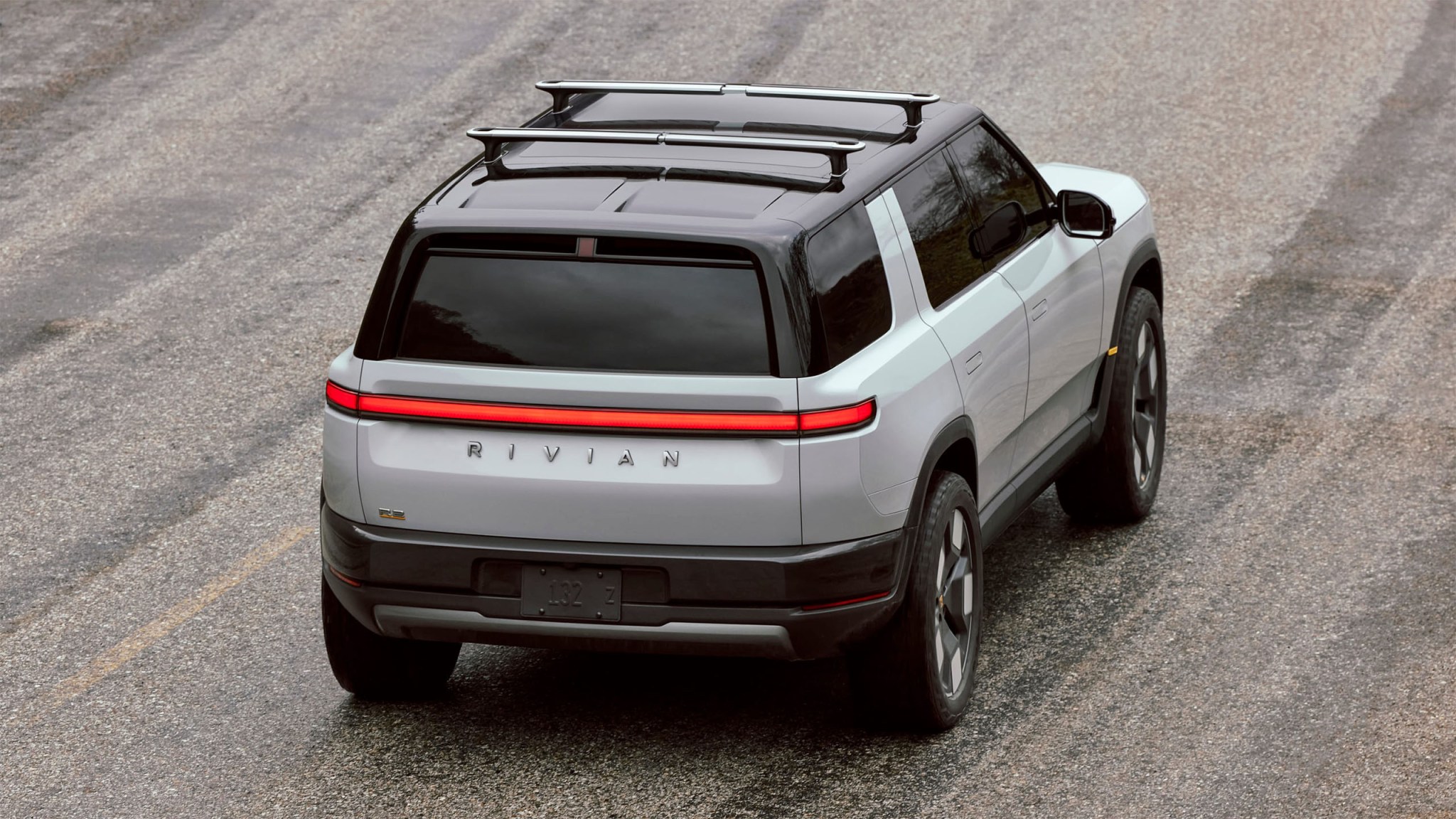
Your future rideshare just got a massive upgrade. Uber announced a partnership to deploy up to 50,000 fully autonomous Rivian R2 SUVs through 2031, marking the ride-hailing giant’s biggest autonomous vehicle commitment yet. The $1.25 billion investment starts with $300 million after regulatory approval, scaling as Rivian hits self-driving milestones.
The timeline reads like science fiction made real: 10,000 robotaxis launching in San Francisco and Miami by 2028, expanding to 25 cities across the US, Canada, and Europe. These aren’t retrofitted consumer vehicles—Rivian’s R2 comes purpose-built for autonomy with 300+ mile range, dual-motor AWD, and hardware ready for Level 4 “eyes-off” driving. Think of it as the difference between streaming on your laptop versus buying a dedicated smart TV.
Vertical Integration Becomes Uber’s Secret Weapon
Rivian’s control over design, manufacturing, and software gives Uber confidence in ambitious deployment targets.
Uber CEO Dara Khosrowshahi praised Rivian’s vertical integration approach, noting their control over “design, compute, software, and US manufacturing.” This matters because most robotaxi partnerships involve retrofitting existing vehicles—a complex process that’s plagued competitors. Rivian builds autonomy into the R2 from day one, potentially avoiding the technical headaches that have slowed Waymo’s expansion beyond their current 3,000-vehicle fleet.
Reality Check on the Robotaxi Revolution
Multiple partnerships and regulatory hurdles suggest Uber’s hedging bets rather than going all-in.
Before planning your first autonomous commute, consider Uber’s broader strategy. The company has similar deals with Waymo, Lucid, Waabi, and others—essentially backing every horse in the robotaxi race. Recent NHTSA probes into Waymo incidents and Consumer Watchdog’s criticism of liability frameworks show regulatory approval isn’t guaranteed. Rivian’s stock jumped 10% on the news, but actual deployment faces years of testing and approval processes.
Your ride costs could drop significantly once these vehicles hit the road—no human driver means lower operational expenses. But 2028 remains the earliest timeline for limited markets, with full deployment stretching into the 2030s. The autonomous future is coming, just slower than the press releases suggest.