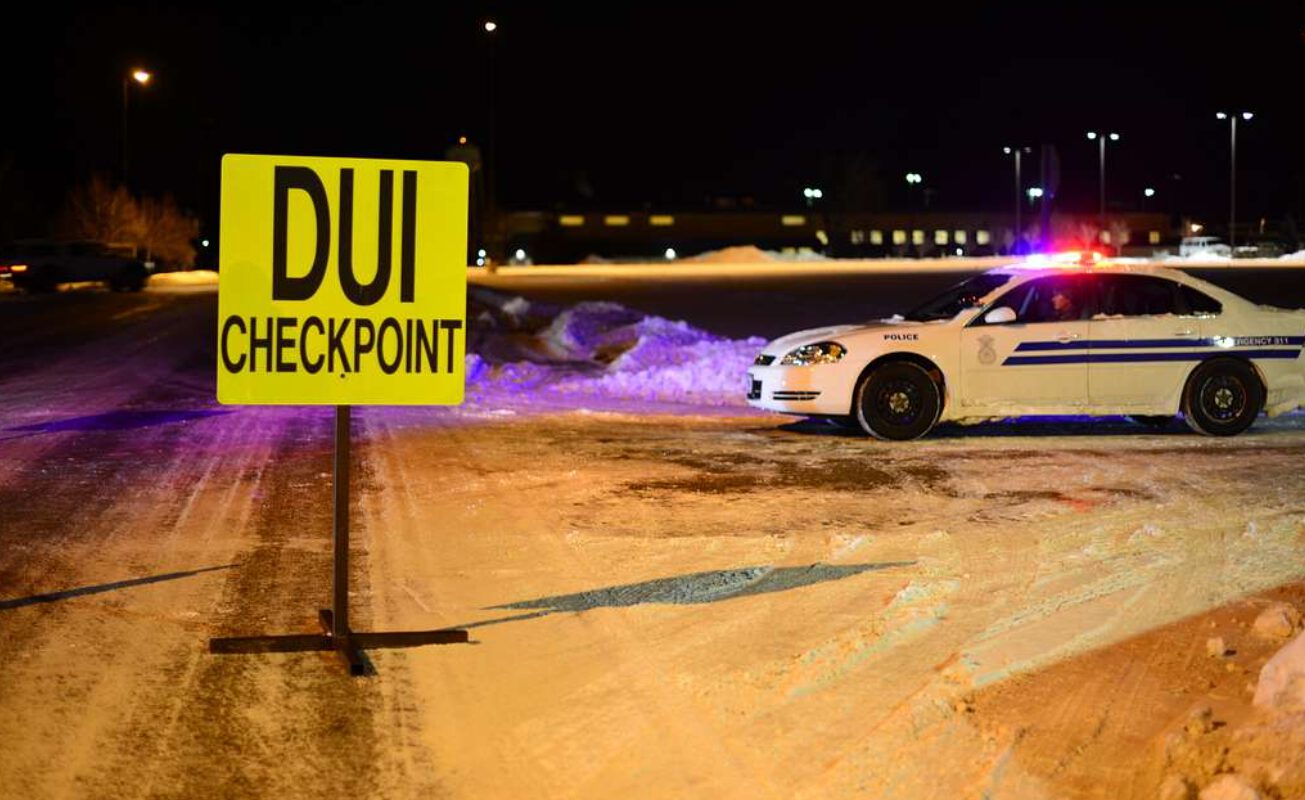
That sinking feeling when blue lights flash in your rearview mirror hits differently at night. Your heart races faster, your hands shake more, and suddenly every movement feels loaded with potential danger. Night traffic stops aren’t just regular stops with worse lighting—they’re fundamentally different encounters where split-second decisions determine whether you drive away with a warning or find yourself in an escalating nightmare.
Officers can’t see your hands, your intentions, or whether you’re reaching for registration or something else entirely. The “Wall of Light” technique they use—high beams, spotlights, and tactical positioning—isn’t intimidation theater. It’s their attempt to see what you’re doing in a situation where darkness makes everyone vulnerable.
Never Leave Your Location to Chance
Where you pull over sets the tone for the entire encounter and your safety.
Don’t slam the brakes at the first sight of flashing lights. If you’re on a dark highway shoulder or poorly lit side street, signal your awareness with hazard lights and drive slowly to the nearest well-lit area—gas station, parking lot, or street with decent illumination. Officers understand this isn’t defiance; it’s smart phone safety protocol.
That extra minute finding proper lighting protects both of you from passing traffic and gives the officer clear sightlines. Law enforcement training materials emphasize that drivers who choose safe, visible locations immediately signal cooperation and situational awareness.
Never Keep Your Hands Hidden
Invisible hands trigger defensive responses that can spiral quickly.
The moment you stop, flip on your interior dome light and place both hands on the steering wheel at 10 and 2. This isn’t submission—it’s communication. In darkness, officers can’t distinguish between reaching for your wallet and reaching for something dangerous. Your hands tell the story your words can’t in those crucial first seconds.
Keep them visible until instructed otherwise. When you need documents, announce your movements: “My registration is in the glove compartment. May I reach for it?” This simple courtesy prevents tragic misunderstandings that happen when darkness masks intention.
Never Exit Unless Commanded
Staying in your vehicle maintains predictable boundaries that keep encounters controlled.
Hollywood got it wrong. Real traffic stops happen inside your car, not standing on the roadside having philosophical discussions about speed limits. Officers expect you to remain seated with your seatbelt on unless specifically directed otherwise. Getting out uninvited immediately escalates the situation because it changes the tactical dynamics.
Lower your window just enough for conversation—not wide enough to seem like you’re planning something. This controlled interaction keeps everyone in their defined roles and reduces the variables that make night stops dangerous.
Never Let Your Attitude Escalate the Situation
Your communication style can transform a routine stop into a memorable disaster.
Your attitude determines whether this ends with a handshake or handcuffs. Stay calm, speak respectfully, and resist the urge to debate traffic law at 11 PM on a dark highway. Save the Perry Mason routine for daylight hours when tensions run lower and communication flows easier.
These simple actions—proper lighting, visible hands, staying seated, and calm communication—dramatically improve your odds of driving away quickly and safely. Remember, you control how these encounters unfold. Choose visibility, choose cooperation, and choose to make it home without drama.