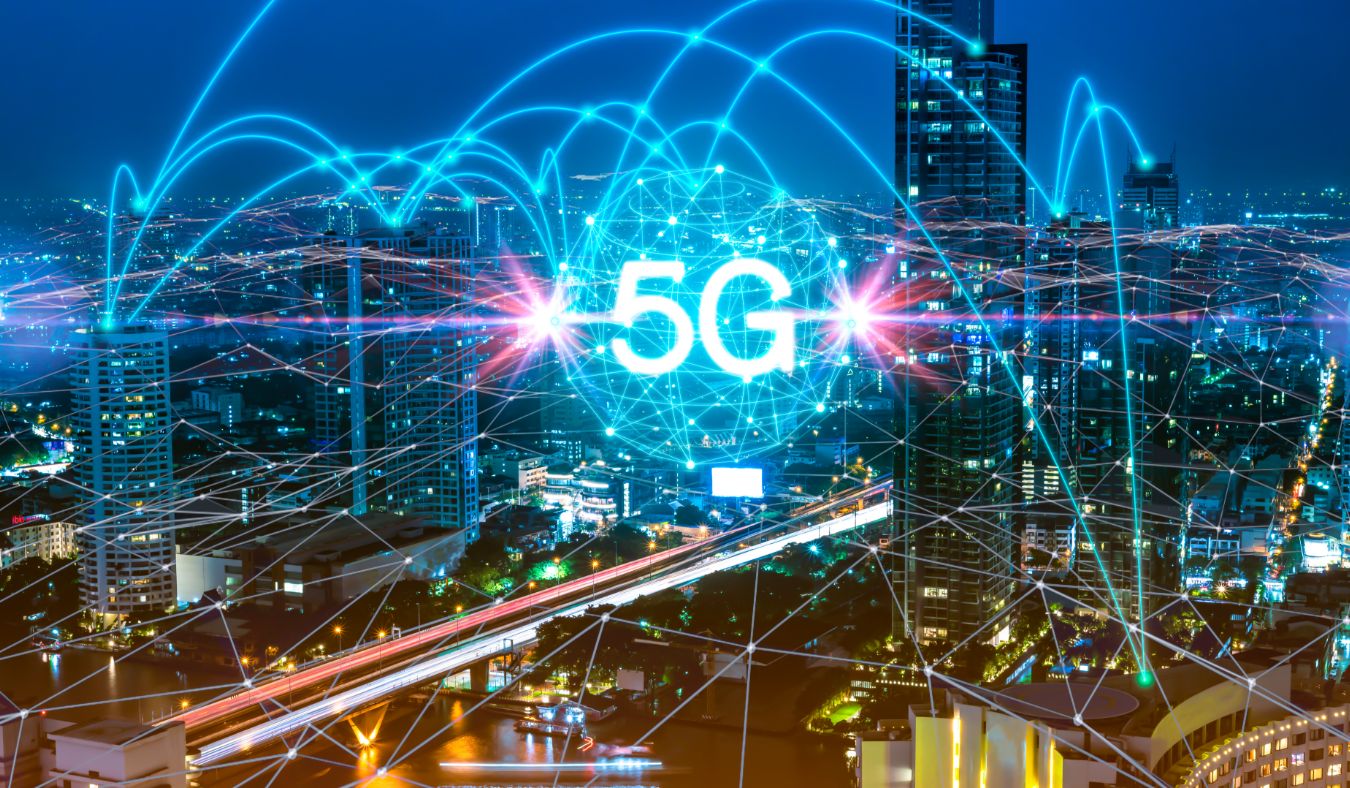
5G marketing promises fiber-like speeds everywhere, but your phone’s signal bars tell a different story. Three years into mainstream deployment, the gap between carrier billboards and basement-level reception remains stubbornly wide. Most Americans harbor serious misconceptions about what 5G actually delivers—and more importantly, what it costs.
Coverage Isn’t Actually “Nationwide”
Those colorful coverage maps hide some inconvenient geography.
When carriers trumpet “nationwide 5G,” they’re technically correct and practically misleading. You’re likely connected to low-band 5G that delivers speeds barely faster than 4G LTE. True high-speed 5G—the kind that downloads movies in seconds—exists primarily in dense urban cores.
Drive twenty minutes outside any major city and watch those blazing speeds evaporate. Rural areas remain largely stuck with the same connectivity they’ve had for years, despite paying premium prices for “5G” plans.
Your “Unlimited” Data Has Very Real Limits
Network prioritization policies kick in when you need speed most.
Every major carrier implements network prioritization after you hit monthly thresholds—typically 20-100GB. Translation: your connection gets relegated to the slow lane during peak hours, precisely when everyone else is streaming dinner-time Netflix.
This isn’t throttling in the traditional sense, but the practical effect feels identical. Your evening video calls stutter while your neighbor’s basic plan cruises along unimpeded.
Home Internet Replacement Remains a Fantasy
Real-world 5G speeds can’t match fiber’s consistency.
5G home internet typically delivers 50-300 Mbps with significant variability based on network congestion. Meanwhile, fiber connections provide gigabit symmetrical speeds with 99.9% reliability. For households juggling multiple video calls, cloud gaming, or large file transfers, this performance gap matters enormously.
Customer satisfaction scores reflect this reality: T-Mobile’s 5G Home Internet scored 78 in 2025, Verizon hit 77—both trailing traditional fiber-based alternatives.
Conspiracy Theories Miss the Real Issues
Focus on affordability, not fabricated health scares.
5G networks operate on the same fundamental principles as previous wireless generations. They cannot transmit viruses, control minds, or perform the exotic capabilities attributed to them in conspiracy circles. The FCC maintains strict safety standards backed by decades of scientific research.
The legitimate concern isn’t imaginary health risks—it’s economic accessibility. Over half of Americans prioritize price when selecting mobile service, yet premium 5G plans can place next-generation connectivity beyond reach for lower-income households.
Eric Bruno from Optimum notes that “affordability, device and plan flexibility, and quality in a consumer’s mobile service is paramount today.” Smart consumers recognize that bundled services—combining mobile, internet, and TV—often provide better value than chasing theoretical internet speed records.
5G’s future will be judged not by technical benchmarks, but by whether it delivers practical benefits at reasonable prices. For now, that remains an unfinished promise.