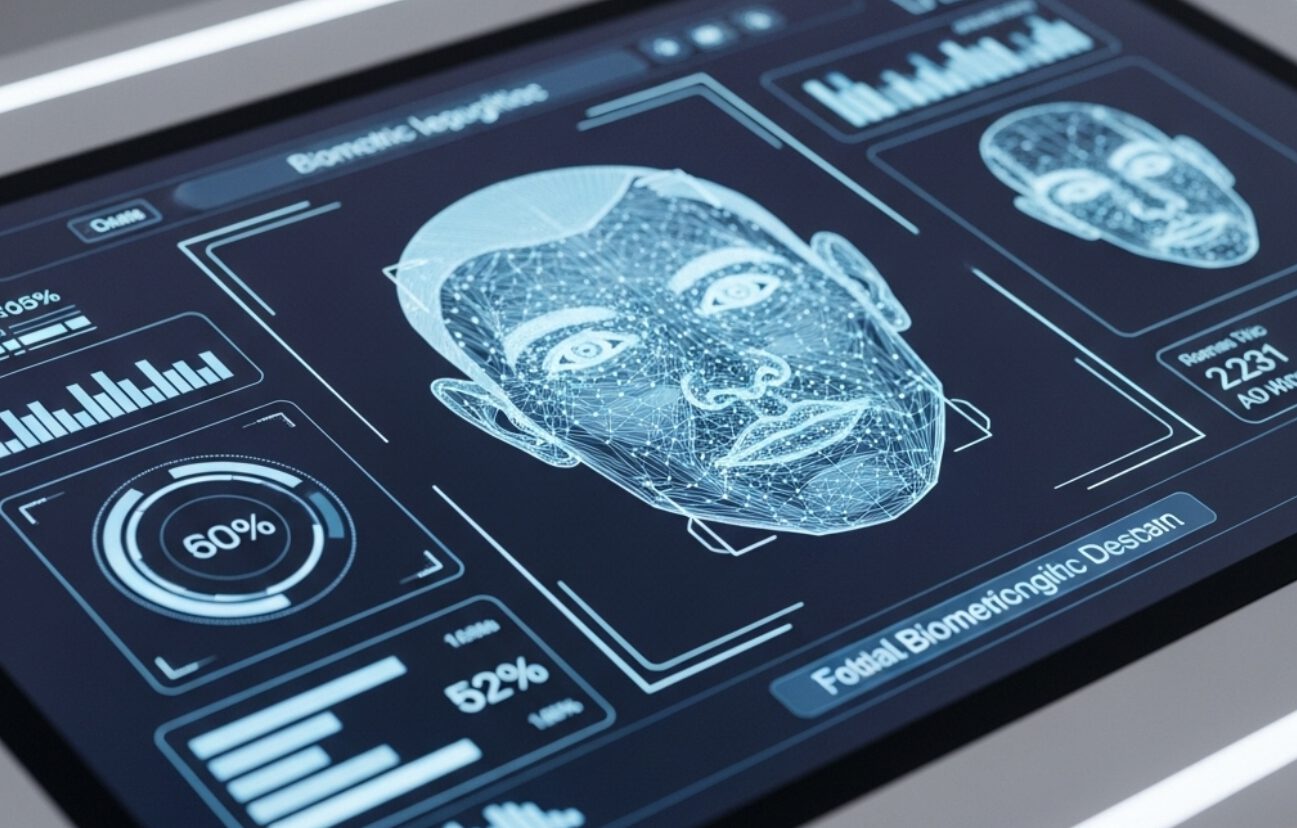
Deepfake videos of celebrities hawking crypto scams flood social media feeds daily, yet consumers can’t tell which AI-generated content is real anymore. The UK government announced March 18, 2026, plans to examine mandatory labelling requirements for AI-generated content, aiming to protect consumers from disinformation and deepfakes while supporting creators through broader copyright reforms.
Policy Reversal Signals Tougher Stance
Technology Minister Liz Kendall emphasized balancing creative industry protection with AI innovation, but notably abandoned the UK’s previous preference for broad copyright exceptions allowing AI training on lawfully accessed material. This shift came after extensive consultations with creative organizations, AI firms, unions, and academics—signaling the government heard creator concerns loud and clear. Popular AI art apps and content generation tools may soon face stricter training restrictions alongside labelling requirements.
Technical Challenge Meets Consumer Reality
Currently, no UK law mandates AI content labelling, leaving consumers to guess whether viral videos feature real footage or algorithmic wizardry. A House of Commons Library report discusses potential methods ranging from visible disclaimers to machine-readable watermarks embedded in files. The technical challenges acknowledged in prior copyright-AI consultations suggest implementation won’t be straightforward—especially when platforms like Instagram and TikTok already struggle with content moderation at scale.
Stakes Rise for UK’s AI Powerhouse
The UK’s AI sector grows 23 times faster than the broader economy, positioning it third globally after the US and China, according to Reuters. This explosive growth means regulatory decisions here influence consumer AI tools worldwide. Legal expert Louise Popple from Taylor Wessing notes the government’s subtle approach shift: “That’s a subtle difference of approach and could be interpreted to mean that everything is still up for grabs.” Translation: AI-powered gadgets and apps may face unpredictable compliance costs.
The government must publish two AI-copyright reports by March 18, 2026, per the Data (Use and Access) Act 2025. Expect clearer guidance then on how labelling requirements will transform daily encounters with AI-generated content—from social media feeds to marketing materials.