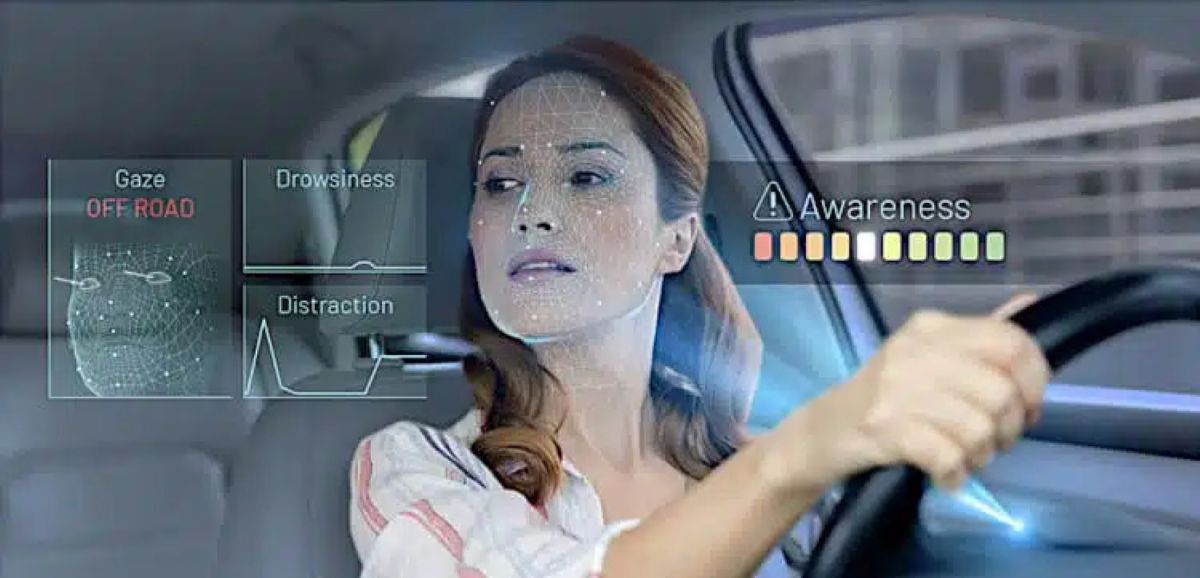
Navigation apps love steering you past that one Starbucks. You know the route—the one that adds three minutes but somehow becomes your “fastest” option during morning rush hour. That detour might feel suspicious, but here’s what you probably don’t realize: your car is already equipped to track exactly where your eyes wander during that extended drive.
The Eye-Tracking Tech Hiding in Plain Sight
Modern vehicles pack infrared cameras that monitor your gaze with military precision.
SmartEye Pro, Eyeware GazeSense, and Tobii systems use infrared cameras for real-time gaze tracking, originally designed for drowsiness detection and distraction alerts. These aren’t your laptop’s crude webcams—they track fixations on billboards, dashboards, and external objects with accuracy below 2 degrees.
Research shows gaze patterns vary dramatically by environment, narrower on highways at night but broader in urban areas where drivers scan for hazards. Your car essentially knows whether you noticed that McDonald’s billboard better than you do.
From Safety Feature to Revenue Stream
The leap from monitoring alertness to monetizing attention requires just a software update.
No verified evidence exists of current navigation systems using gaze data for advertising, but the technical capability is undeniable. While these systems prioritize traffic and fuel efficiency today, they already suggest POIs through manufacturer partnerships.
The precision to track billboard glances exists—studies confirm drivers’ visual attention can be mapped to specific roadside elements. According to researchers, “gaze is highly situational and context-dependent,” meaning your attention patterns reveal valuable demographic and behavioral data. Like targeted Instagram ads but for your morning commute, except you’re trapped in a moving vehicle.
Taking Back Control
Privacy settings exist, but regulatory requirements limit your options.
- Check your vehicle’s “Driver Assistance” or “Privacy” menus to disable certain monitoring features, though some systems remain mandatory for regulatory compliance under EU mandates
- User forums suggest physical camera covers as workarounds, but their effectiveness for blocking potential ad-tracking remains unverified
Details remain unclear about how extensively automakers could monetize this data without explicit consent—a concerning gap given how precisely these systems track your visual behavior.
Your car has evolved from transportation into a data-collection platform that knows your attention better than you do. The question isn’t whether this technology exists—it’s whether you’ll notice when the “safety” cameras start optimizing for profit instead.