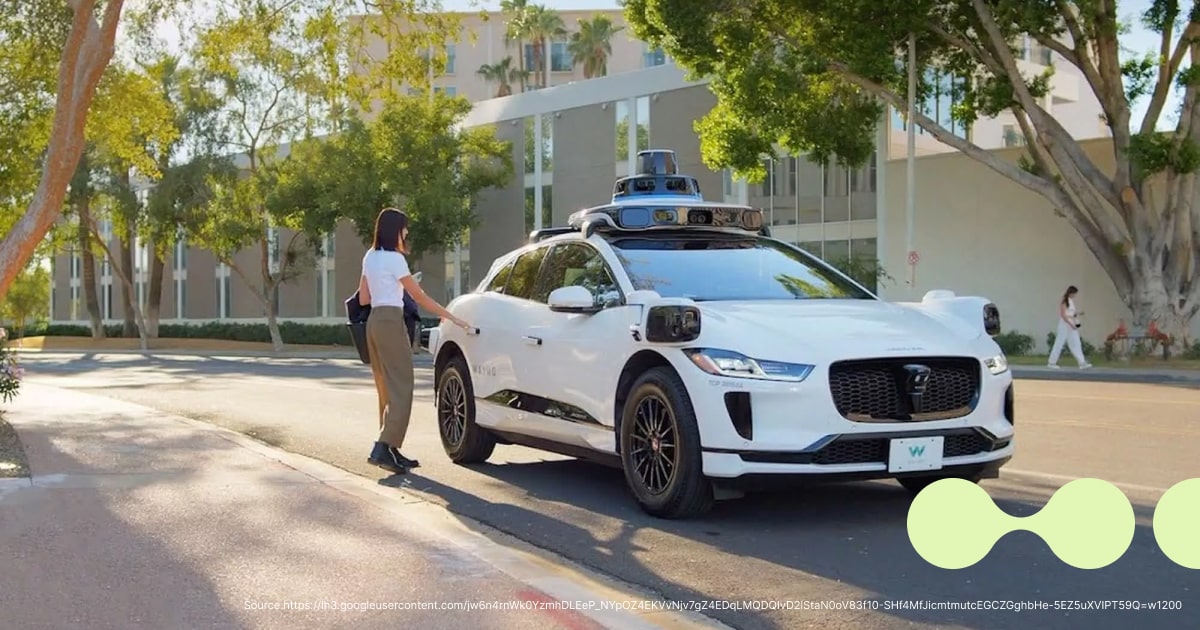
Europe’s robotaxi ambitions just gained Silicon Valley’s most advanced AI platform. NVIDIA and Bolt announced their partnership at GTC 2026, combining the chip giant’s autonomous driving tech with Bolt’s massive European fleet data. Think of it as Europe’s answer to the global robotaxi arms race—where China pours billions into self-driving cars while American companies test on wide, predictable highways.
Silicon Valley AI Meets European Streets
NVIDIA’s full-stack autonomous vehicle technology gets real-world European data to train smarter self-driving systems.
Bolt gets access to NVIDIA’s complete AI arsenal: Cosmos for processing driving data, Omniverse for creating digital twins of European streets, and Alpamayo for reasoning-based autonomy that can handle Prague’s medieval alleys or Amsterdam’s bike-heavy intersections. The Drive Hyperion platform ties it all together, creating what NVIDIA calls a “learning engine” that improves with every ride.
Building on Bolt’s Autonomous Foundation
The NVIDIA deal strengthens Bolt’s existing partnerships with Pony.ai and Stellantis as the company targets massive fleet expansion.
Navigating European roads requires different AI than Phoenix highways—something Bolt learned through recent partnerships with Chinese AV company Pony.ai and automaker Stellantis. Those deals set up Level 4 testing starting in 2026, but the NVIDIA collaboration provides the computational backbone for scaling beyond trials.
Bolt CEO Markus Villig wants 100,000 autonomous vehicles on the platform by 2035, transforming a company that generated €2 billion in revenue last year from traditional rideshare into Europe’s robotaxi leader.
Europe’s Catch-Up Strategy Takes Shape
The partnership addresses European concerns about falling behind China and the US in autonomous vehicles investment and development.
Philippe Van Den Berge, NVIDIA’s EMEA Automotive VP, positioned the deal as essential for European competitiveness: “Autonomous vehicles require a full-stack approach… we’re enabling a scalable foundation for safe, high-performance autonomous mobility services designed for the complexity and diversity of European roads.”
The collaboration includes GDPR-compliant data sharing and open-source access for European universities and SMEs—addressing regulatory concerns while building local AI expertise.
Timeline for European Robotaxi Reality
Trials begin in 2026 with broader deployment dependent on regulatory approval and technology validation.
No specific launch date exists for NVIDIA-powered Bolt robotaxis, but the pieces align for European trials throughout 2026. Success depends on navigating complex EU regulations—something Bolt’s 50-person lobbying team actively influences.
Your next Bolt ride probably won’t drive itself for several years, but this partnership represents Europe’s most serious attempt to compete in the global robotaxi revolution.