While Chinese scientists achieve breakthrough battery technology delivering 1,000-kilometer range, the U.S. doubles down on tariffs and regulatory battles. Your next EV purchase hangs in the balance of this technological cold war.
Lab Breakthrough Meets Real-World Impact
Chinese Researchers Shatter Energy Density Barriers
Fluorinated electrolyte system delivers 700+ Wh/kg performance that could eliminate range anxiety forever.
Chen Jun’s team at Nankai University just published results in Nature that read like science fiction. Their fluorinated electrolyte battery hits over 700 Wh/kg energy density at room temperature—and maintains 400 Wh/kg at -50°C. “Energy density and low-temperature performance are the biggest bottlenecks,” Chen explains, describing how replacing oxygen with fluorine atoms creates superior ion conductivity. Your winter driving range just got a massive boost.
Production Reality Arrives in 2026
Mass Production Timeline Targets End-2026 Launch
FAW Hongqi partnership moves from lab bench to assembly line with 500+ Wh/kg batteries.
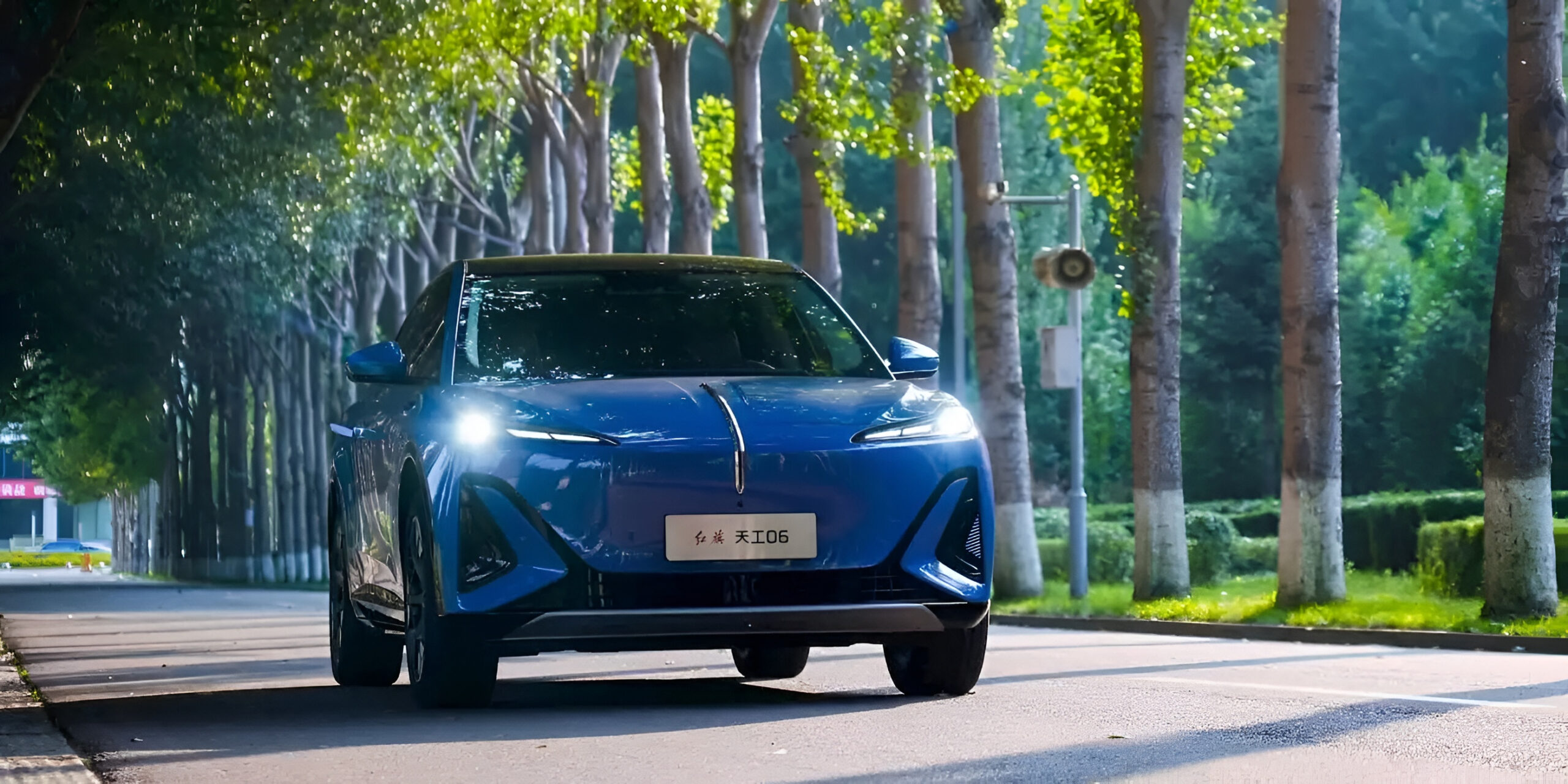
This isn’t empty promises. Chen’s collaboration with FAW Group’s Hongqi brand and China Automotive New Energy Battery Technology Co. developed a production-ready lithium-rich manganese battery exceeding 500 Wh/kg. Lu Tianjun, the company’s general manager, confirms “conservatively, its performance would mean an improvement of about 50 percent” over current technology. Vehicles with 1,000-kilometer CLTC range (roughly 620 miles EPA) enter mass production by year’s end.
America’s Counter-Strategy: Lawyers Over Engineers
U.S. Response Prioritizes Tariffs and EPA Battles
25% import duties raise your EV costs 15% while offering shorter ranges than Chinese alternatives.
Instead of matching China’s R&D investments, America relies on regulatory measures. The 25% tariffs on Chinese batteries inflate U.S. EV costs by 15%—while delivering inferior range. Congressional moves to roll back EPA greenhouse gas authority and challenges to California’s 2035 ZEV mandate create regulatory chaos. You’re paying more for less, watching Chinese innovation from the sidelines of legal proceedings.
Market Dominance Accelerates Innovation Cycles
CATL and BYD Command Global Battery Leadership
Combined 55% market share fuels rapid lab-to-production timelines that leave competitors scrambling.
China’s battery giants CATL and BYD don’t just dominate with over 55% global market share—they’ve perfected innovation-to-production cycles. Dongfeng plans 2026 solid-state EV launches with 350 Wh/kg packs, 1,200V ultra-fast charging, and 72% capacity retention at -30°C. China’s national solid-state battery standards take effect in 2026, targeting 400-500 Wh/kg performance across manufacturers.
Your 2026 EV shopping decision boils down to this: Chinese technology offering 1,000-kilometer range at competitive prices, or American alternatives hampered by regulatory battles and inflated by protectionist tariffs. The cold war’s winner drives home first.