Your next car purchase comes with an unwelcome passenger: a federal mandate requiring surveillance technology that monitors your every blink, glance, and head nod. Thanks to Section 24220 of the 2021 Infrastructure Investment and Jobs Act, NHTSA must finalize rules forcing all new passenger vehicles to include “advanced impaired driving prevention technology”—essentially turning your dashboard into a judgment-free zone that’s anything but judgment-free.
The Technology That’s Watching
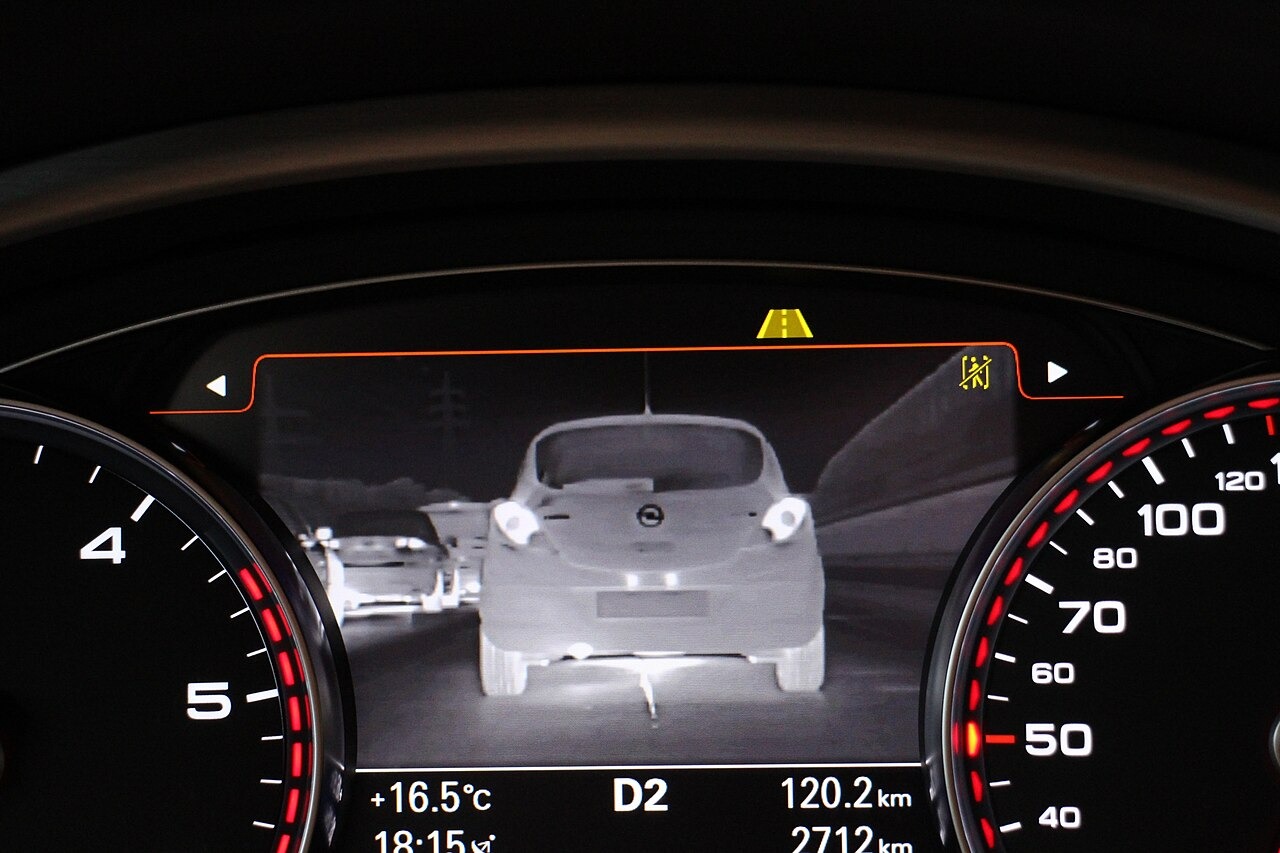
Infrared cameras and sensors create a constant biometric assessment of driver alertness and sobriety.
The tech involves infrared cameras mounted on steering columns or A-pillars, tracking eye movement, pupil dilation, and drowsiness patterns. Unlike the breathalyzer ignition interlocks from DUI convictions, these systems operate passively—no blowing required. Your car simply watches and decides whether you’re fit to drive.
If the AI determines you’re impaired (blood alcohol ≥0.08% or showing fatigue), it can prevent ignition startup or limit vehicle speed. Think Minority Report, but for your morning commute.
Timeline for Implementation
The surveillance rollout targets late 2026 to 2027 for all new passenger vehicles.
While NHTSA’s final rule faced delays beyond the November 2024 deadline, automakers will still get 2-3 years for full implementation once regulations are finalized. Your current vehicle stays surveillance-free, but shopping for a 2027 model means accepting this digital copilot.
The timing coincides with broader automotive software integration, making these systems potentially updatable through over-the-air patches—expanding monitoring capabilities post-purchase.
Privacy and Cost Concerns Mount
Data collection worries combine with $100-500 per vehicle cost increases passed to consumers.
The privacy implications extend beyond federal oversight. While the law doesn’t mandate external data sharing, manufacturers could potentially upload biometric data to corporate servers, raising concerns about sharing with insurance companies to adjust your premiums based on driving behavior.
The technology adds significant costs—estimates range from $100-500 per vehicle—that automakers will inevitably pass to consumers already struggling with inflated car prices.
Industry Pushback Intensifies
Automakers oppose the mandate citing technical readiness concerns and sales impact fears.
Car manufacturers argue the technology remains unreliable, warning of false positives that could strand drivers. They’re concerned about customer backlash and potential sales declines as buyers seek older, unmonitored vehicles.
The federal government promises this surveillance saves 9,000-10,000 lives annually. Whether that justifies your car becoming a mobile panopticon depends on how much vehicle autonomy you’re willing to trade for theoretical safety gains. Your driving privacy expires with your current car’s lifespan.