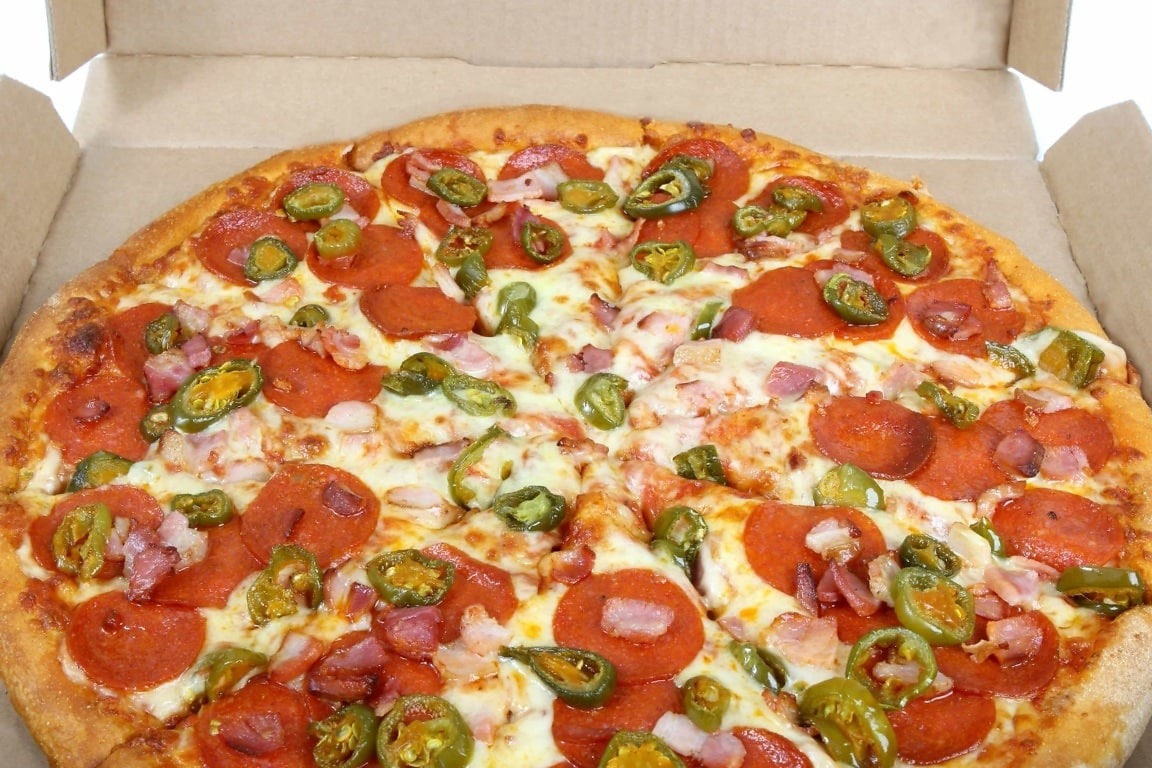
Pizza delivery surges used to be random noise, but OSINT analysts turned them into early warning systems. Defense Secretary Pete Hegseth recently acknowledged this reality with characteristic bluntness, discussing how he’s aware of Pentagon Pizza Report tracking and plans to order pizzas randomly “to throw everybody off.”
Your late-night food cravings just became an accidental intelligence goldmine. The Pentagon Pizza Report monitors Google Maps “popular times” data for pizzerias near the Pentagon and other military installations. When officials work late planning operations, pizza orders spike. When those spikes appear on public Google data, amateur analysts worldwide know something’s brewing. What feels like personal convenience becomes a collective surveillance infrastructure.
The Algorithm That Predicted War
Free public data now rivals classified intelligence networks.
This isn’t theoretical anymore. OSINT enthusiasts have documented correlations between pizza delivery surges and subsequent military actions. Historical precedent validates the method dating back to the 1980s, when intelligence agencies’ late-night food orders preceded major operations.
What took investigative journalism then now happens automatically through smartphone data. The phenomenon represents how consumer technology accidentally democratized intelligence gathering, turning everyday business analytics into early warning systems.
Counter-Intelligence Comedy Hour
Hegseth’s troll strategy reveals deeper operational security challenges.
Hegseth brings unique credentials to this digital chess game. The 29th Secretary of Defense served as an Army National Guard major with deployments to Iraq and Afghanistan. His military experience suggests someone who understands both traditional warfare and modern information operations.
His pizza countermeasure strategy masks serious implications. Like Ring doorbell networks accidentally surveilling neighborhoods, Google Maps transformed innocent business data into an intelligence infrastructure. Hegseth’s random ordering approach acknowledges that operational security now extends to delivery apps—a reality that would’ve seemed absurd during previous decades.
The Democratization of State Secrets
Smartphone data reveals what classified briefings once concealed.
This phenomenon mirrors TikTok’s accidental exposure of military base locations through dance videos. Free tools now provide intelligence that traditionally required security clearances and satellite access. The Pentagon Pizza Report succeeded because it recognized patterns hiding in plain sight.
Your digital footprints create similar intelligence opportunities. Every app ping, location share, and delivery order contributes to massive behavioral datasets. What feels like personal convenience becomes a collective surveillance infrastructure.
Government agencies must now consider how employees’ everyday digital habits telegraph sensitive operations. Hegseth’s pizza trolling represents adaptation to an era where operational security extends far beyond classified communications into the mundane reality of dinner deliveries and Google’s business analytics.