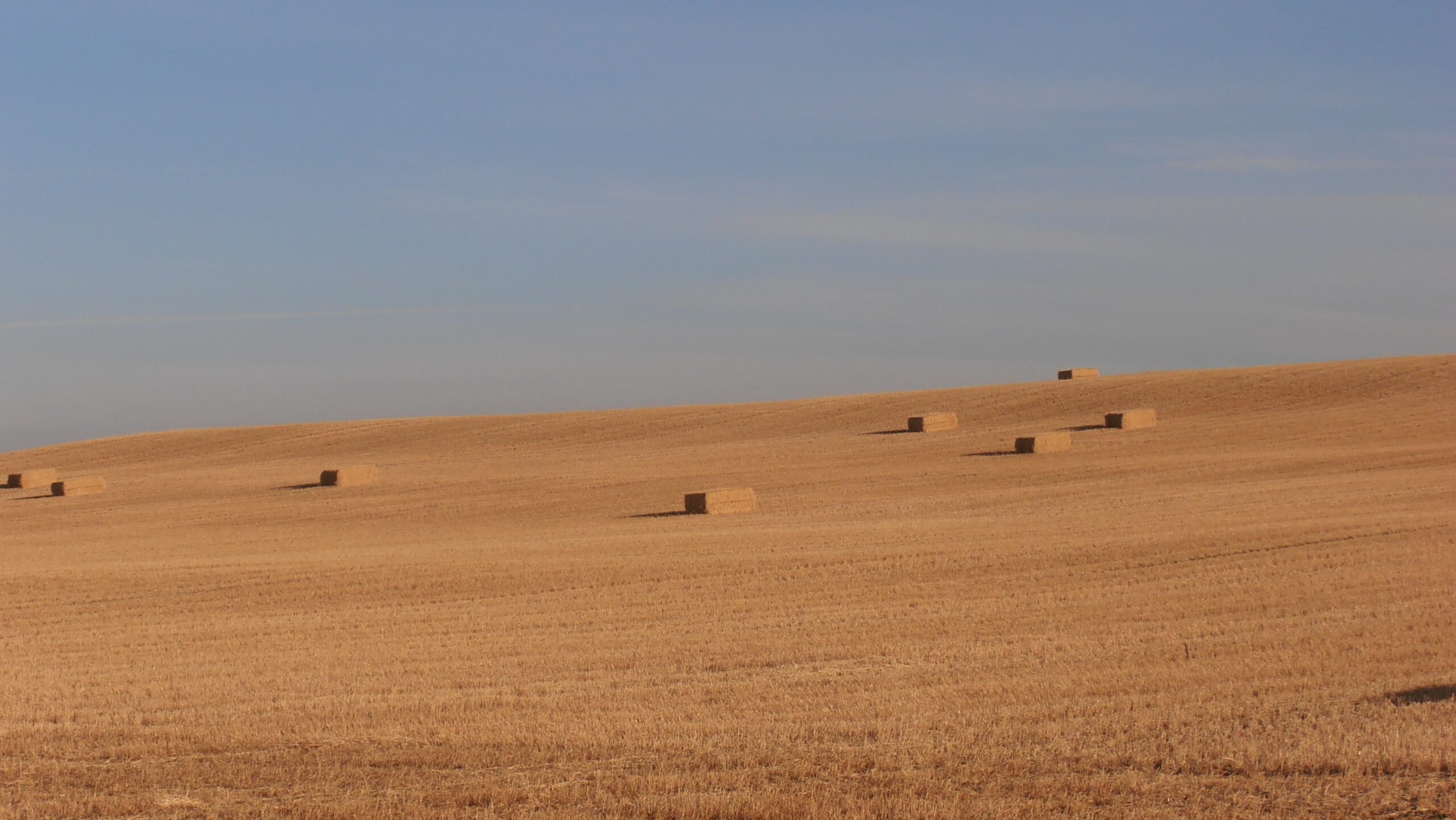
Desertification devours farmland like a relentless threat across global landscapes. Yet scientists from the Chinese Academy of Sciences discovered that spraying lab-grown bacteria onto dunes creates stable, fertile ground in just 10 months. This isn’t theoretical science—it’s happening right now in the Taklamakan Desert, where biological soil crusts resist sandstorms better than concrete barriers.
Ancient Bacteria, Modern Engineering
Cyanobacteria harness 3.5 billion years of evolutionary expertise to transform barren sand into living soil.
The secret weapon? Cyanobacteria have been perfecting soil formation for 3.5 billion years. These microscopic organisms consume sunlight and air, then excrete sticky sugars that bind loose sand particles into cohesive layers. Under lab conditions, this biological cement reduces wind-driven soil loss by over 90 percent. Think of it as nature’s original 3D printing technology, except instead of plastic filament, it uses atmospheric carbon to build infrastructure.
Field Trials Survive Everything Deserts Throw at Them
Testing in northwest China proves microbial films withstand the harshest conditions nature delivers.
Testing in northwest China’s straw checkerboard installations proved the microbial films persist through dust storms, temperature swings, and frost cycles that would destroy conventional soil amendments. The dark bacterial layer concentrates nutrients in the top inch while its rough, porous texture retains moisture longer after rainfall. Within two years, lichens and moss begin colonizing the stabilized surface, creating a self-reinforcing ecosystem that traditionally takes decades to establish.
Reality Check: Traffic and Livestock Remain Deal-Breakers
Despite impressive weather resilience, these biological crusts face vulnerability from human and animal activity.
Despite impressive resilience against weather extremes, these biological crusts crumble under foot traffic, vehicle tires, and grazing animals. Site selection requires careful consideration of local bacterial strains that can handle specific salt, heat, and drought conditions. The process also depends on timely precipitation to activate growth cycles, making it unsuitable for the most arid regions where water scarcity drives desertification in the first place.
This biotechnology represents genuine progress in China’s massive anti-desertification campaign, which has greened 21.7 million acres since 2016. While cyanobacteria spraying won’t reverse climate change overnight, it offers a scalable tool for stabilizing vulnerable landscapes. The next challenge involves protecting these delicate biological investments from the human activities that created desert conditions originally.