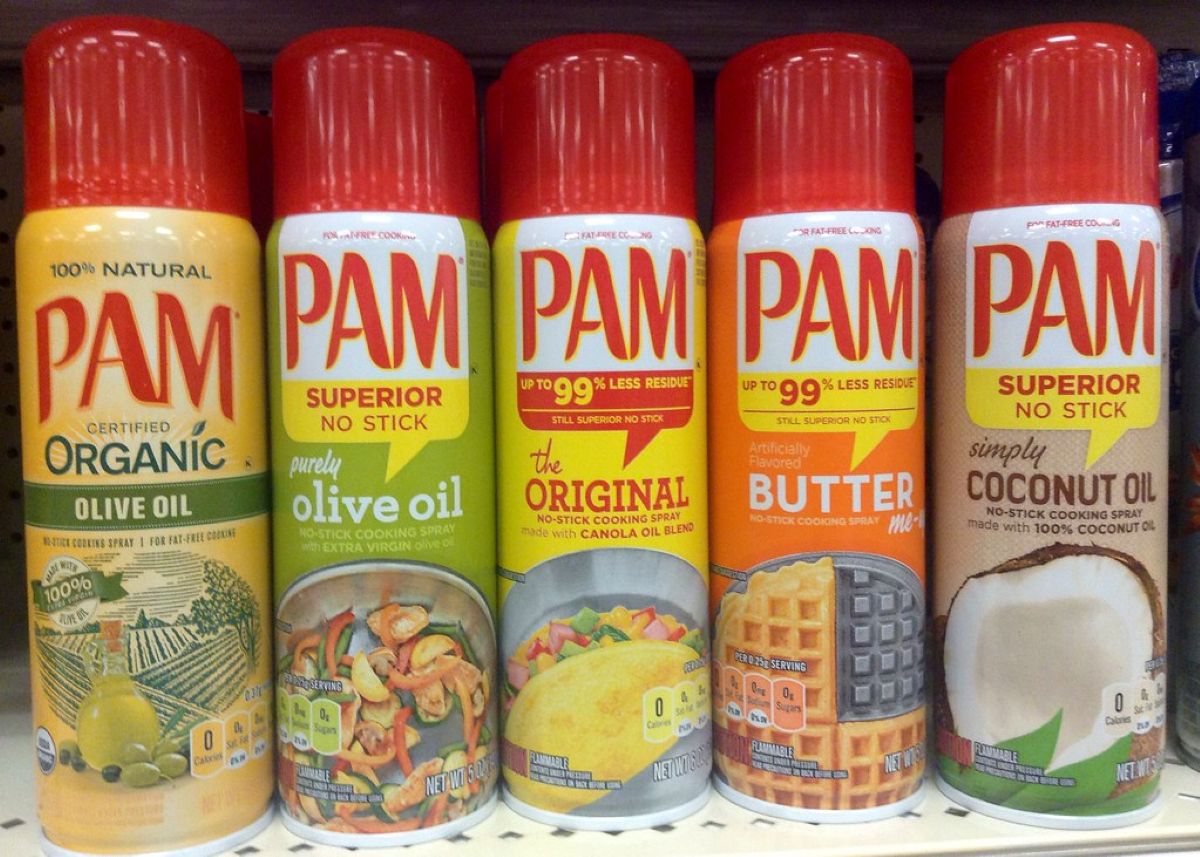
A Los Angeles jury just handed down a $25 million verdict that should make you look twice at that PAM bottle in your kitchen cabinet. Roland Esparza, a 58-year-old former bodybuilder, won big against Conagra Brands after developing “popcorn lung”—the same devastating condition that killed microwave popcorn factory workers—from inhaling butter-flavored cooking spray fumes.
The Bodybuilder’s Healthy Choice Backfired
Esparza thought he was making the smart choice. Multiple times daily for over two decades, he sprayed PAM as part of his high-protein, health-focused diet. The irony cuts deep: a man dedicated to physical fitness now needs a double lung transplant because of a product marketed as the healthy alternative to butter and oil.
His attorney Jacob Plattenberger called him “a good guy who got a raw deal”—which feels like the understatement of the decade when you’re facing organ transplant surgery.
Diacetyl Chemistry Lesson
The culprit is diacetyl, a chemical that gives products that buttery taste you recognize from movie theater popcorn. When inhaled, it causes bronchiolitis obliterans—scarring and narrowing of airways that progressively destroys lung function.
The LA Superior Court jury unanimously found Conagra failed to warn consumers about inhalation risks, despite knowing the dangers from worker lawsuits that had been piling up since the early 2000s.
Consumer Cases Enter Uncharted Territory
This marks the first consumer victory against Conagra for diacetyl in cooking spray—and the largest consumer verdict in any diacetyl case. Previous lawsuits focused on popcorn factory workers breathing industrial concentrations. But Esparza’s case proves that repeated home exposure can be just as deadly.
Conagra’s Defense Strategy
Conagra disputes the verdict, insisting PAM is safe and has been diacetyl-free since 2009. The company plans appeals, calling their product safety record solid. But the jury wasn’t convinced—perhaps because removing a dangerous chemical after decades of use doesn’t erase liability for the damage already done.
The verdict exposes how “healthy” marketing can mask real risks. Your cooking spray might seem harmless, but this case proves that everyday products can carry consequences that take decades to surface.