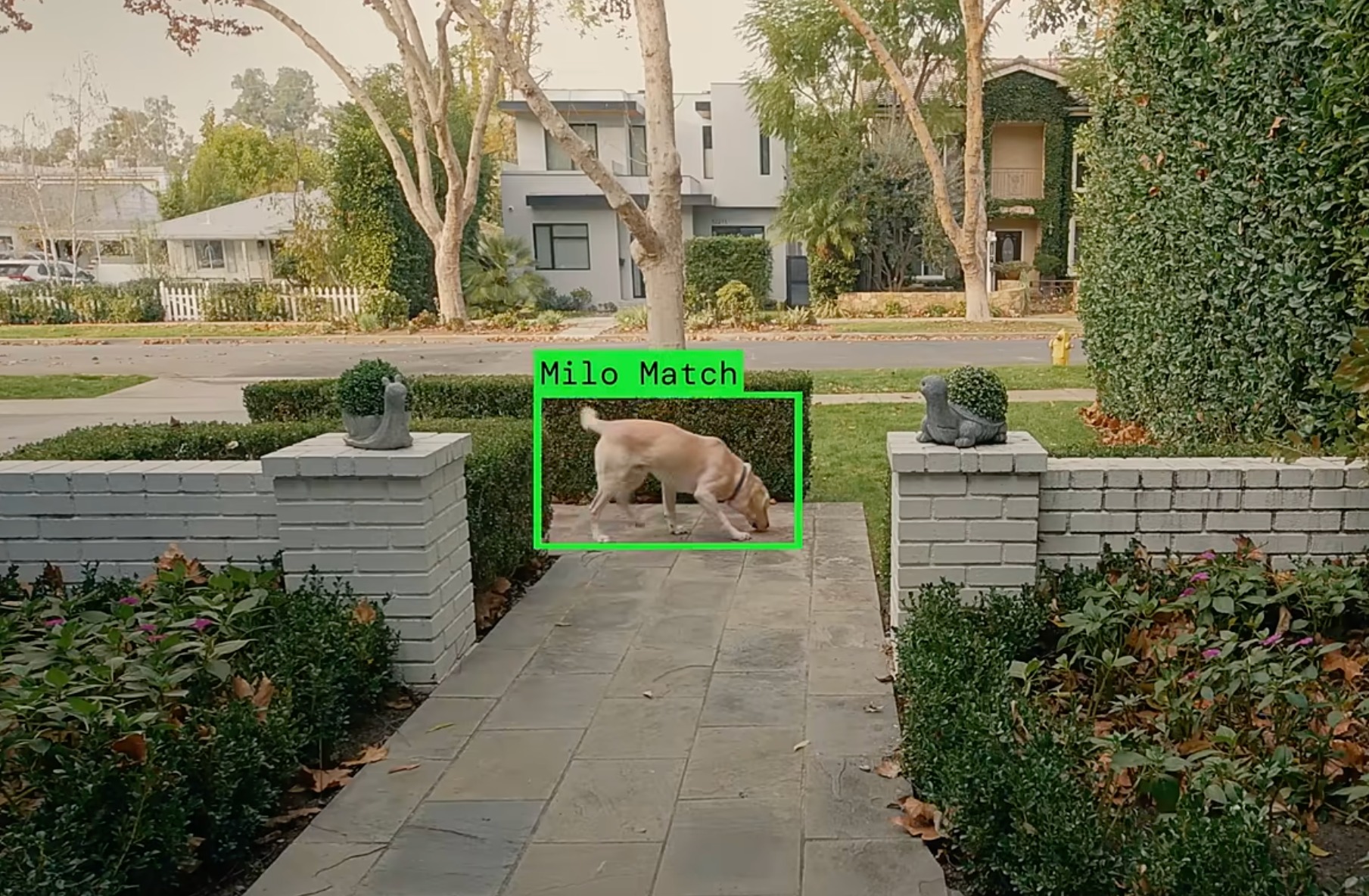
While Ring markets Search Party as a heartwarming tool for finding lost dogs, leaked internal emails tell a different story. CEO Jamie Siminoff described the October-launched feature to employees as merely “first for finding dogs” but foundational for Ring’s ultimate goal to “zero out crime in neighborhoods.” The on-by-default AI feature networks your outdoor Ring cameras with neighbors’, creating what privacy advocates call a surveillance infrastructure hiding behind cute pet profiles.
Your Camera, Their Crime-Fighting Network
Search Party connects all US Ring doorbells and outdoor cameras automatically.
Search Party works by linking every participating Ring device in your neighborhood—and you’re enrolled automatically unless you manually opt out through the Control Center. The AI scans footage for lost pets using uploaded profiles, but Siminoff’s leaked correspondence reveals this represents just phase one of a broader crime detection system. Think of it as the foundation for a neighborhood-wide digital panopticon, except it started by asking you to upload photos of your golden retriever.
Police Access Gets a Makeover
Community Requests feature provides law enforcement indirect footage access through Axon partnership.
Ring’s troubled history with police partnerships hasn’t disappeared—it’s evolved. After ending direct warrantless access in 2024 and canceling a Flock Safety deal due to criticism, Ring launched Community Requests in September. This Axon-partnered feature lets police request footage indirectly, which Siminoff promoted enthusiastically on Instagram after a recent assassination attempt, highlighting its investigative potential. The company frames this as voluntary sharing, but the infrastructure for mass surveillance keeps expanding.
Privacy Theater Meets Surveillance Reality
Company denies biometric tracking while building facial recognition capabilities.
Ring spokesperson statements emphasize user choice and deny human biometric processing in Search Party, yet the company already operates Familiar Faces facial recognition for identifying pre-approved people. The Electronic Frontier Foundation calls Ring’s trajectory “a scary overreach of the surveillance state designed to catch us all in its net.” With Siminoff’s return in 2025 after a brief 2023 exit coinciding with renewed police partnerships, the pattern seems clear: your doorbell camera is becoming part of something much larger than package theft prevention.