When investigators uploaded a DNA profile from a glove found near Nancy Guthrie’s abandoned car to CODIS, they expected answers. Instead, they encountered silence—no match found in the FBI’s massive genetic database.
What CODIS Actually Does
The system functions as a genetic matching service that could link crimes or identify suspects across state lines.
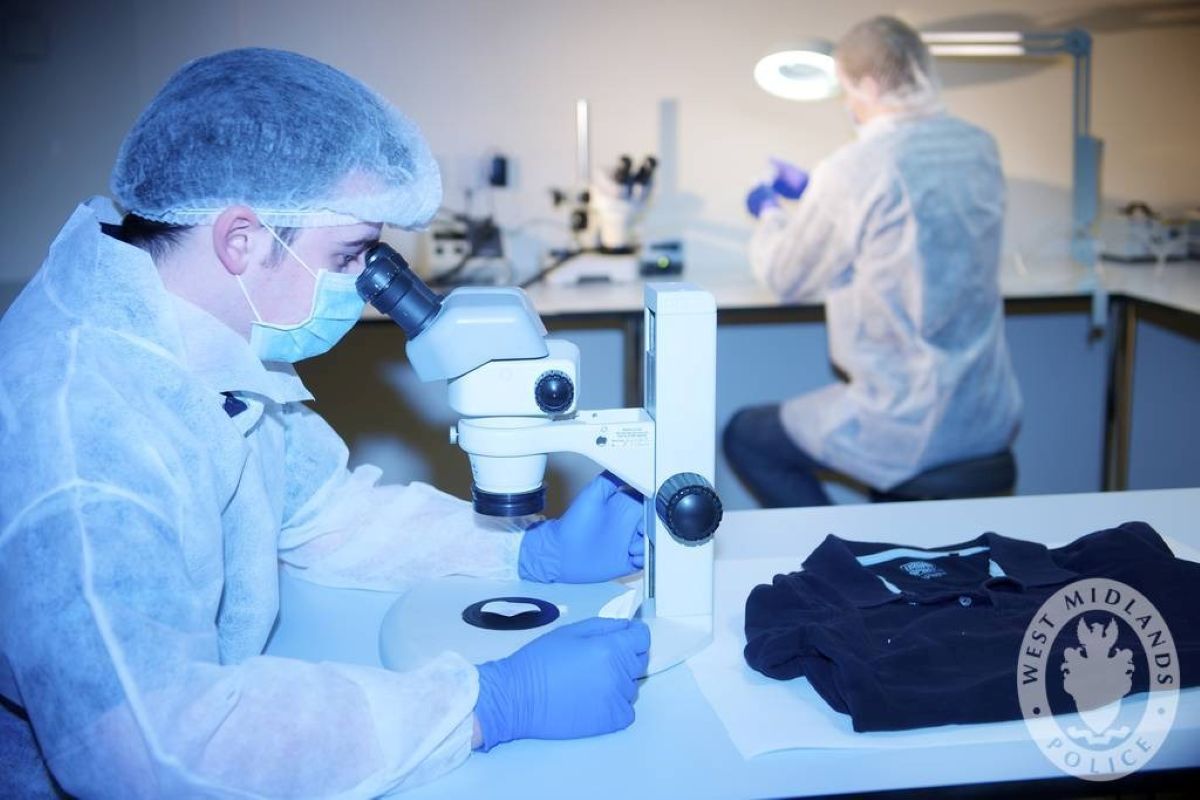
The Combined DNA Index System sounds like something from CSI, but it operates as a sophisticated matching service. Think of it as the genetic equivalent of running a license plate: investigators upload DNA profiles from crime scenes, and the system checks them against millions of stored profiles from convicted offenders, arrestees, and unsolved cases. When the system finds identical genetic markers, it flags a potential match for human review.
CODIS houses over 20 million profiles collected from crime scenes and individuals across all 50 states. The database automatically cross-references new uploads against this collection, searching for matches that could link crimes or identify suspects. Your local crime lab can upload a profile today and potentially solve a case from another state that went cold years ago.
Why No Match Matters
The absence of a CODIS hit narrows possibilities but doesn’t eliminate the DNA evidence’s value.
The lack of a CODIS hit in Guthrie’s case doesn’t render the DNA worthless—it simply narrows the possibilities. Either the person who left genetic material on that glove has never been arrested for a qualifying offense, or they’re not in the system yet. The profile remains stored in CODIS, waiting for a future match if that person eventually gets arrested and sampled.
This outcome happens more frequently than you might expect. The system works best when someone already has a criminal history that required DNA collection, leaving gaps in coverage for first-time offenders.
The Waiting Game
Investigators must now pursue traditional detective work while the DNA profile waits for potential future matches.
Investigators now face the familiar challenge of old-school detective work. They’ll likely compare the DNA profile against any persons of interest manually, hoping for a match that bypasses the database entirely. Meanwhile, that genetic profile sits in CODIS like a fishing line in the water—ready to catch something if the right person eventually swims by.
The technology that seemed revolutionary twenty years ago has become routine investigative procedure. But for families like Guthrie’s, even negative results represent progress—another avenue explored, another possibility eliminated in the long search for answers.