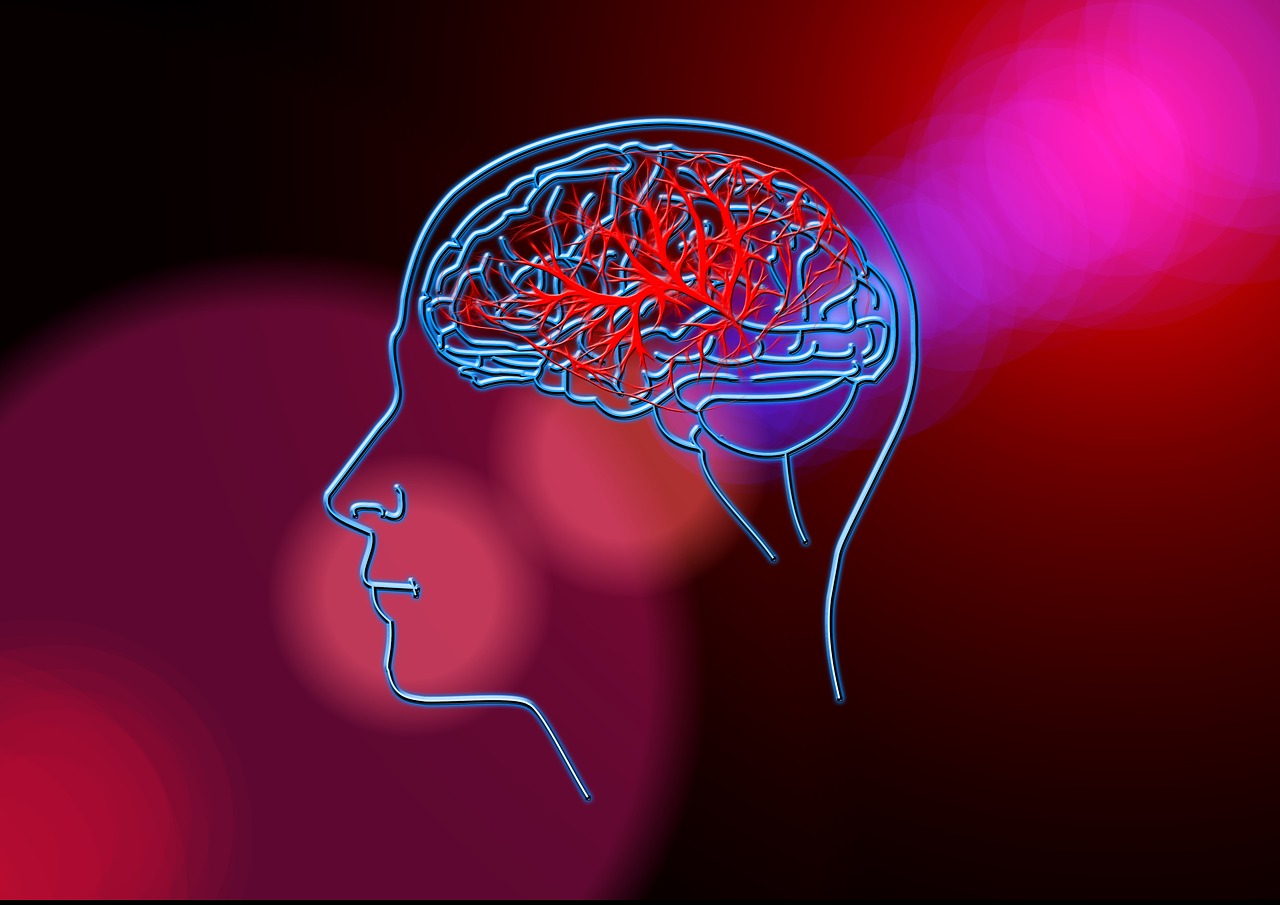
Brain damage from stroke has been medicine’s cruel inevitability—until Northwestern University researchers cracked the code with injectable “dancing molecules” that repair neural tissue after the fact. This supramolecular peptide therapy crosses the blood-brain barrier via a single IV dose, exploiting the brief window when blood flow returns to damaged areas. Given that stroke ranks as America’s fifth leading killer, this breakthrough feels less like incremental progress and more like emergency medicine’s iPhone moment.
How Molecular Choreography Fixes Broken Brains
The so-called dancing molecules work like biological origami. Small peptide fragments slip past the brain’s protective barrier, then unfold into larger nanofibers once inside. These structures reduce inflammation while signaling nerve cells to rebuild connections and grow new axons. “This systemic delivery mechanism and the ability to cross the blood-brain barrier are a significant advance,” according to lead researcher Samuel I. Stupp. Think of it as sending repair crews directly to the disaster zone instead of hoping they find their way through roadblocks.
From Lab Bench to Emergency Room
Picture the typical stroke response: paramedics rush patients to hospitals where doctors race to restore blood circulation, but secondary damage often continues for hours afterward. Northwestern’s nanomaterial therapy changes this timeline entirely. The treatment works specifically during reperfusion—when blood returns to oxygen-starved brain tissue—turning a narrow rescue window into an active repair opportunity. Researcher Ayush Batra emphasizes they’re “optimizing the chances that your therapy is going where you want it to go,” rather than hoping treatments reach their targets.
Beyond Stroke Recovery
Preclinical results showed significant damage reduction compared to control groups, with zero toxicity or adverse effects in other organs. The research team plans to expand applications to traumatic brain injury and potentially ALS, building on Stupp’s previous success with spinal cord therapies that earned FDA Orphan Drug designation. Future emergency care might include nanoscale repair crews alongside traditional interventions—a fusion of molecular engineering and acute medicine that seemed like science fiction just years ago.
This intersection of nanotechnology and emergency treatment suggests stroke damage might soon join the list of medical catastrophes society has learned to reverse rather than simply endure.