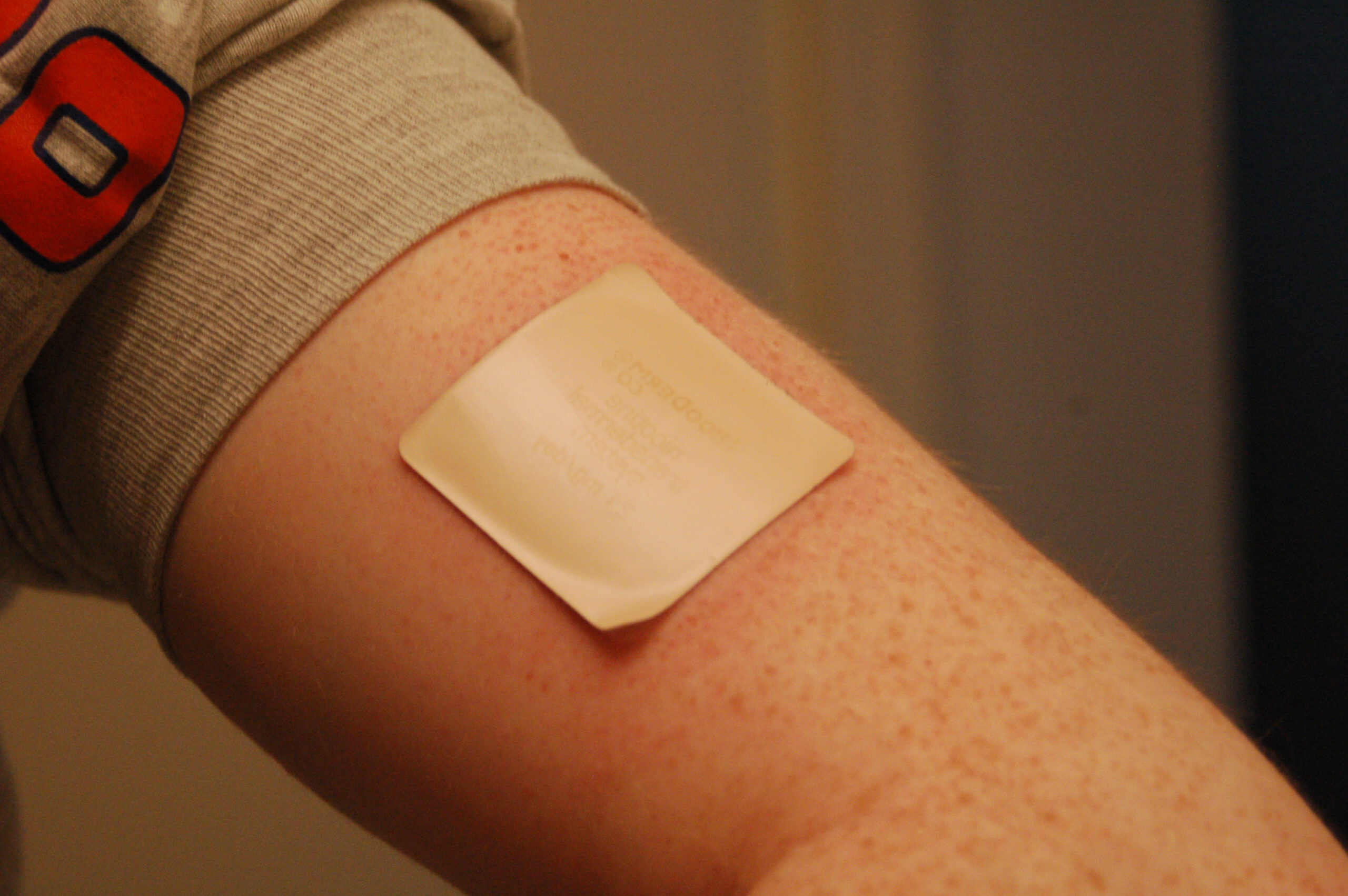
While most people flee from nicotine like it’s radioactive waste, a growing tribe of biohackers is embracing it as their latest brain-boosting, life-extending secret weapon. This isn’t your grandfather’s Marlboro habit—we’re talking pharmaceutical-grade patches delivering microscopic doses for cognitive enhancement. It’s wellness culture’s most controversial contradiction: using addiction’s poster child as a longevity tool.
The Microdose Revolution
Biohackers separate nicotine from tobacco’s toxic delivery system using strategic protocols.
“Longevity nicotine” strips away tobacco’s over 7,000 chemicals, focusing on purified nicotine delivered through patches, lozenges, or gum. Dave Asprey, biohacking’s unofficial mayor, advocates 1-2 milligram doses—roughly one-tenth of a cigarette’s punch.
His protocol treats nicotine like a precision instrument:
- Deploy strategically for high-focus tasks
- Skip during stress or workouts
- Never combine with other stimulants
Think surgical strikes, not carpet bombing.
The Cognitive Case
Multiple studies document real improvements in attention, memory, and neuroprotection.
The research backing cognitive benefits isn’t just biohacker fantasy. A 2010 review of 41 trials showed significant improvements in attention and memory. Follow-up studies in 2012 confirmed gains in both healthy adults and those with mild cognitive impairment.
Recent 2023 research suggests low-dose nicotine improves cellular energy use, reduces brain inflammation, and may protect against Parkinson’s disease. Your hippocampus apparently appreciates nicotine’s neuroprotective properties—when delivered correctly.
The Addiction Elephant
Nicotine’s addiction potential rivals cocaine, making this experiment genuinely risky.
Here’s where wellness optimism crashes into pharmacological reality: nicotine is wickedly addictive, regardless of delivery method. Its addiction potential rivals cocaine and heroin, making every dose a calculated risk. Cardiovascular stress from elevated heart rate and blood pressure accompanies every dose.
No FDA-approved protocols exist for non-smoking nicotine use, meaning you’re essentially volunteering for an uncontrolled experiment. The same compound that hooks smokers doesn’t suddenly become benign in a patch.
Despite promising cognitive research, “longevity nicotine” remains experimental territory without medical oversight. If you’re curious about nootropics, countless safer options exist before gambling with addiction’s heavy hitter.