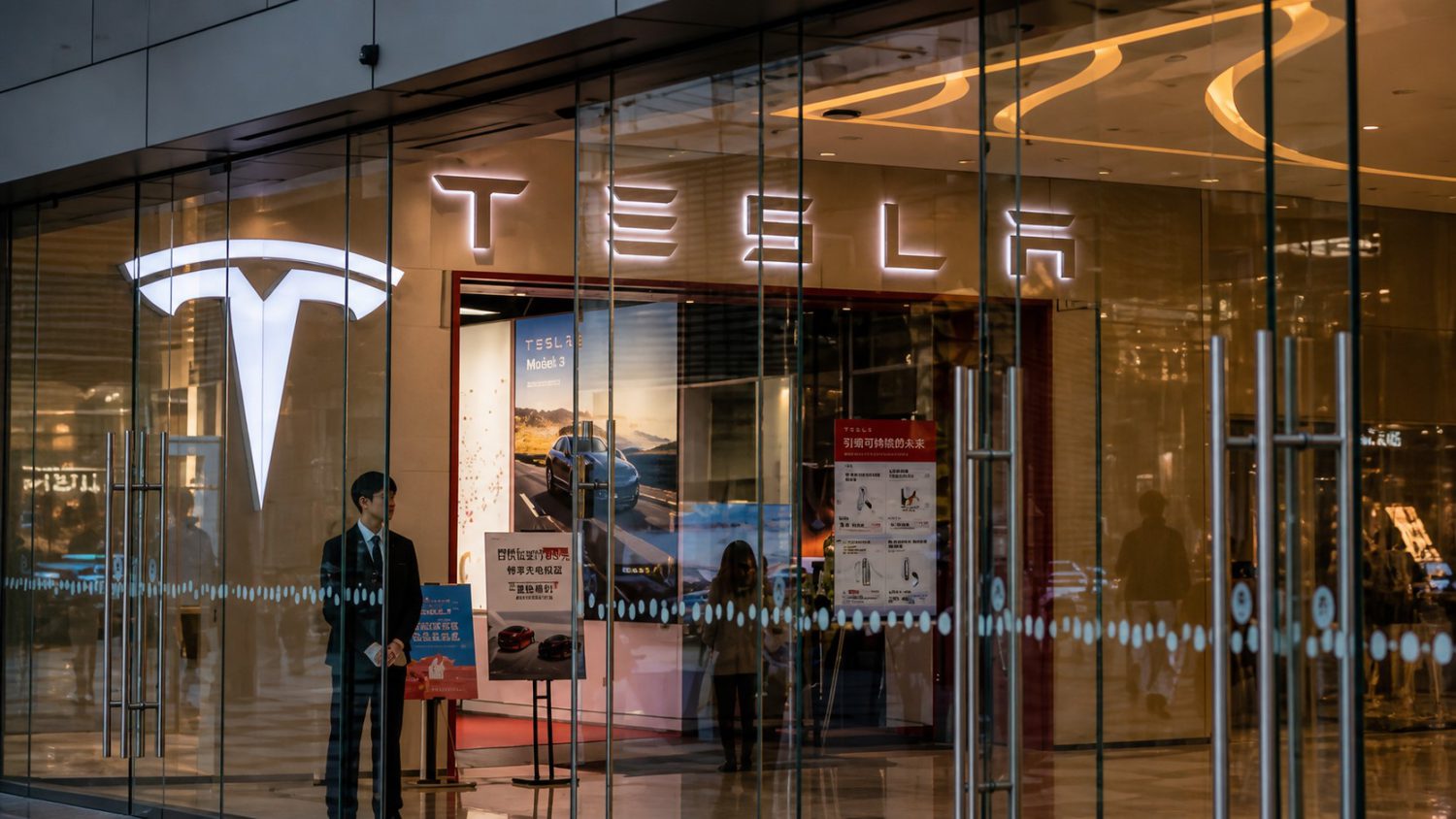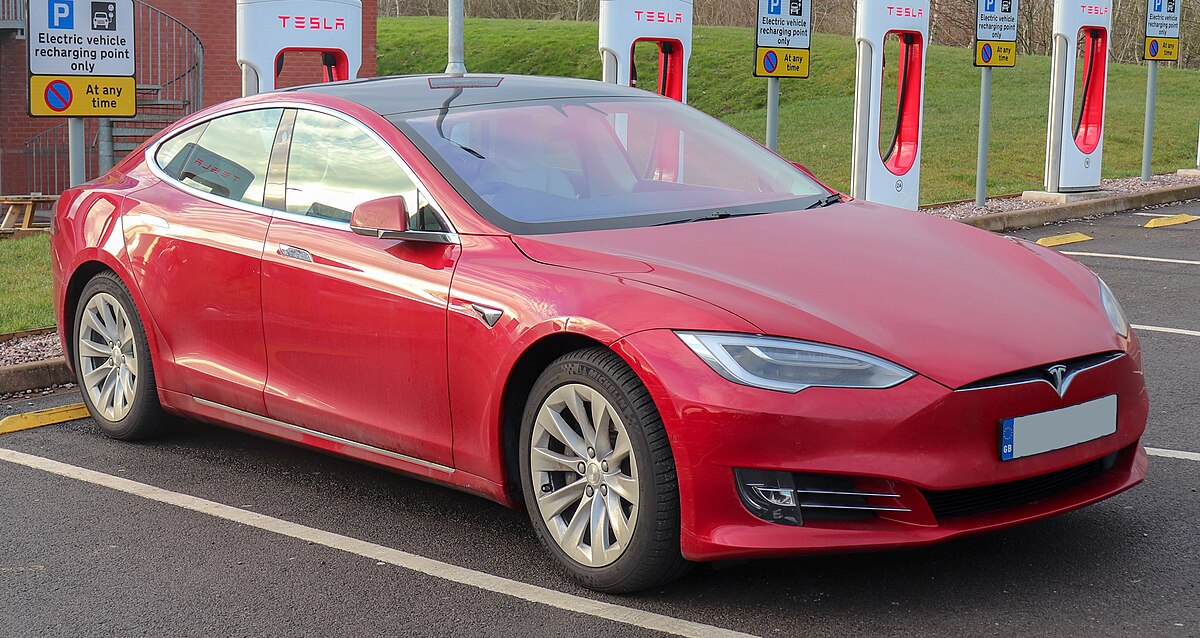
Tesla’s US registrations plummeted 17% year-over-year in January, dropping to 40,100 units from 48,500 the previous year. This marks the fourth consecutive month of decline for the company that once seemed unstoppable in American driveways. EV sales crashed 30% industry-wide, shrinking from 9.5% to 6.6% of total auto sales. Average transaction prices jumped 18.1% to $51,981, according to Cox Automotive.
When subsidies disappear, sticker shock arrives
The $7,500 federal tax credit’s September expiration exposed EV pricing reality.
Your EV shopping budget just got brutally more expensive. Tesla’s temporary summer sales surge—the only growth period in twelve months—came from buyers rushing to beat the credit deadline. Once that artificial demand evaporated, the market’s true appetite became painfully clear. What were once government-subsidized tech purchases transformed into luxury decisions that fewer Americans could justify.
Brand damage beyond pricing problems
Tesla’s tech-forward image suffers from CEO controversies and market saturation.
Tesla’s brand value collapsed 36% in 2025, falling to $27.6 billion from a $66.2 billion peak, according to Brand Finance. Even in California—EV central—Tesla’s market share dropped to 9.9% from 11.6%. The company that once embodied gadget-like innovation now faces brand loyalty erosion that hit other tech darlings when cultural winds shifted. As industry analysis noted, “The problem is no longer just price, it is the brand itself.”
Competition finally catches up
GM surged 48% while Tesla’s dominance crumbled to a still-significant 46% share.
GM’s 170,000 unit surge tells the story Tesla doesn’t want to hear—buyers have viable alternatives. The Equinox EV became the third-best-selling electric vehicle, proving that mainstream automakers can build desirable EVs. Tesla maintains 46% of the US EV market, down from 49% in 2024 and a commanding 75% in early 2022. BYD overtook Tesla globally with 2.26 million battery-electric vehicles compared to Tesla’s 1.636 million deliveries.
The robotaxi pivot begins
Tesla doubles AI spending to $20 billion while launching cheaper models.
Tesla’s response combines desperate and visionary moves. New lower-priced models arrived—the Model Y Standard at $39,990 and Model 3 at $36,990—while the company discontinued Model S and X production entirely. Tesla doubled its capital expenditure to $20 billion for AI and autonomy development, signaling a fundamental shift from car company to tech platform. Whether you’ll actually summon a robotaxi by 2027 remains Tesla’s biggest bet against sliding sales.