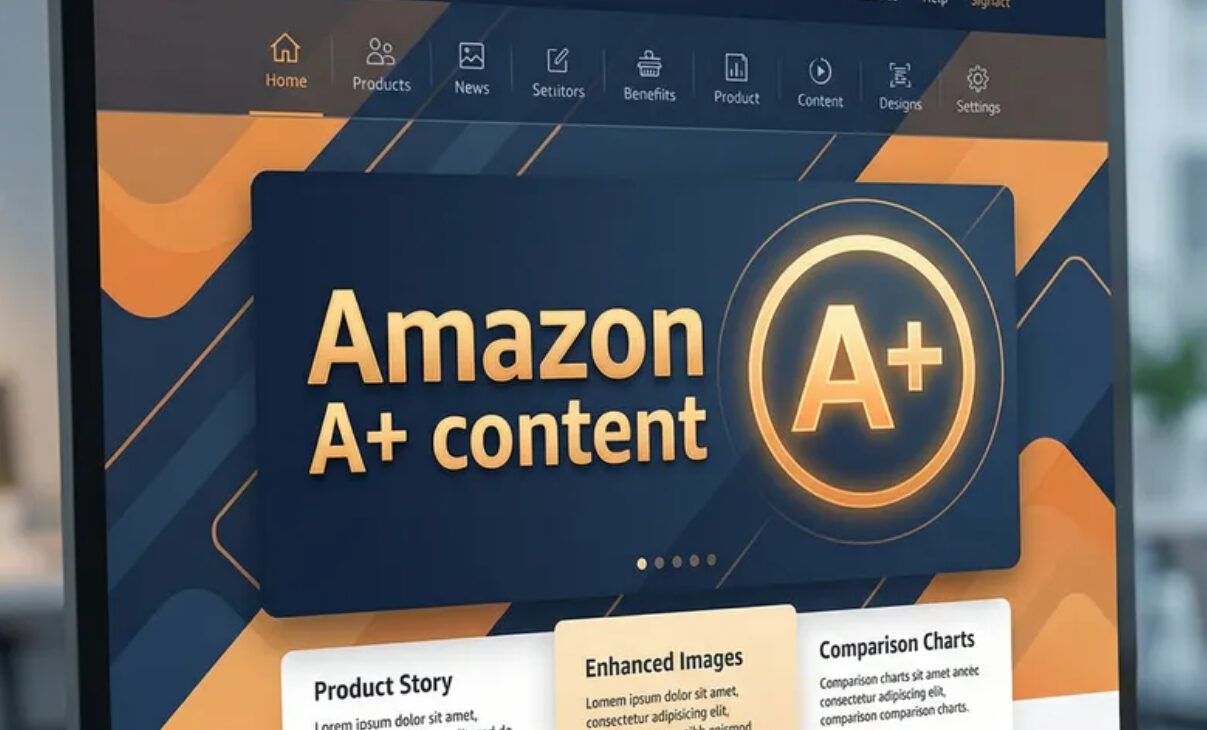
Copyright chaos is forcing Big Tech’s hand. Amazon is reportedly building a marketplace where publishers can license their content directly to AI companies, according to The Information. This comes barely a week after Microsoft launched its Publisher Content Marketplace with heavyweights like Associated Press, Condé Nast, Hearst, Vox Media, and USA Today.
Think of it as Spotify for AI training data—except the stakes involve billion-dollar lawsuits and the future of how machines learn to write. The shift addresses ongoing litigation like The New York Times’ case against OpenAI and Microsoft, where publishers claim their content was scraped without permission.
Amazon’s Measured Response to Microsoft’s Bold Move
AWS infrastructure could give Amazon advantages in the emerging licensing ecosystem.
While Microsoft jumped in with both feet, Amazon’s playing it cooler. The company showed slides to publishing executives ahead of an AWS conference but won’t confirm anything concrete. An Amazon spokesperson told reporters they “innovate with publishers across AWS, Retail, AGI, Alexa” but have “nothing specific to share.”
Translation: they’re watching Microsoft’s experiment closely. Amazon’s cloud infrastructure could handle massive content catalogs more efficiently than competitors, but they’re letting others test the market first.
Publishers See Lifeline as AI Threatens Traffic
Direct licensing deals offer revenue as AI summaries reduce website visits.
Publishers are desperately seeking new income streams. Studies show AI-generated summaries are already reducing clicks to news sites—your Google search might answer questions without you ever visiting the original article.
Microsoft’s marketplace promises a “transparent economic framework” and usage reporting, letting publishers retain ownership while earning fees. The shift toward usage-based pricing rather than flat deals mirrors how streaming transformed music royalties.
Legal Battles Drive the Rush to Legitimacy
Companies move from scraping random content to licensing professional journalism.
The Wild West era of AI training is ending. Companies like OpenAI face expensive lawsuits from major publishers, with The New York Times’ ongoing case highlighting the risks of training on unlicensed content. Direct licensing marketplaces offer legal cover while ensuring quality content reaches AI models.
You’ll likely notice better AI responses as companies move from scraping random internet text to curated, professional journalism and media. Beyond Amazon and Microsoft, startups like Amlet and established players like Copyright Clearance Center are building similar platforms.
This isn’t just about avoiding lawsuits—it’s about creating sustainable revenue for the publishers whose content you actually want AI systems trained on.