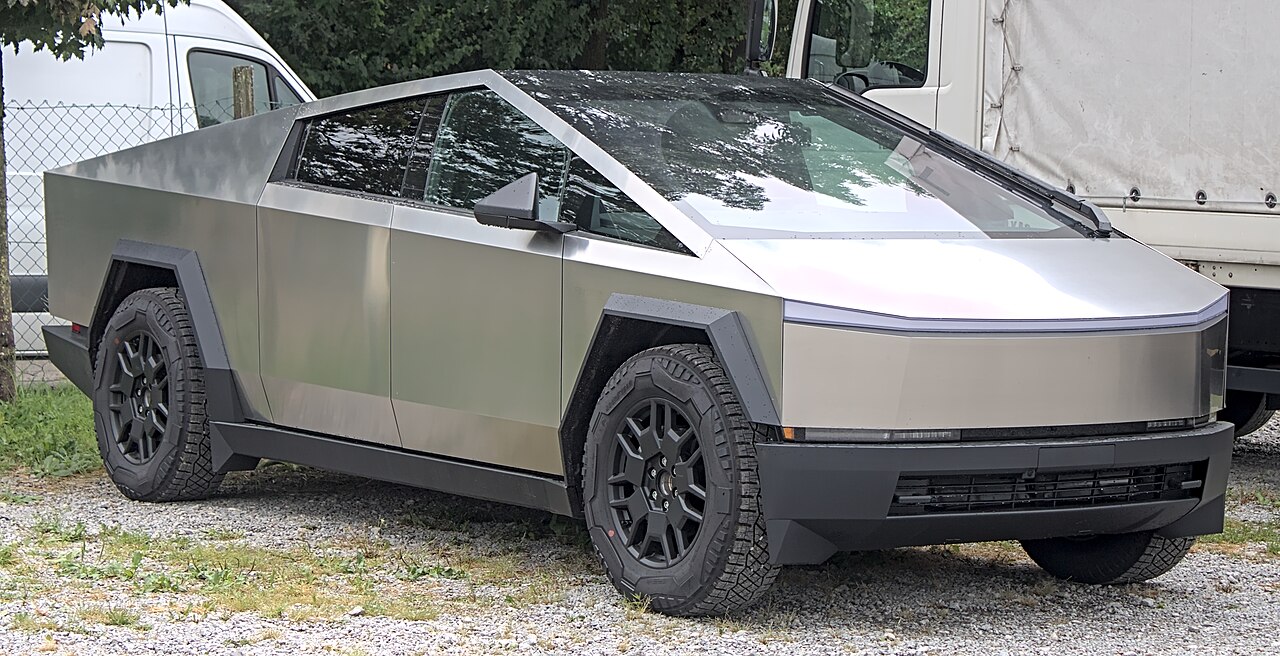
While viral videos claim EVs flip like pancakes at the first sharp turn, NHTSA’s Cybertruck crash tests reveal a starkly different reality. The angular electric truck just earned the lowest rollover probability among tested pickups—a 12.4% risk that beats most traditional SUVs. Yet online forums still buzz with unverified rollover footage and claims that electric vehicles roll easier than gas cars.
The disconnect between perception and engineering data matters more than Tesla stock prices. Real families are making $80,000 purchase decisions based on secondhand safety fears instead of federal crash test results.
What the Federal Tests Actually Show
NHTSA’s comprehensive testing reveals Cybertruck stability despite 6,800-pound curb weight.
The 2024 Cybertruck earned NHTSA’s coveted 5-star overall safety rating through brutal testing protocols. Frontal crashes at 35 mph yielded 5 stars for drivers, 4 for passengers. Side impacts at 38.5 mph scored perfect 5s across the board.
Most importantly for rollover concerns, dynamic stability tests showed no tip-over incidents. That 12.4% calculated rollover risk places the Cybertruck among the most stable pickup trucks NHTSA has evaluated.
The massive battery pack, mounted low in the chassis, actually lowers the center of gravity compared to traditional trucks with elevated gas tanks and engines.
The Weight and Speed Reality Check
Legitimate concerns about pedestrian safety don’t negate occupant protection achievements.
The Cybertruck’s 6,843-pound Cyberbeast variant does raise valid questions—just not about rollovers. That mass combined with 0-60 acceleration in 2.6 seconds creates genuine pedestrian and other-vehicle risks during crashes. Think of it like giving a linebacker the speed of a track star.
But occupant safety tells a different story. The stainless steel exoskeleton and energy-absorbing structures performed exactly as Tesla’s engineers intended during federal testing. No verified incidents exist of Cybertrucks flipping during emergency maneuvers, despite countless attempts to find such footage online.
The Misinformation Ecosystem’s Real Danger
Viral safety claims spread faster than fact-checkers can debunk them, creating a dangerous information vacuum where speculation replaces engineering. Before trusting dramatic rollover videos without sources, check NHTSA’s publicly available crash test database. Your family’s safety deserves better than social media hysteria.
The Cybertruck’s actual safety story—excellent occupant protection with legitimate pedestrian concerns—gets lost when fake rollover fears dominate the conversation.