Smoke filled the burning Tesla Model Y as 20-year-old Samuel Tremblett made his final 911 call. “I’m stuck in a car crash… I can’t get out, please help me… I can’t breathe,” he told the dispatcher on Route 138 in Massachusetts. “It’s on fire, it’s on fire. Help please… I am going to die… I’m dying.” Emergency responders watched helplessly as the vehicle exploded four times within ten minutes. Tremblett died from thermal injuries and smoke inhalation, trapped inside by Tesla’s electronic door handles that failed when the electrical system shut down.
His death joins at least 15 others documented by Bloomberg in a pattern that’s accelerating—more than half of these Tesla entrapment deaths occurred since November 2024 alone.
Electronic Handles Fail When You Need Them Most
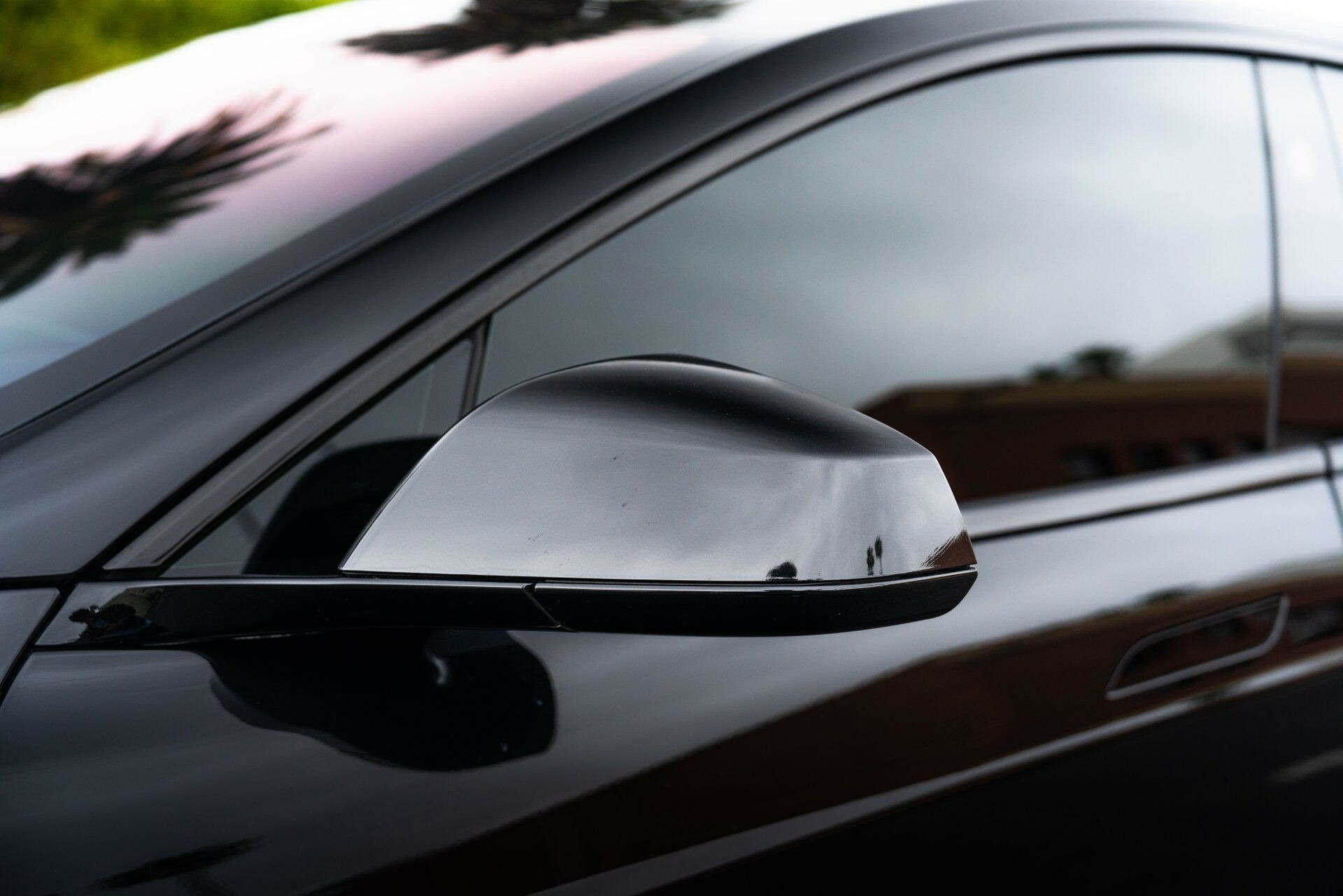
The wrongful death lawsuit filed by Tremblett’s mother in February reveals the deadly design flaw. Tesla’s electronic door handles depend on electrical power that vanishes during crashes. While the company includes manual releases, they’re practically invisible to panicking occupants.
Front doors hide the backup near window switches. Rear passengers must first remove a floor mat, then locate and pull a concealed cable—assuming their particular Model Y even has rear manual releases, which Tesla’s own manual admits isn’t universal.
Kevin Clouse learned this firsthand when trapped in his Model 3 after a 2023 Georgia crash. He escaped only by kicking out a window. “It’s terrifying,” Clouse said. “You’re in a box that’s on fire and you can’t get out.”
Regulators Finally Taking Action
Federal safety investigators opened a probe in September covering 175,000 Model Y vehicles—the same variant that killed Tremblett. The timing suggests regulators finally recognize this isn’t isolated bad luck but systemic design failure. China announced it will ban hidden door handles starting next year, requiring accessible mechanical releases on all vehicles. European authorities are considering similar car safety rules.
Tesla’s response? The company claims door safety issues affect the entire industry while promising future fixes like automatic unlocking during crashes. Board Chair Robyn Denholm stated the company takes safety incidents seriously and notes Tesla vehicles achieve high crash test scores.
The EV industry’s sleek aesthetic shouldn’t cost lives. Yet Tesla prioritized minimalist design over redundant safety systems, creating a deadly gamble for drivers. As regulators worldwide wake up to this reality, the question isn’t whether Tesla will face massive recalls—it’s how many more people will die before that happens.