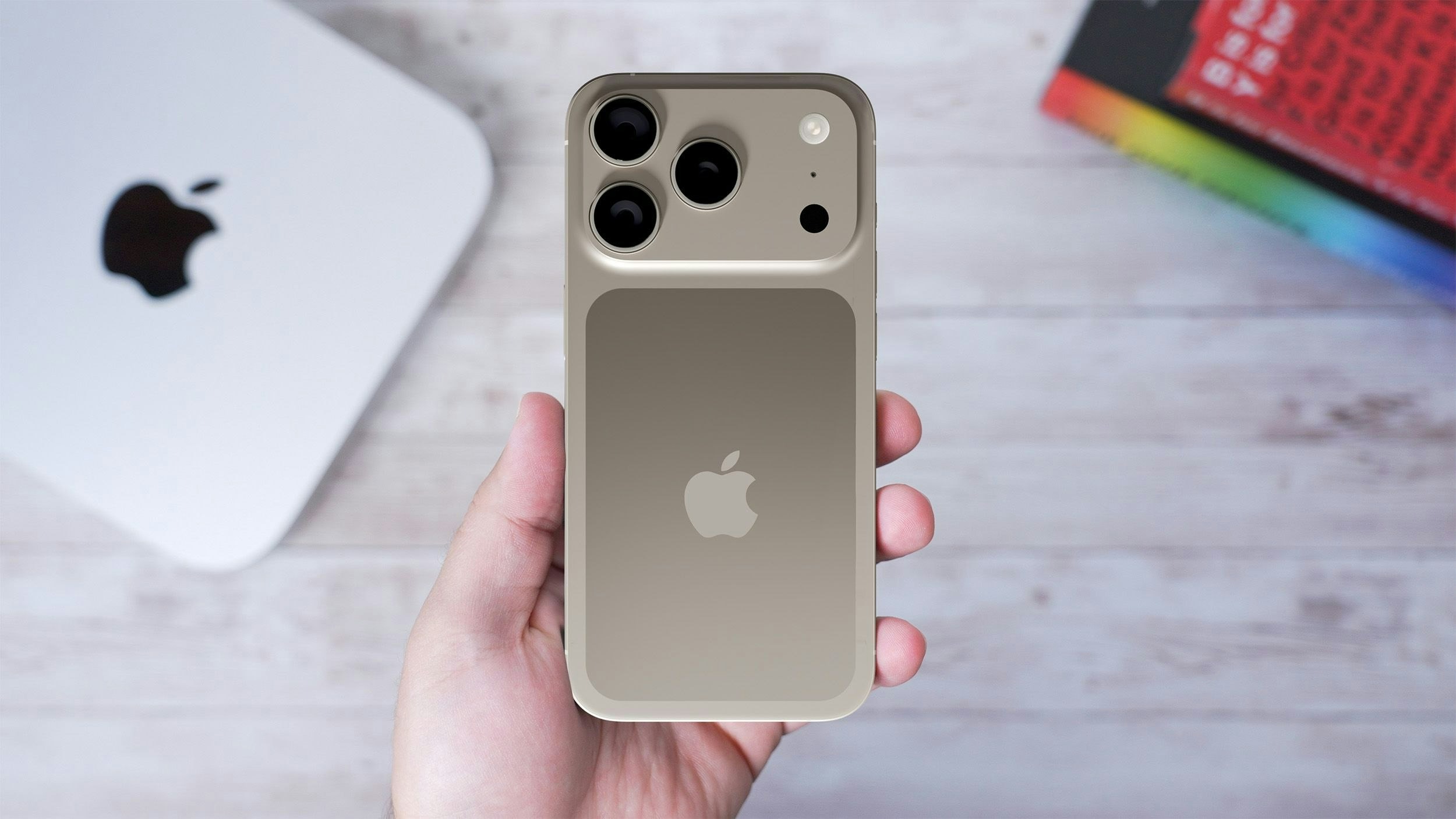
Your iPhone just earned the ultimate durability certification. NASA Administrator Jared Isaacman announced February 5th that astronauts on upcoming Crew-12 and Artemis II missions can bring modern smartphones—including iPhones—marking the first time consumer devices have been cleared for lunar travel. This isn’t just space policy; it’s validation that your pocket computer can handle environments more extreme than any drop test.
Modern Tech Replaces Decade-Old Equipment
Previously, astronauts relied on 2016 Nikon DSLRs and decade-old GoPros for mission documentation. These certified cameras worked, but barely kept pace with your average TikTok creator’s setup.
Isaacman emphasized providing astronauts “tools to capture special moments for their families and share inspiring images and video with the world,” according to his announcement on X. The shift eliminates bulky equipment in favor of devices astronauts already know intimately.
Breaking NASA’s Certification Gridlock
NASA’s traditional qualification process subjects hardware to:
- Radiation testing
- Thermal cycling
- Vibration torture
- Outgassing analysis
These requirements can take years to complete. Isaacman challenged this “requirement bloat,” expediting smartphone approval for operational urgency.
The move mirrors how Netflix disrupted Blockbuster: sometimes consumer convenience beats institutional inertia, even in rocket science.
Historic First for Consumer Space Tech
Artemis II represents the first crewed deep-space mission since Apollo 17 in 1972, making these iPhones the first consumer smartphones destined for lunar orbit. While private missions like Polaris and Axiom already used smartphones, and an iPhone 4s reportedly flew on the 2011 Shuttle mission, this policy extends consumer tech to NASA’s flagship program.
The March 2026 launch will capture lunar views with computational photography unimaginable during the Apollo era.
Your Gadgets Just Got Extreme Validation
This policy shift validates something you’ve suspected: consumer electronics often surpass enterprise-certified alternatives. Your iPhone’s camera system, developed for millions of users, now officially handles environments that destroy most specialized equipment.
When astronauts document Earth from lunar distance using the same device you use for coffee photos, it proves consumer innovation has reached military-grade reliability—without the decade-long certification timeline.