For the first time since the Clinton administration, NVIDIA won’t release new gaming graphics cards this year. The chip giant has reportedly shelved its entire 2026 GPU lineup due to severe memory shortages driven by AI data center demand, according to The Information. This breaks a 30-year streak of annual gaming hardware releases that survived crypto mining booms, pandemic supply chains, and every other industry crisis you’ve witnessed.
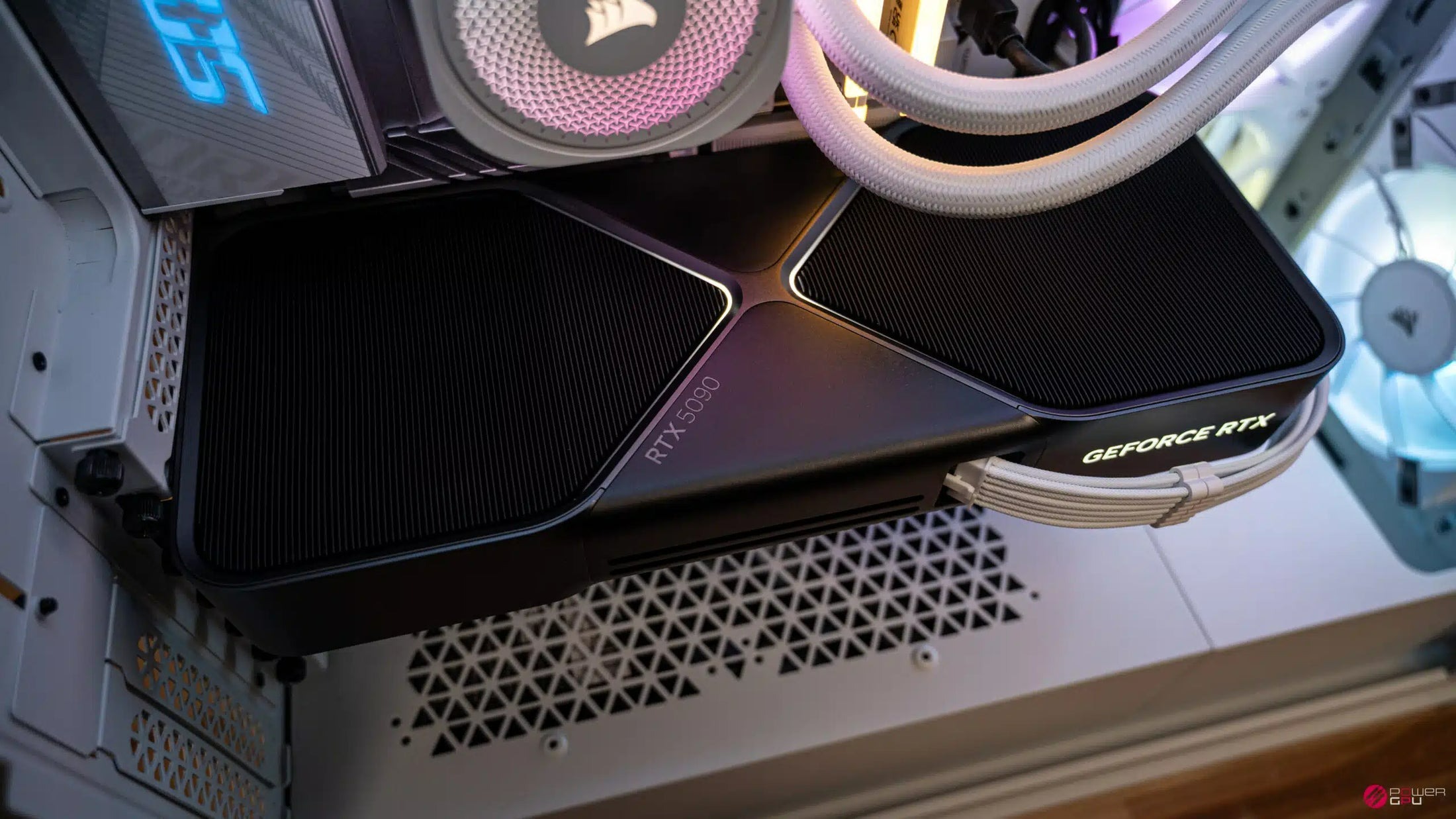
Your RTX 50-series upgrade plans just hit a wall. The company completed designs for refreshed “Super” models—including an RTX 5080 Super with 24GB of GDDR7 memory—but won’t manufacture them. Even more brutal: NVIDIA is slashing current RTX 50 production by 20%, prioritizing lower-memory configurations over the high-VRAM cards enthusiasts actually want.
AI Gold Rush Starves Gamers
Data centers get priority access to scarce memory chips while gaming takes backseat.
The culprit is “RAMageddon”—industry shorthand for the GDDR7 memory crisis choking consumer electronics. AI workloads devour high-bandwidth memory faster than manufacturers can produce it, and NVIDIA’s data center customers pay premium prices. Gaming revenue has plummeted from 35% of NVIDIA’s business in 2022 to just 8% today, while AI chips command 65% profit margins versus gaming’s measly 40%.
“Demand for GeForce RTX GPUs is strong, and memory supply is constrained,” NVIDIA acknowledged, confirming the squeeze without denying the reports. Translation: your gaming needs rank behind ChatGPT’s appetite for computational resources.
Three-Year Generation Gap Looms
Next-gen RTX 60 cards pushed to 2028, creating longest wait between generations.
The delays cascade beyond 2026. NVIDIA’s next-generation RTX 60-series, built on the rumored Rubin architecture, won’t reach mass production until 2028. That creates a potential three-year gap between major GPU generations—longer than most gaming laptop lifecycles.
Your current RTX 40-series card needs to last longer than planned. Expect RTX 50 prices to spike as inventory dwindles, making even mid-range cards feel premium-priced. AMD and Intel suddenly look more competitive not through innovation, but through simple availability. Sometimes the best GPU is the one you can actually buy.