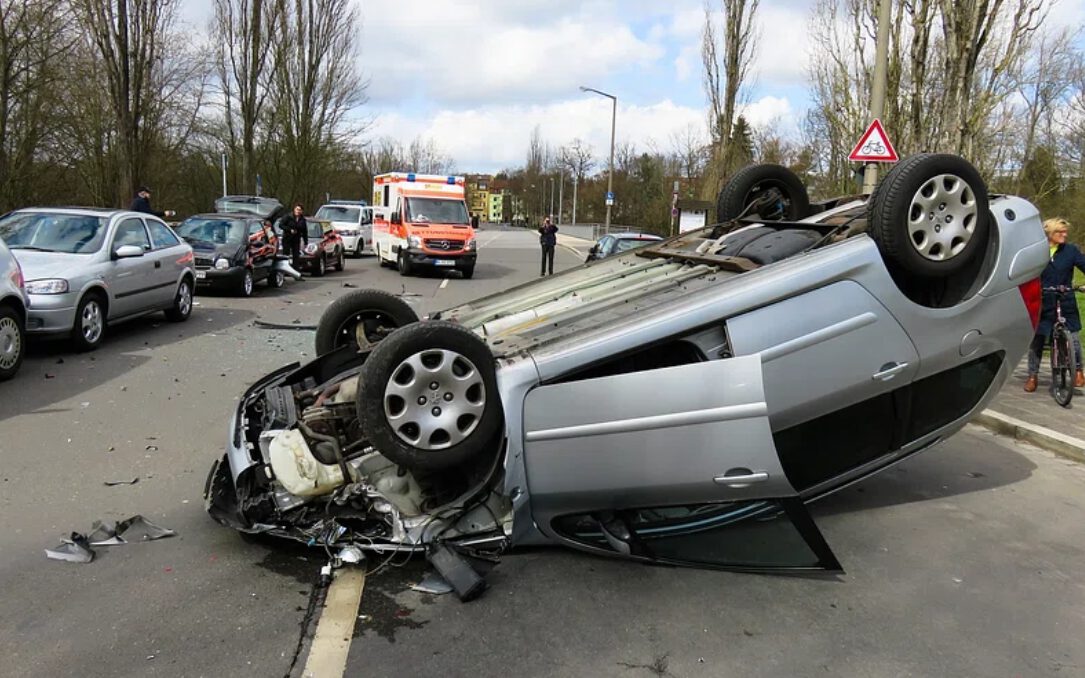
Dead phones during road trips annoy you. Dead families during rollovers destroy you. Yet SUV marketing sells height and heft as ultimate protection while glossing over a fundamental design flaw: these things tip over.
The numbers tell a story your dealer won’t. SUVs roll over 2.5 times more often than passenger cars, according to IIHS data. In 2023, rollovers caused 34% of SUV occupant deaths compared to just 21% for cars. That “commanding view of the road” comes with commanding risk of seeing the sky where asphalt should be.
Physics Meets Marketing
High center of gravity creates the same trade-offs as thin phones with terrible battery life.
Basic physics explains what glossy brochures don’t: tall vehicles with high centers of gravity tip easier. It’s like choosing a MacBook Air—you get portability but sacrifice battery life. SUVs give you cargo space and seating height but trade stability.
Electronic Stability Control helps, reducing SUV rollover deaths by 20-29%, but you can’t completely engineer around fundamental design limitations.
The EV revolution amplifies this problem. Heavy battery packs low in the chassis should improve stability, yet vehicles like the Cybertruck still carry mass high above the road. More weight means more momentum when things go sideways—literally.
The Protection Paradox
Large SUVs shield their occupants while endangering everyone else on the road.
Here’s the uncomfortable truth: big SUVs protect their own occupants brilliantly while creating risks for others. The Jeep Grand Cherokee shows the lowest fatality share in multi-vehicle crashes at just 23%, according to safety data. Your family stays safer inside the metal fortress while families in sedans face increased danger during collisions.
It’s the automotive equivalent of everyone shouting louder to be heard—eventually nobody wins.
Modern safety ratings reflect this arms race mentality. Manufacturers optimize for crash tests between similar-sized vehicles, not the David-versus-Goliath scenarios playing out on actual roads.
The solution isn’t avoiding SUVs entirely but understanding their real capabilities versus marketing promises. Just like you’d research processor speeds before buying a laptop, examine rollover ratings before choosing your daily driver. Physics doesn’t care about your brand loyalty.