Eric was scrolling through pornography when he froze. The couple entering the hotel room looked familiar—because it was him and his girlfriend Emily, filmed without their knowledge three weeks earlier in Shenzhen. Their intimate moments had been livestreamed to thousands of strangers who paid monthly subscriptions to watch unsuspecting hotel guests. Eric had unknowingly transitioned from consumer to victim of an industry he’d supported.
The BBC’s 18-month investigation uncovered a sprawling commercial network operating 180+ hidden cameras across Chinese hotels, generating substantial profits while devastating victims’ lives. This isn’t isolated voyeurism—it’s organized crime masquerading as entertainment.
The Business of Exploitation
Agent “AKA” managed Telegram channels with 10,000 members, selling access to livestreams for 450 yuan monthly ($65 USD). His archive contained over 6,000 clips dating to 2017. BBC estimates show AKA earned at least $22,000 since April 2025—nearly four times China’s average annual income.
The operation runs like any subscription service, except the “content creators” never consented. Subscribers watch real-time feeds, rewind to guests’ arrival moments, and download footage while posting degrading comments about victims. When BBC researchers disabled one camera in Zhengzhou, AKA immediately announced a replacement had been activated, boasting about their “impressive” speed.
Technology Failures and Regulatory Gaps
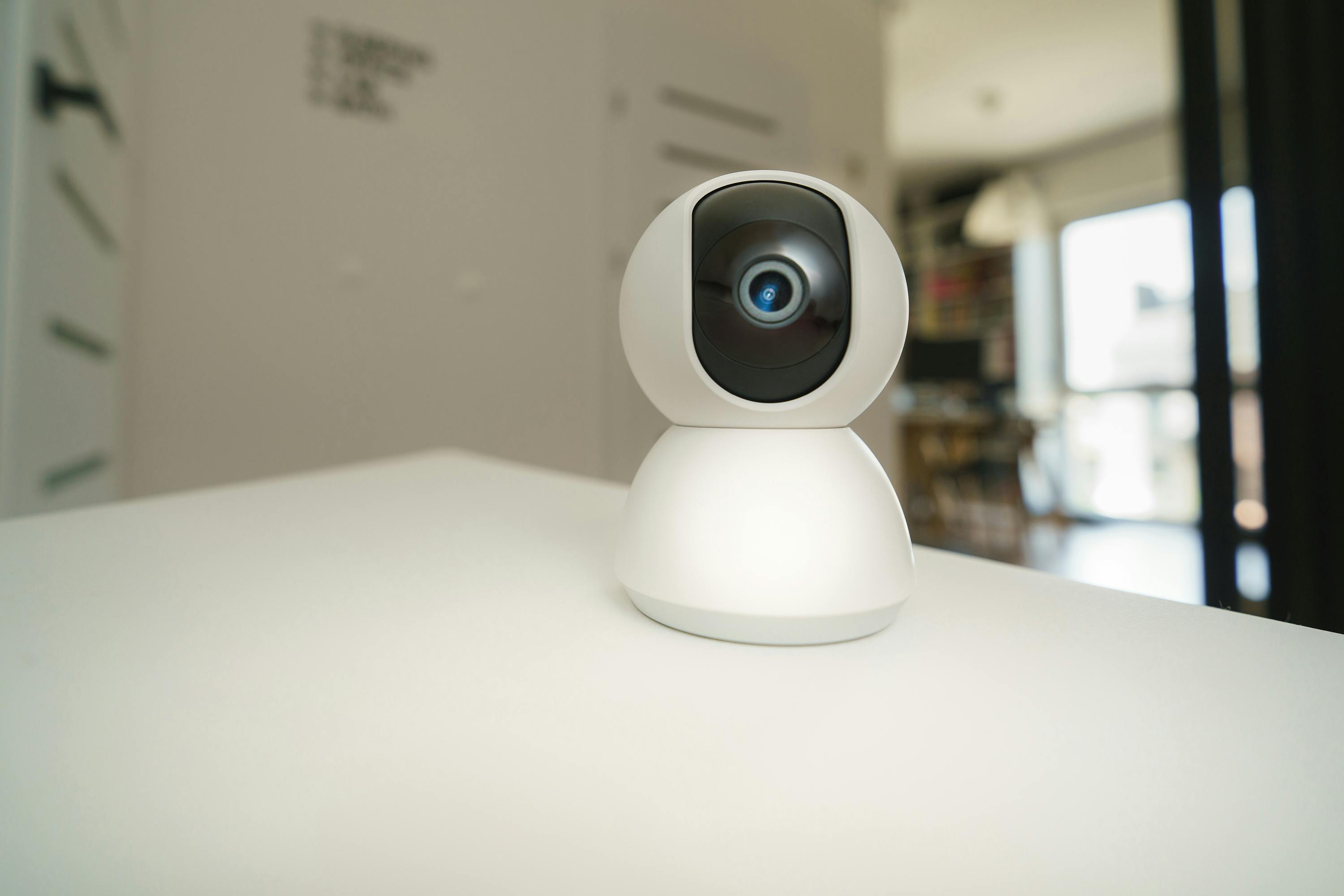
Hidden cameras, small as pencil erasers and wired into building electricity, evade widely-marketed detection devices that travelers now consider “must-haves.” The BBC’s detector failed completely when researchers located a camera in a Zhengzhou hotel ventilation unit.
China introduced regulations in April 2025 requiring hotel camera inspections, yet the practice remains widespread. Meanwhile, spy cameras are easily purchased at major electronics markets like Huaqiangbei. The enforcement gap suggests either inadequate compliance monitoring or insufficient penalties to deter violations.
Platform Accountability Crisis
Blue Li from RainLily NGO, which helps victims remove non-consensual footage, sees increasing requests but minimal platform cooperation. “We believe tech companies share huge responsibility in addressing these problems,” Li told the BBC. “Because these companies are not neutral platforms; their policies shape how the content would be spread.”
When BBC presented Telegram with evidence identifying specific agents and groups sharing non-consensual pornography, the platform didn’t respond. Ten days later, Telegram claimed it “proactively moderates” and removes “millions of pieces of harmful content daily”—yet the livestreaming websites remained operational throughout the investigation.
The psychological toll is severe: Eric and Emily now wear hats in public to avoid recognition and attempt to avoid hotels entirely. Some Chinese women have resorted to carrying tents into hotel rooms. This decade-old problem demands more than policy statements—it requires genuine enforcement that protects victims over profits.