Your $60,000 Tesla came with Full Self-Driving. Then you got a software update, and suddenly that feature requires a monthly subscription. Welcome to the new automotive reality, where buying a car no longer means owning its capabilities.
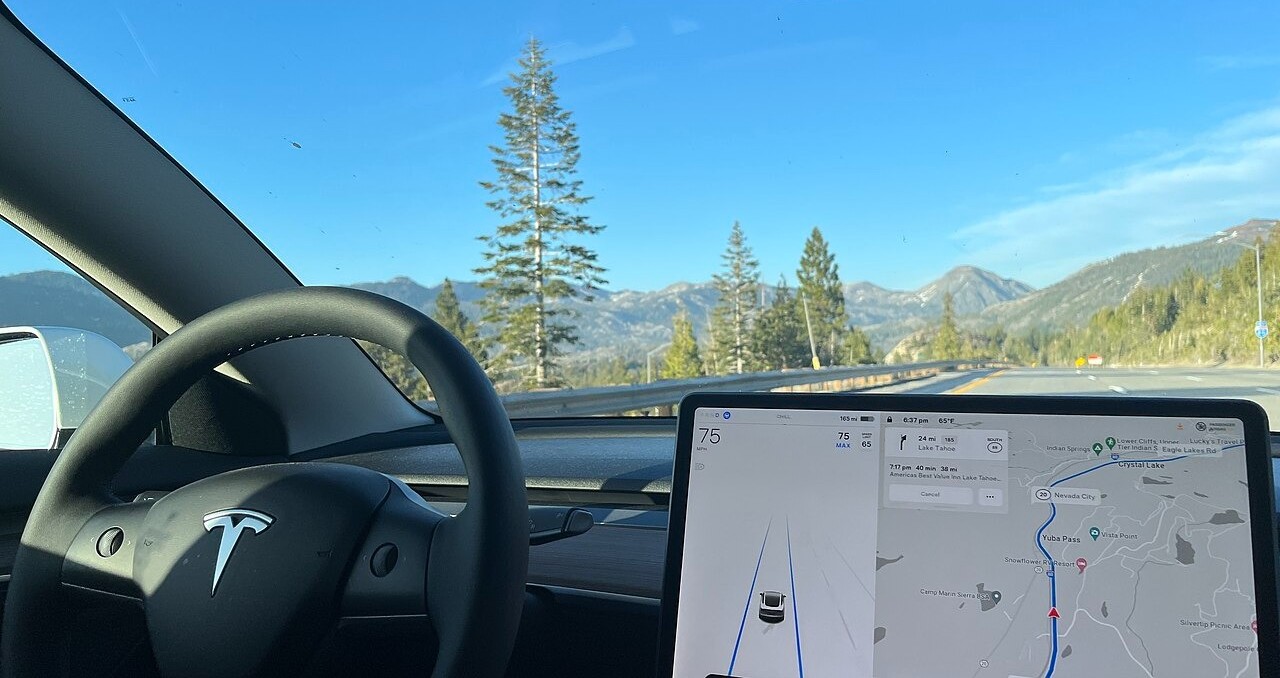
Tesla pioneered this digital sharecropping model and now forces it industry-wide. The company’s Full Self-Driving feature, once a steep $8,000 to $15,000 one-time purchase, becomes subscription-only at $99 monthly starting February 14, 2026. Even basic Autopilot disappears as standard equipment—new Teslas include only Traffic-Aware Cruise Control, while Autosteer joins FSD behind the paywall.
Every Automaker Follows the Formula
The subscription playbook spreads from Tesla to traditional manufacturers seeking recurring revenue.
Tesla’s blueprint spreads faster than a TikTok dance. Ford experiments with subscription acceleration boosts. GM charges $25 monthly for Super Cruise after the first year. BMW famously tried subscription heated seats before backing down from customer outrage. Rivian tests various premium features locked behind digital gates.
The hardware sits in your driveway, fully functional, but software switches determine what you can access. Your steering wheel has all the buttons for adaptive cruise control—you just can’t use them without paying monthly tribute.
Resale Reality Check
Vehicle depreciation accelerates when features don’t transfer to new owners.
This subscription creep devastates resale values in ways the industry won’t discuss openly. Tesla’s FSD transfer program ends March 31, 2026, meaning that expensive autonomous driving capability you bought stays with your traded vehicle, not you.
Regulators finally push back. California’s DMV ruled Tesla’s marketing deceptive in December 2025, with license suspension looming. FSD adoption remains stuck at just 12% despite years of promises, suggesting customers recognize the trap.
Reclaim Your Purchase Power
Smart buyers demand transparency about ongoing costs before signing purchase agreements.
You’re financing a car payment and potentially multiple monthly subscriptions for features already installed. Before signing any EV deal, demand documentation showing which capabilities come standard permanently versus subscription-only.
Research used EVs carefully—previous owners might have lost access to features you assume are included. Ask dealers explicitly about ongoing costs beyond the sticker price. The subscription economy transformed software and streaming. Now it’s coming for your garage, turning car ownership into an extended rental agreement where the landlord holds all the keys.