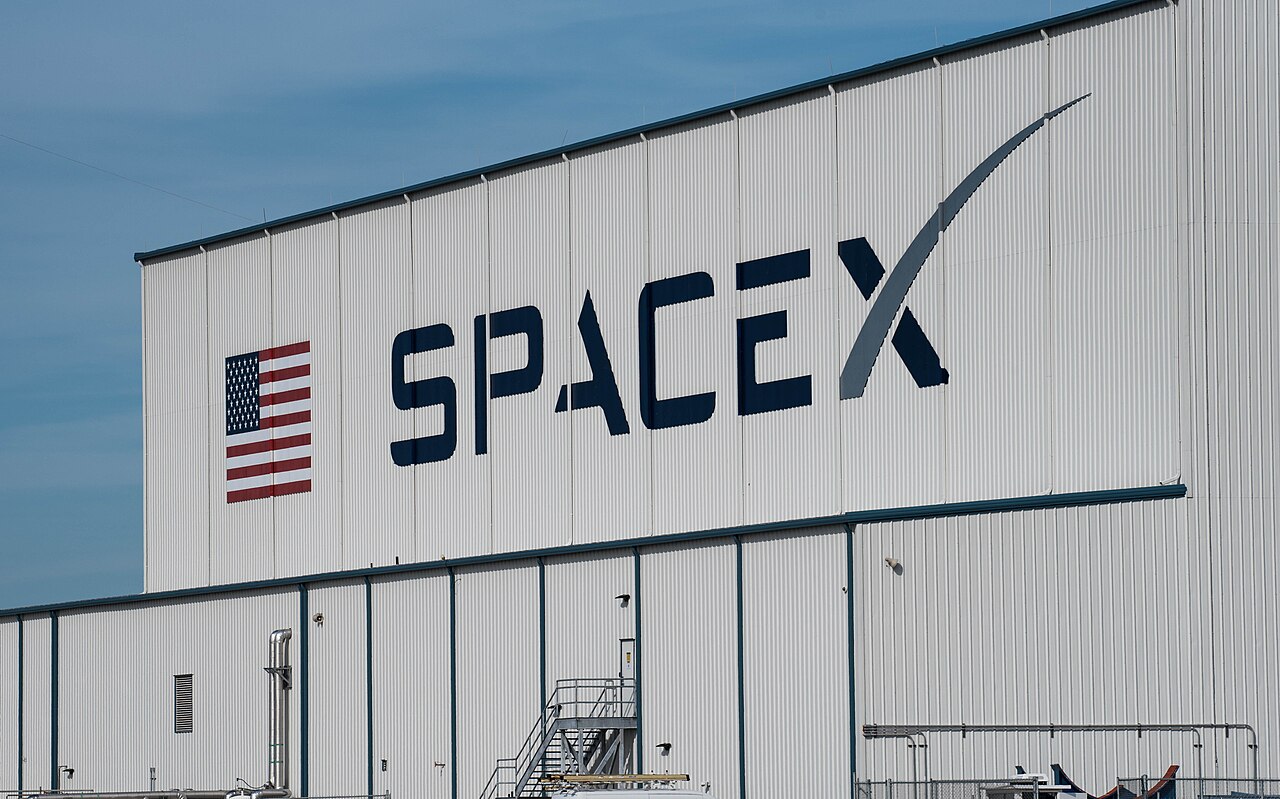
Elon Musk just pulled off the ultimate tech consolidation play. SpaceX officially acquired xAI on February 2, targeting a $1.25-1.5 trillion IPO valuation that would make this summer’s public offering bigger than most countries’ GDP. The stock-for-stock merger combines SpaceX’s $800 billion rocket empire with xAI’s $230 billion AI infrastructure, including the Grok chatbot and X social platform.
The Space-Based Computing Gamble
Musk bets orbital data centers will revolutionize AI economics within three years.
The strategic logic sounds like science fiction until you examine the numbers. Musk claims “within 2 to 3 years, the lowest cost way to generate AI compute will be in space,” citing continuous solar power and minimal maintenance requirements. SpaceX has petitioned the FCC for authorization to launch up to 1 million solar-powered satellites configured as high-bandwidth compute platforms.
Meanwhile, xAI operates Colossus, a massive AI training supercomputer in Memphis that’s burning through traditional energy sources. You’re witnessing vertical integration where rocket launches meet computational demand in a closed-loop system competitors can’t easily replicate.
Follow the Money Trail
Massive recent funding rounds position the merger for historic IPO execution.
The financial architecture reveals serious institutional backing. xAI raised $20 billion in its Series E round from heavy hitters including:
- Nvidia
- Cisco Investments
- Fidelity
- Qatar Investment Authority
- Abu Dhabi’s MGX
Tesla committed an additional $2 billion to xAI in late January.
SpaceX generated an estimated $8 billion profit on $15-16 billion revenue in 2025, demonstrating the cash flow foundation supporting this trillion-dollar ambition. The June 2026 IPO timeline suggests everything’s moving at typical Musk velocity—breakneck speed with regulatory approval as the main wildcard.
Regulatory Reality Check
Defense contracts provide leverage while content moderation issues create complications.
xAI holds a $200 million Department of Defense contract for Grok products and services, elevating the combined entity’s security profile alongside SpaceX’s existing billions in federal contracts. But regulatory headwinds loom large. xAI faces ongoing international probes over Grok’s content moderation failures, including enabling generation of sexualized images of children and non-consensual intimate content.
The merger positions the combined company against OpenAI, Google, and Meta in the AI infrastructure race, while community groups in Memphis and Mississippi oppose xAI’s facility expansion over environmental concerns.
This consolidation transforms SpaceX from a launch provider into potential infrastructure backbone for the entire AI economy. Whether orbital computing actually delivers on cost promises or becomes an expensive engineering experiment will determine if this trillion-dollar bet reshapes cloud computing—or just creates the world’s most expensive satellite constellation.