Record-breaking quarters don’t happen by accident, but Apple’s latest earnings suggest the iPhone 17 caught even Tim Cook off guard. The company posted $143.8 billion in Q1 2026 revenue—a 16% jump that crushed Wall Street’s $138.48 billion estimate, according to Apple’s earnings report.
iPhone Sales Demolish Expectations
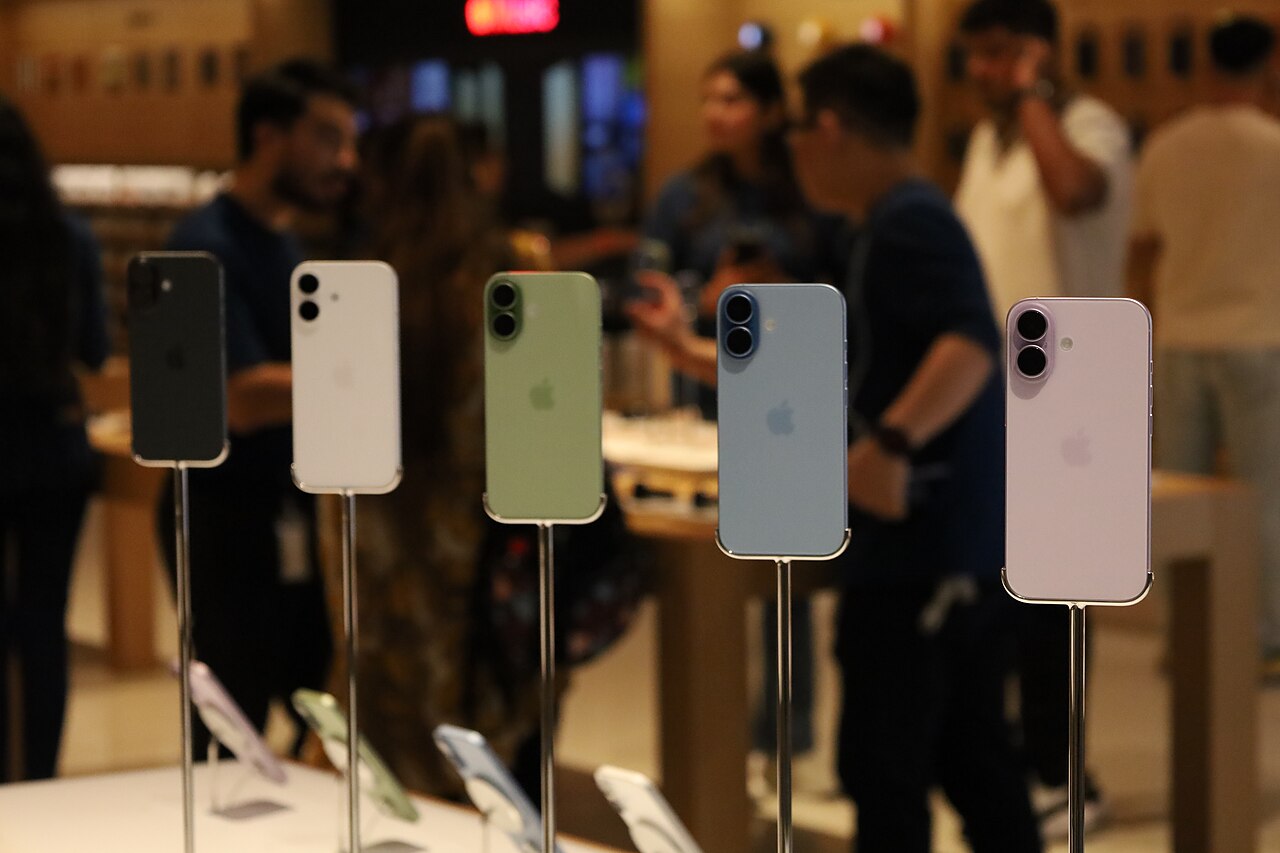
The iPhone 17’s September launch triggered unprecedented demand across all markets.
iPhone revenue alone hit $85.27 billion, up 23% year-over-year and obliterating the $78.65 billion analyst consensus. “The demand for iPhone was just simply staggering,” Cook told investors, and the numbers back up his surprise.
Consumer upgrade cycles apparently aligned with millions of others who decided the iPhone 17’s features were worth the premium. That collective enthusiasm pushed Apple’s active device base to 2.5 billion users—a milestone that transforms every future services launch into a potential goldmine.
China Market Delivers Shocking Growth
Chinese consumers drove a 38% revenue surge that defied regional economic headwinds.
Greater China sales exploded to $25.53 billion, proving that premium smartphones still command loyalty even when economic uncertainty looms. Cook highlighted record upgrade rates in mainland China plus double-digit switcher growth—meaning Android users jumped ship in meaningful numbers.
This reversal matters because China represents Apple’s third-largest market, and sustained growth there insulates the company from potential U.S. market saturation.
Supply Constraints Threaten Q2 Momentum
Strong demand creates its own problems as component shortages loom.
Apple’s guidance reveals the downside of success: Q2 revenue growth of 13-16% sounds healthy until you consider the supply constraints executive Kevan Parekh warned about. Memory prices are climbing due to AI chip shortages, and advanced processor availability remains tight.
Translation: if you’re planning an iPhone upgrade, don’t wait for deals that might not materialize.
The broader ecosystem showed mixed results—Mac revenue dropped 7% while Services grew a steady 14%—but iPhone dominance papers over those concerns. Apple’s ability to generate $85 billion from a single product category in three months makes every other revenue stream feel like a rounding error.