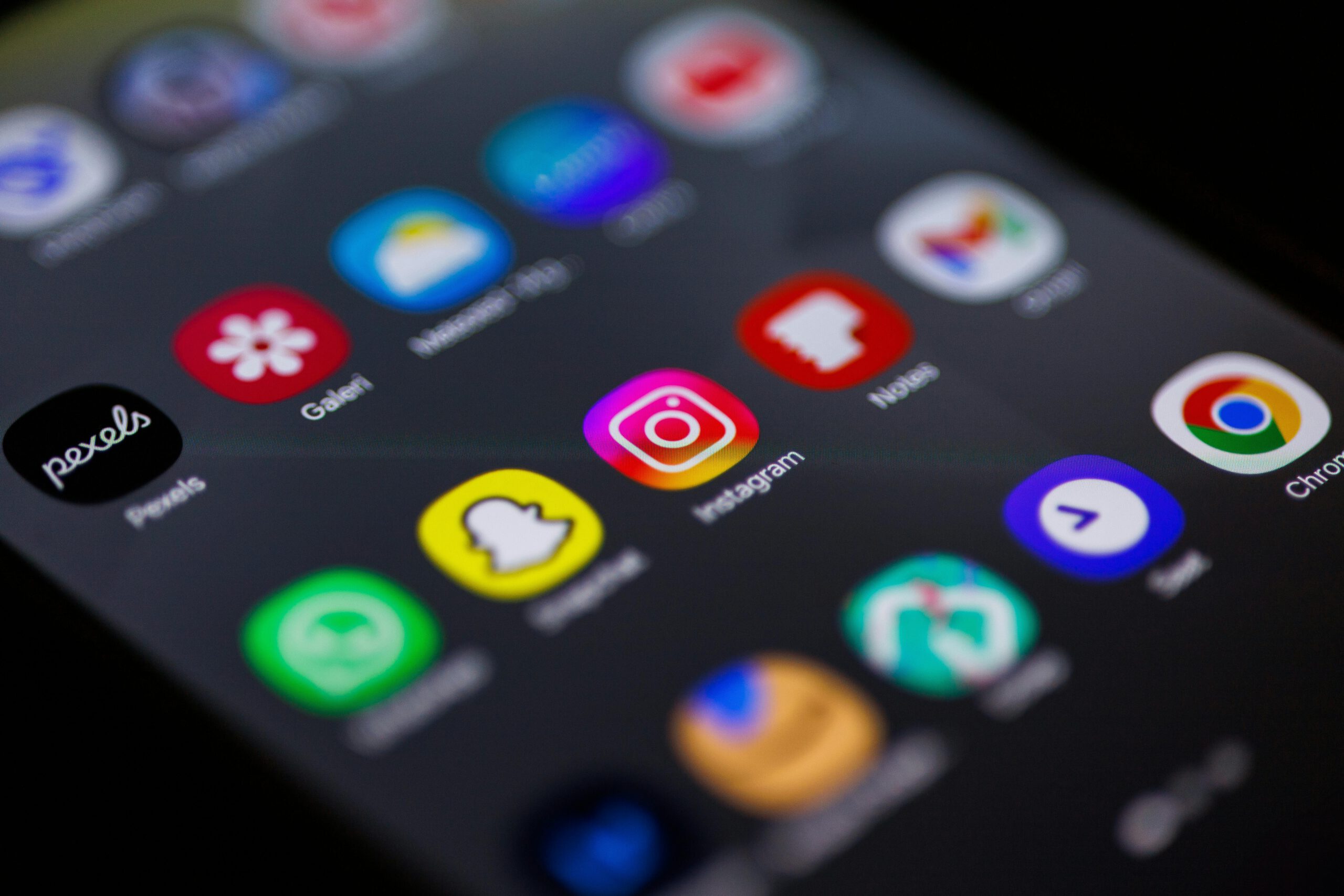
Your phone’s Digital Wellbeing report hits different when it shows you’ve spent 47 minutes on Instagram—and you can’t remember looking at a single post. That wake-up call led to the most liberating digital declutter of 2024: systematically removing eight apps that had turned my smartphone into a slot machine. This wasn’t about rejecting technology; it was about reclaiming agency from platforms designed to hijack attention and redirect it toward productivity.
Breaking the Infinite Scroll Trap
Instagram, YouTube, and Pinterest created endless browsing loops that devoured hours without delivering value.
The first casualties were the scroll-forever triumvirate. Instagram’s curated highlight reels fostered constant social comparison while its algorithm fed an endless stream of content designed to keep you tapping. YouTube’s autoplay feature transformed “quick video breaks” into hour-long rabbit holes of increasingly questionable content recommendations.
Pinterest promised inspiration but delivered procrastination—endless planning boards for projects that never happened. Deleting these apps didn’t eliminate the services; it added crucial friction. Now, YouTube viewing happens intentionally on desktop, while Pinterest planning requires genuine commitment.
Escaping the Anxiety Engine
X (Twitter) and Facebook amplified information overload and emotional reactivity rather than meaningful connection.
X had become an anxiety delivery system disguised as news, with algorithms prioritizing inflammatory content that triggered constant opinion formation about trending controversies. Facebook’s algorithmic feed mixed low-quality content with ads, delivering minimal value despite hours of scrolling.
Removing both platforms eliminated the reflexive phone-checking that punctuated every quiet moment. The relief was immediate—fewer reactionary thoughts, less manufactured outrage, more mental space for focused work.
Restoring Purchase Friction and Learning Depth
Amazon, Duolingo, and Netflix removals revealed how mobile convenience undermines intentional decision-making.
Amazon’s mobile app had become an impulse-spending accelerator, removing every barrier between desire and purchase through one-click ordering and personalized recommendations. Duolingo’s streak system prioritized engagement metrics over actual language retention—maintaining streaks while learning nothing.
Netflix’s mobile browsing interface created decision paralysis, with more time spent choosing than watching. Desktop-only access transformed all three activities: Amazon purchases became deliberate, language learning shifted to self-paced methods, and Netflix viewing became intentional rather than default entertainment.
The revelation wasn’t that these apps are inherently evil—it’s that mobile optimization removes friction that enables thoughtful decision-making. Adding inconvenience back turned compulsive behaviors into conscious choices. Your attention deserves better than being optimized for someone else’s engagement metrics.