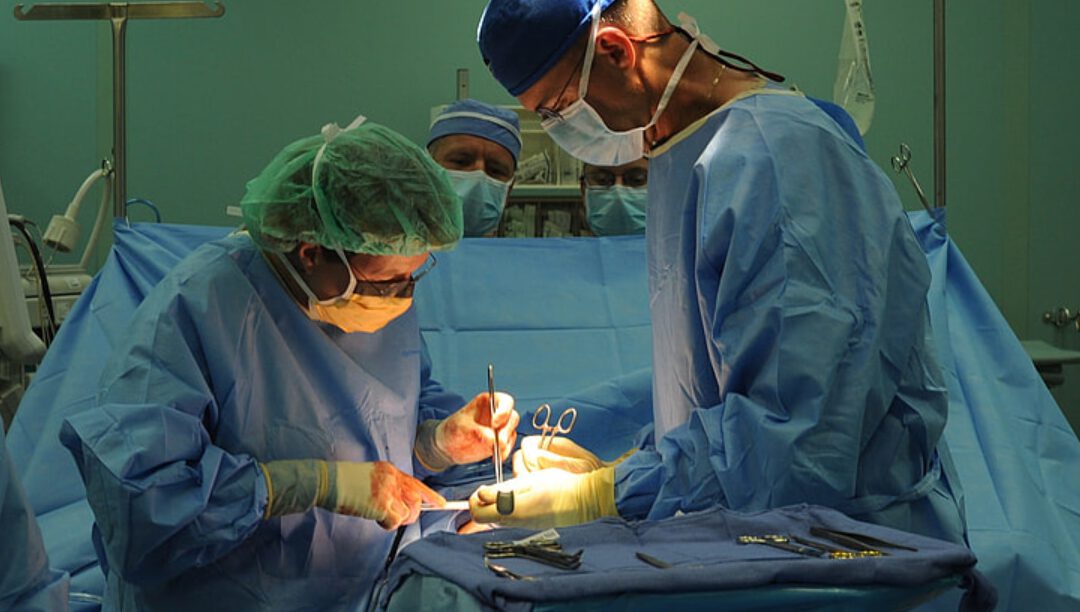
Living without lungs for two full days sounds like science fiction, but Northwestern Medicine surgeons pulled off exactly that feat in spring 2023. Their patient—a 33-year-old Missouri man dying from catastrophic lung infection—survived 48 hours on a custom-built Total Artificial Lung system before receiving a successful double transplant.
When Lungs Become the Enemy
The crisis started with influenza B that spiraled into antibiotic-resistant pneumonia and sepsis. By the time he reached Northwestern Memorial Hospital, his lungs were beyond saving. “When the infection is so severe that the lungs are melting, they’re irrecoverably damaged,” explains lead surgeon Ankit Bharat.
Unlike typical ECMO support that works around damaged organs, molecular analysis proved these lungs had lost their repair cells entirely—like trying to resurrect a phone with a completely fried motherboard.
Engineering Life Support From Scratch
Removing both lungs creates a unique engineering challenge: maintaining blood flow and gas exchange while your chest cavity suddenly has gaping holes where vital organs used to be. The team’s Total Artificial Lung system used custom shunts and pumps to oxygenate blood and remove CO2, plus saline-filled expanders to keep the heart properly positioned.
Think of it as jury-rigging a human into a sophisticated life support machine—except the patient’s life literally depends on every connection working flawlessly.
Beyond Traditional Medicine’s Comfort Zone
Most hospitals would have continued ECMO support hoping for lung recovery. This molecular approach proved that sometimes organs are genuinely unsalvageable, requiring complete replacement rather than assistance. The infection cleared within a day of lung removal—dramatic proof that the organs themselves were the problem.
Bharat notes that young patients die weekly from unrecognized transplant needs during acute infections, a tragedy this approach could prevent.
The Future of Emergency Organ Replacement
Two years later, the Missouri patient lives normally with full heart and lung function—a walking testament to artificial organ possibilities. The success opens doors for standardized TAL devices that could bridge critically ill patients to transplants, expanding options beyond chronic disease cases.
You’re witnessing the early stages of a medical breakthrough where “living without organs” becomes a temporary but viable option, not a death sentence.