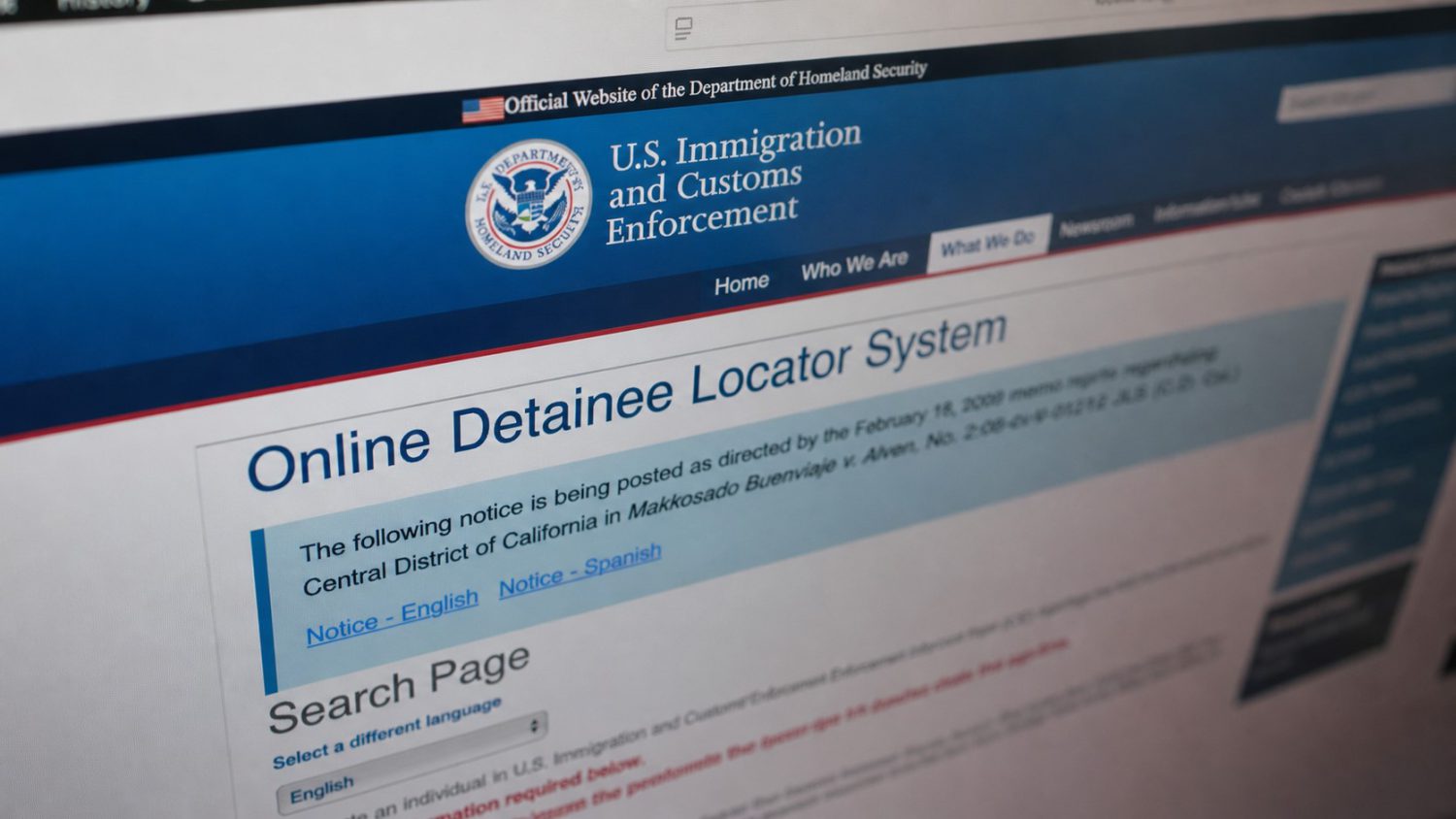
DHS finally disclosed who built ICE’s notorious face-scanning app—and it’s a company you’ve probably never heard of. While you recognize facial recognition from unlocking your phone or those creepy Clearview AI stories, the government version operates on an entirely different scale. NEC Corporation, a Japanese tech giant, powers Mobile Fortify through a $23.9 million contract that transforms immigration enforcement into a biometric dragnet.
The Corporate Pipeline Behind Government Surveillance
NEC’s NeoFace technology turns field agents into walking biometric scanners.
Your average ICE agent now carries more identification power than most police departments. NEC’s NeoFace and Reveal AI systems enable one-to-many matching against federal databases containing over 270 million biometric records. The technology doesn’t just scan faces—it captures contactless fingerprints and extracts text from documents, creating a comprehensive identity verification system that fits in an agent’s pocket.
The 2020-2023 contract granted unlimited facial matching across platforms, essentially giving DHS carte blanche for biometric surveillance deployment. Think of it as facial recognition on steroids, with access to passport photos, visa applications, and criminal databases that most consumers never knew existed.
Deployment Without Safeguards
Mobile Fortify launched with “in progress” oversight despite high-impact designation.
CBP began using Mobile Fortify in early May 2025, followed by ICE on May 20. The app earned high-impact status, supposedly requiring extensive AI impact assessments before deployment. Yet ICE reports these assessments, monitoring protocols, and fail-safes as “in progress”—government speak for “we’ll figure it out later.”
Real consequences have already emerged. One woman faced dual misidentification in a single scan, highlighting the system’s error-prone nature. Your biometric data, once captured, stays in federal databases for 15 years without privacy impact assessments or opt-out mechanisms.
What This Means for Your Privacy
Consumer facial recognition just became government enforcement infrastructure.
The Mobile Fortify revelation connects consumer biometric adoption to government surveillance expansion. While you voluntarily use facial recognition for convenience, this system operates without consent, affecting citizens and immigrants alike. The technology you trust to unlock your phone now powers field enforcement decisions that can separate families or revoke trusted traveler status.
NEC’s integration with existing DHS systems means your Global Entry photo could theoretically feed into immigration enforcement algorithms. Government transparency remains murky, but the corporate pipeline from consumer tech to surveillance state runs clearer than ever.