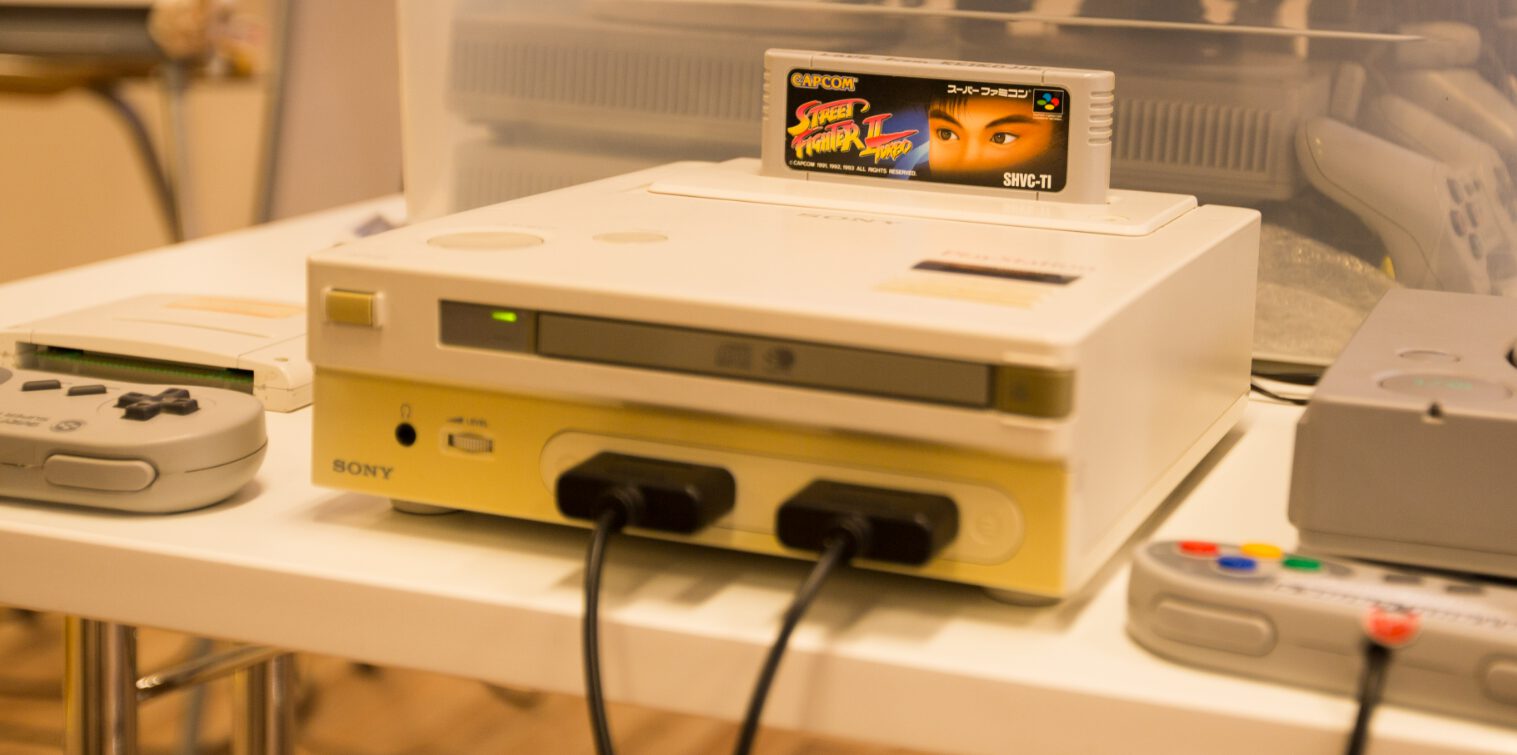
Back in 1988, Nintendo needed Sony’s expertise with CD-ROM technology for a Super Nintendo add-on. Ken Kutaragi, a Sony engineer tinkering with sound chips, engineered what should have been a beautiful partnership. The “Play Station” prototype looked promising at CES 1991—until Nintendo’s executives pulled their ultimate power move.
On day two of the conference, Nintendo announced they’d partnered with Philips instead. You don’t humiliate a company like Sony in front of the entire industry and expect them to just walk away.
The Underdog Engineer Who Saw the Future
Kutaragi faced skepticism from his own company. Sony executives dismissed video games as toys for children—a fatal miscalculation that nearly killed the project. But Kutaragi understood something Nintendo missed: CD-ROM technology could store massive games while slashing production costs compared to expensive cartridges.
His team moved under Sony Music’s umbrella, recruiting talent while Nintendo smugly counted cartridge profits. The PlayStation emerged with everything developers craved:
- Fast certification
- Low royalties
- Creative freedom
David vs. Goliath Gets a Price Tag
When Sega shocked E3 1995 with their Saturn’s surprise $399 launch, Sony executive Steve Race walked on stage and delivered just two words: “Two-ninety-nine.” The crowd exploded. That hundred-dollar difference wasn’t just pricing—it was psychological warfare.
The PlayStation launched with Ridge Racer showcasing polygon graphics that made everything else look ancient. The PS1 sold 100,000 units on day one in Japan.
Revenge Served Ice Cold
The numbers tell the revenge story perfectly. Over 102 million PS1 units sold worldwide, generating 40-58% of Sony’s profits by the late 1990s. Nintendo and Sega’s combined sales couldn’t match it.
Sony transformed gaming culture itself. Final Fantasy VII and Metal Gear Solid proved games could be cinematic experiences for adults, not just kids’ entertainment. The PlayStation brand became synonymous with cool—something Nintendo’s family-friendly image never achieved.
Thirty years later, PlayStation remains gaming’s most valuable brand. Nintendo’s betrayal didn’t just cost them a partnership—it created their most dangerous competitor.