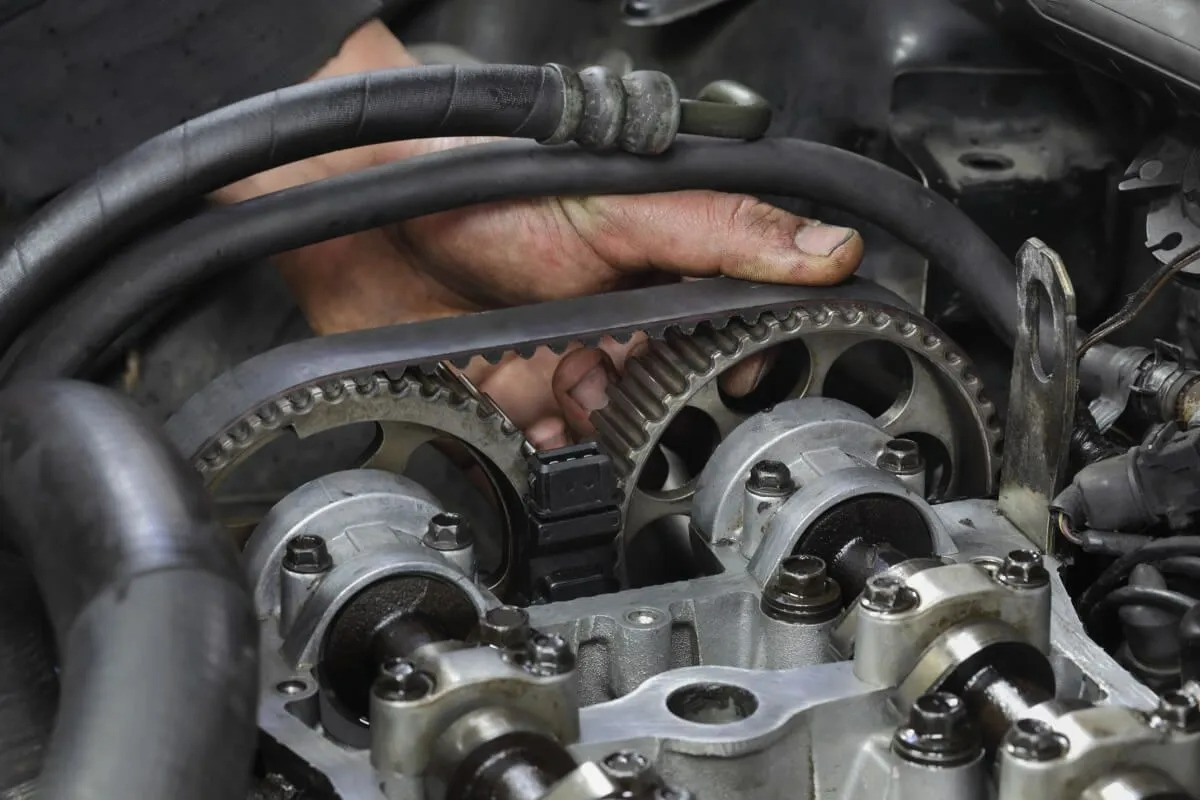
Your engine’s death spiral starts with a $25 rubber belt. When that serpentine belt snaps—and it will—multiple systems fail simultaneously, creating a cascade of mechanical disasters. What begins as a roadside inconvenience escalates into catastrophic engine damage faster than you can call AAA. Yet catching this disaster early takes less time than checking your Instagram and can be part of broader DIY car maintenance.
When Everything Goes Wrong at Once
The serpentine belt drives your alternator, power steering pump, air conditioning compressor, and crucially, your water pump. When this single belt fails, you lose electrical charging, steering assistance, and engine cooling in one brutal moment. Your engine overheats within minutes, warping cylinder heads and cracking engine blocks. That’s where the nightmare begins—complete engine replacement or rebuild costs that make buying a different car seem reasonable.
Without proper cooling circulation, your engine becomes a very expensive paperweight. The overheating damage spreads through critical components like wildfire through dry brush, destroying everything in its path.
The Visual Inspection That Saves Everything
Pop your hood and examine the serpentine belt’s surface for:
- Cracking
- Dry rot
- Rib separation
Healthy belts look smooth and uniform; failing belts show obvious deterioration, like a phone screen after too many drops. Check for glazing—that shiny, hardened appearance that means the rubber has lost its grip. Frayed edges or chunks missing from the belt ribs signal immediate replacement time.
This 10-second scan, performed monthly, catches problems before they strand you or destroy your engine. Think of it as insurance for your transportation—except this policy costs nothing and takes less time than finding your keys.
The Math That Should Terrify You
Professional serpentine belt replacement typically runs several hundred dollars, depending on your vehicle’s complexity and local labor rates. Most belts last tens of thousands of miles under normal conditions, making replacement a predictable maintenance expense. Compare that modest cost against major engine repairs or complete replacements that can reach five figures.
The financial logic is overwhelming: spend a manageable amount proactively or potentially lose your entire vehicle to preventable damage. Your serpentine belt won’t send calendar reminders before failing.
Make that 10-second visual check part of your routine—before checking your oil, before washing your car, before that belt turns your reliable transportation into an expensive lesson in prevention versus repair.