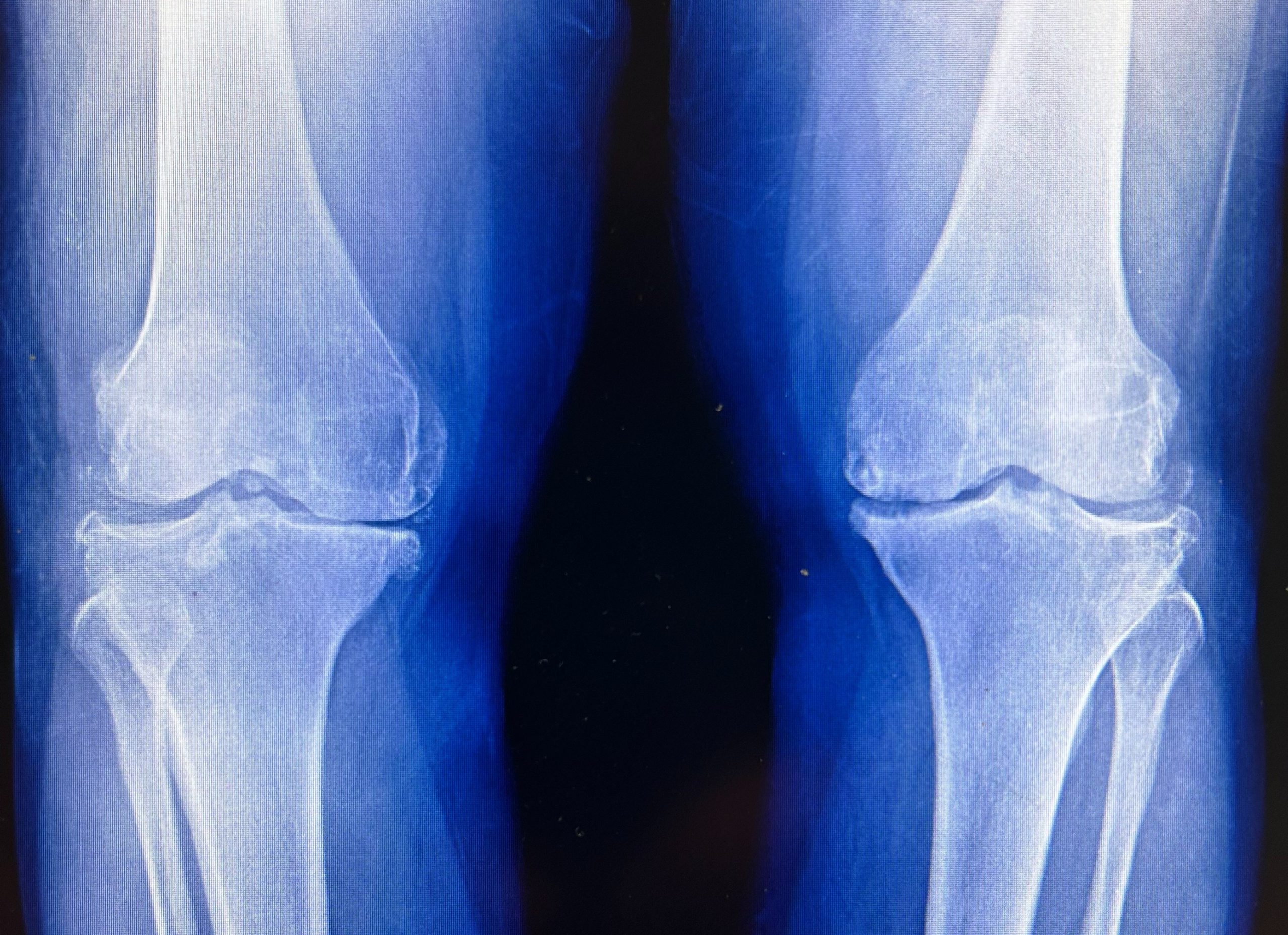
Your creaky knees might not be a life sentence after all.
That grinding sound when you climb stairs? The post-workout ache that lingers for days? Stanford Medicine researchers just published findings in Science that could rewrite the rulebook on joint degeneration. Their breakthrough targets a protein called 15-PGDH—think of it as the villain in your cartilage’s story—and early results suggest we might finally have a way to regenerate knee cartilage without surgery.
The Aging Protein That Destroys Your Joints
Here’s where it gets interesting. As you age, levels of 15-PGDH roughly double in your knee cartilage. This protein essentially breaks down the good stuff your joints need to repair themselves—specifically something called prostaglandin E2.
When Stanford researchers blocked 15-PGDH in aged mice, something remarkable happened: their cartilage didn’t just stop deteriorating, it actually regenerated. The joint surfaces thickened, and mobility improved. No stem cells required—just reprogrammed existing cartilage cells doing what they used to do when you were younger.
From Lab Bench to Human Tissue
The team didn’t stop at mice. They tested their 15-PGDH inhibitor on actual human knee tissue from patients getting joint replacements. After just one week of treatment, the tissue showed new cartilage formation and reduced signs of degeneration.
“This gerozyme inhibitor causes dramatic regeneration of cartilage beyond any other drug,” says co-author Nidhi Bhutani. When mice with ACL-like injuries received twice-weekly injections for four weeks, they avoided developing arthritis entirely—a finding that should make every weekend warrior pay attention.
The Road to Your Doctor’s Office
Before you start calling orthopedic clinics, know this: the same 15-PGDH inhibitor is currently in Phase 1 trials for age-related muscle weakness, and those results look promising. Stanford has licensed the technology to Epirium Bio, co-founded by lead researcher Helen Blau, who calls this “a new way of regenerating adult tissue with significant clinical promise for treating arthritis.”
The company hopes to begin cartilage-focused trials soon, targeting a condition that affects 55 million Americans and costs $65 billion annually in healthcare expenses.
This isn’t another overhyped longevity moonshot. It’s targeted medicine addressing one of aging’s most universal complaints. Whether you’re dodging knee replacement surgery or just want to keep playing pickup basketball into your sixties, regenerating cartilage might soon move from science fiction to standard care.