Your phone addiction isn’t a personal failing—it’s a design feature. Americans now spend 5 hours and 16 minutes daily on their devices, a 14% jump from last year alone. You check that glowing rectangle 144 times per day, tapping and swiping 2,617 times. Nearly 90% of people grab their phones within 10 minutes of waking up, turning morning anxiety into a daily ritual.
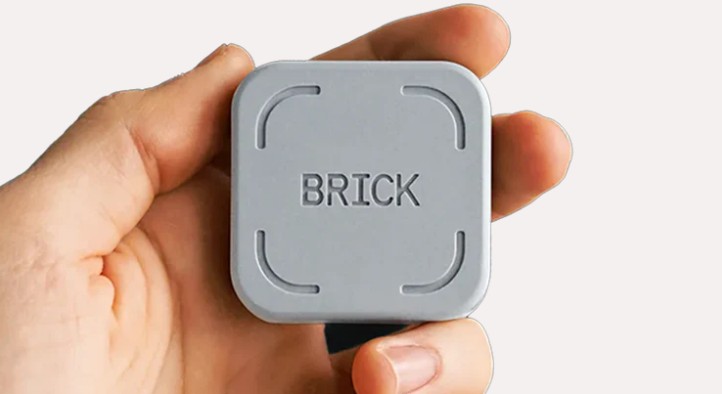
The tools meant to help—Screen Time limits, Do Not Disturb modes, app timers—crumble the moment you need them most. When work stress peaks or boredom strikes, overriding these digital guardrails takes exactly one tap. That’s where The Brick offers a different approach, looking like a rejected Apple charger but promising what software never could: actual friction.
How a $59 Block Creates Real Barriers
The Brick operates on delicious irony—you need a physical object to enforce physical presence. This 3D-printed magnetic square pairs with an iOS app through NFC technology. Tap your iPhone against the block to activate focus mode, which locks you out of Instagram, TikTok, email, or whatever apps destroy your concentration.
Here’s the clever part: your phone stays blocked until you physically return to retrieve the device. No override buttons. No “just five more minutes” negotiations. Want to doom-scroll? Walk to wherever you stashed The Brick, which should be inconvenient enough to make you reconsider.
Early adopters report implementing 2-3 hour focus blocks for deep work, with some describing the productivity boost as genuinely transformative. The $59 one-time cost eliminates subscription fatigue while supporting multiple iPhones—perfect for couples creating shared accountability.
Reality Check on Limitations
The Brick’s biggest weakness mirrors its strength—it’s entirely dependent on your commitment to the system. Place it too conveniently and you’ll defeat the friction mechanism. Hide it too well and you might abandon the habit entirely during stressful periods when focus matters most.
Android users remain completely excluded from this solution, eliminating roughly 50% of global smartphone users. Social situations can feel awkward when you need to physically retrieve a blocking device, potentially limiting real-world adoption during family dinners or group hangouts.
Still, for iPhone users who’ve exhausted digital-only solutions and recognize their scrolling habits as genuinely problematic, The Brick offers something different: accountability that can’t be dismissed with a swipe. Sometimes the most obvious solutions—adding friction between you and temptation—work precisely because they’re obvious.