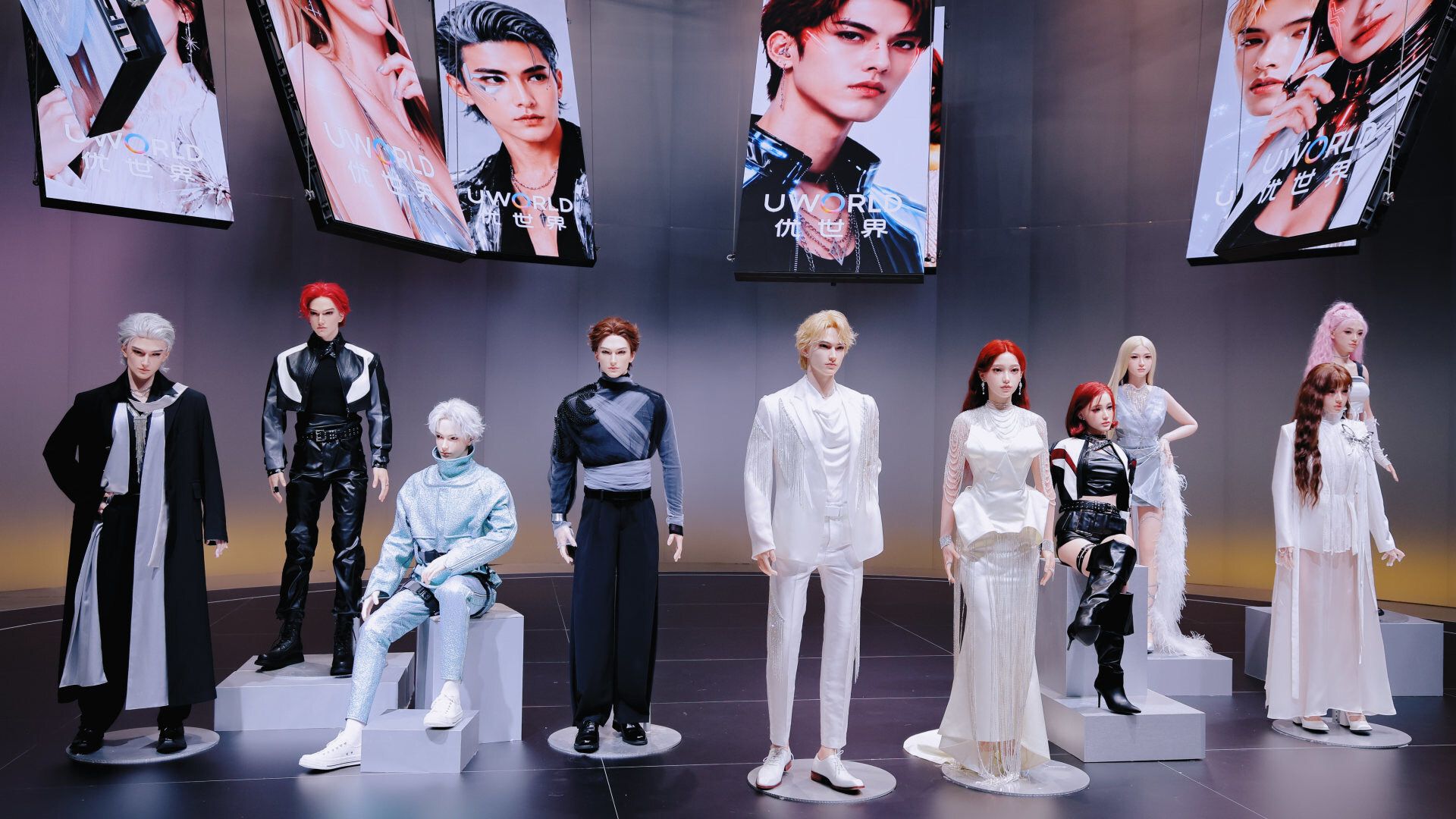
A full-size humanoid robot that reportedly recognizes more than 20 emotional states with over 90% accuracy just debuted — and it’s not headed to a warehouse. Unveiled at UBTech’s 2026 Global Launch Event, the UWORLD U1 is billed as the world’s first full-size ultra-bionic humanoid built for mass-production consumer use, according to PR Newswire. First shipments are planned for mid-September 2026. This is either a genuine lifeline for isolated people or the most expensive conversation partner ever sold.
What the U1 Actually Does
Eighty-eight joints, an emotion-reading AI brain, and a lip-sync faster than your own reflexes.
Running on 88 degrees of freedom and a dual-pivot cervical spine, the U1 reportedly replicates up to 90% of fundamental human movements. Its emotion-aware large language model reads facial expressions, voice tone, and rhythm simultaneously — like a therapist who never checks the clock. A proactive care engine means no wake word needed; the robot reads the room and initiates conversation based on context.
Key specs worth noting:
- Emotion recognition across 20-plus states at a claimed accuracy exceeding 90% — unverified by any third party
- Agent Memory OS that remembers your preferences, moods, and conversations across sessions
- 2–4 hours of battery life per charge
- Local encrypted data storage with Wi-Fi connectivity
- Price tag of approximately US$30,000 at launch in China
UBTech has not published independent test data for any of these figures.
Where It Gets Complicated
A demographic crisis, voiceprint cloning, and a regulatory landscape that hasn’t caught up.
UBTech isn’t pitching this as a novelty. China has over 90 million adults living alone and 118 million “empty-nest” older adults, with an estimated 10–20% meeting clinical mental health disorder criteria, according to Interesting Engineering. The company’s Human-Robot Companionship Initiative plans to donate 100 customized U1 units in 2026, each built with 3D facial reconstruction and voiceprint replication — meaning the robot can wear the face and voice of someone you lost.
If that sounds like the Black Mirror episode “Be Right Back,” you’re not imagining things.
That detail deserves more scrutiny than any spec sheet provides. The claimed 90% emotion-recognition accuracy has zero independent verification. Battery life caps at four hours, making this an episodic companion rather than a continuous presence. At $30,000, humanitarian framing sits awkwardly on a luxury product. And identity replication of deceased or absent loved ones occupies ethical territory no formal regulatory framework has touched yet — territory already scarred by tech scandals that exploited vulnerable users long before regulators responded.
The U1 is a technical achievement that arrived well before the ethical infrastructure needed to handle it — much like the Robotic Knee Exoskeleton debate revealed how quickly real-world robotics outpaces safety and ethical norms. Whether it becomes genuine support for vulnerable people or an expensive mirror for loneliness wrapped in biomimetic skin — that answer won’t come from a launch event. It’ll come from the living rooms where these things actually land.