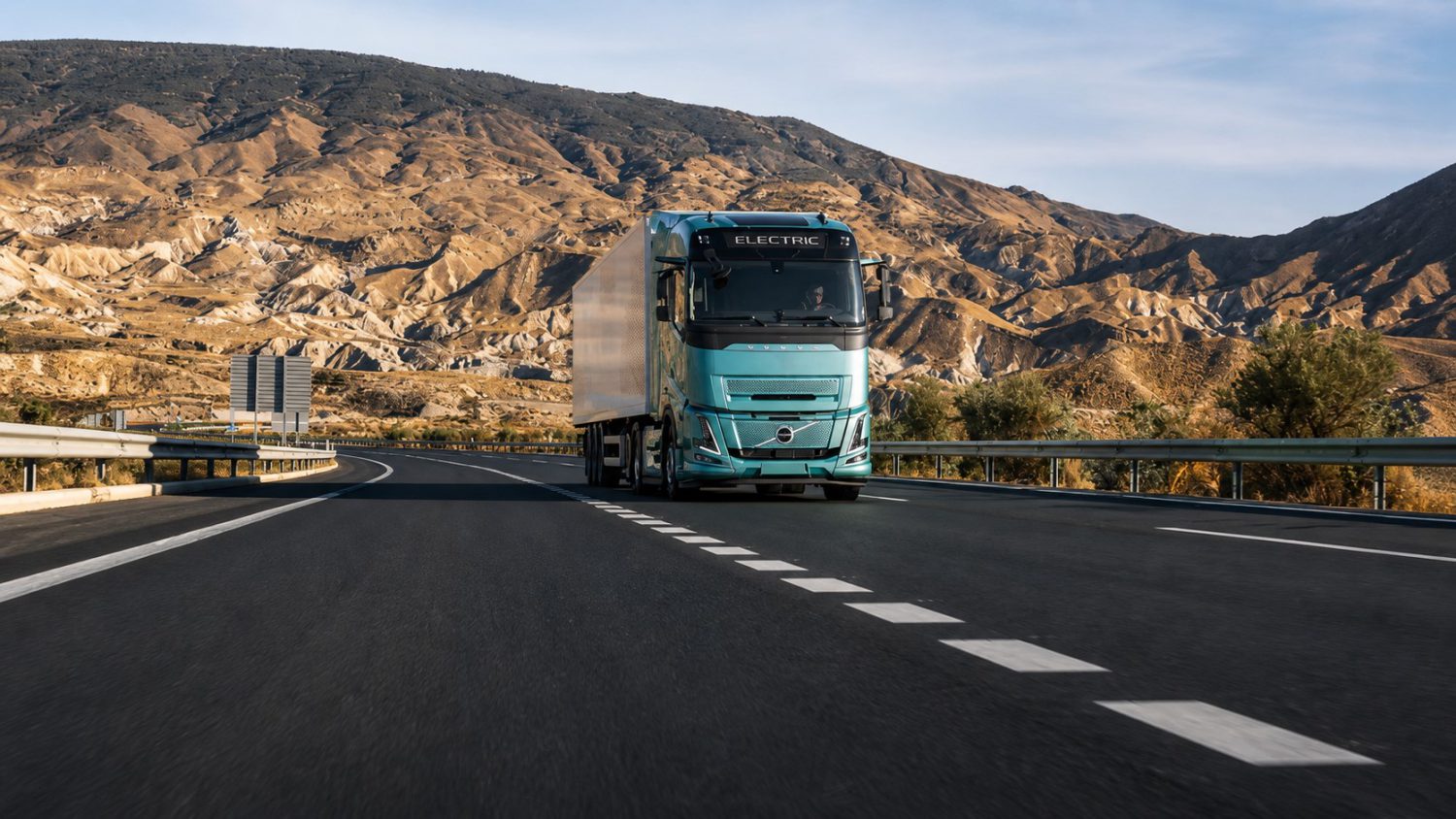
A fully loaded electric tractor covering 435 miles before touching a charger is no longer a concept truck on a stage. Volvo launched the FH Aero Electric Extended Range in April 2026, and series production began at its Tuve plant in Gothenburg that September.
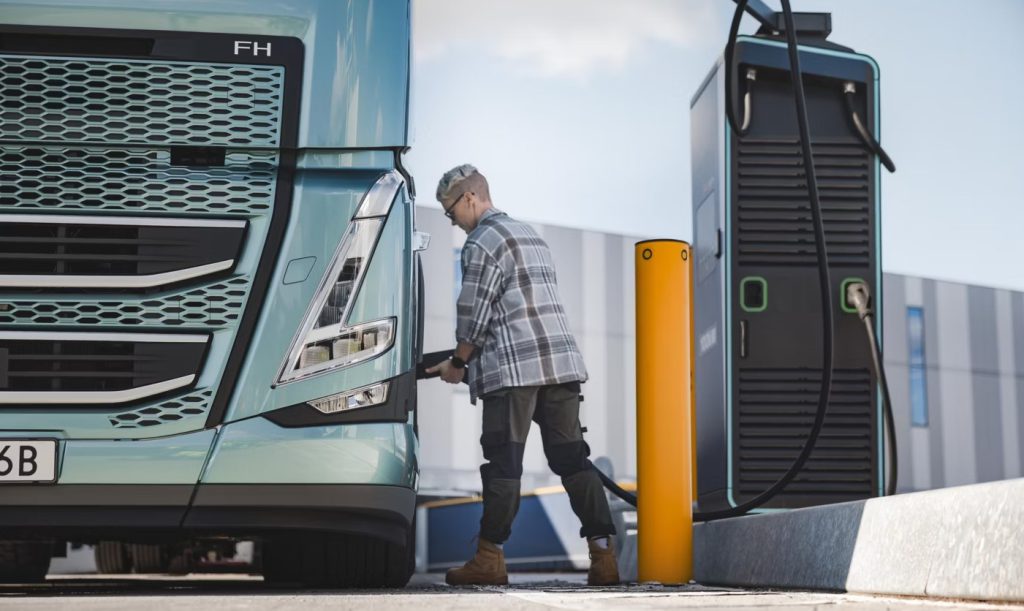
The number that matters most to fleet planners is not the range figure. It is 50 minutes: the time required to charge the truck from 20% to 80% using a Megawatt Charging System at 700 kW. That window fits inside mandatory EU driver rest periods, meaning the charging stop does not add time to the route. Diesel’s operational rhythm was always the benchmark, and this truck is built around it , a reality worth exploring in any gas vs diesel cost comparison.
An E-Axle Does the Heavy Lifting
The engineering behind the range increase starts with a new e-axle driveline. Placing the electric motors directly inside the axle frees up chassis space that Volvo used for additional battery packs, pushing net usable capacity to approximately 725 kWh, according to Electrive. The previous FH Electric managed roughly 300 km; the new extended-range model claims up to 700 km (435 miles).
The broader lineup covers multiple freight and vocational missions:
- FH Aero Electric Extended Range: up to 700 km (435 miles), approximately 725 kWh net battery capacity
- FH, FM, and FMX Electric versatile models: up to 470 km (292 miles), 20–80% charge via CCS in approximately 65 minutes
- Heavy rigid variant for 88-ton gross combination weight (Sweden/Finland markets): 640 kWh usable, approximately 280 miles at 71 tons and approximately 261 miles at 82–84 tons
- MCS charging: 700 kW, 20–80% in approximately 50 minutes; CCS2 at 350 kW takes approximately 85 minutes
- International Truck of the Year 2027, awarded to the full electric heavy-duty lineup
“With longer ranges, maximum flexibility across different applications and excellent drivability, it’s easier than ever to go electric,” said Roger Alm, President of Volvo Trucks, per the company’s April 2026 announcement.
Where Diesel Routes Meet the Rest Break Window
The 50-minute MCS charge is the operational argument Volvo is making to freight operators. Structure a long-haul route around legal rest breaks, and the charging stop becomes invisible in the schedule. Volvo is careful to note that real-world range depends on payload, weather, wind resistance, and driver behavior, so the 435-mile figure represents a ceiling, not a guarantee.
The 88-ton rigid variant addresses a specific market reality. Sweden and Finland permit gross combination weights well above the standard European limit, and those heavy regional corridors have been difficult to electrify. At approximately 82 tons, the rigid variant still delivers around 261 miles of range per charge, according to Volvo Trucks data.
Series production is already underway at Tuve, with manufacturing also planned for Ghent, Belgium. Orders for the FH, FM, and FMX Electric models opened in summer 2026, and some heavier variants will roll out from early 2027. Volvo reports “very positive” customer response to the lineup, though pricing has not been disclosed publicly.
“We are now turning groundbreaking technology into industrial reality,” Alm said in Volvo’s September 2026 production announcement. “Starting series production of our new electric trucks is a clear proof of our commitment to lead the transformation to more sustainable truck transport.”
Fleet decision-makers should note that independent data on battery degradation, winter performance, and long-cycle durability is not yet available. Production began only in September 2026, so the truck’s case still rests on Volvo’s specifications and early operator impressions. The variable Volvo cannot resolve from Gothenburg is MCS infrastructure density along your specific routes. That gap will determine whether the 50-minute promise holds in practice.