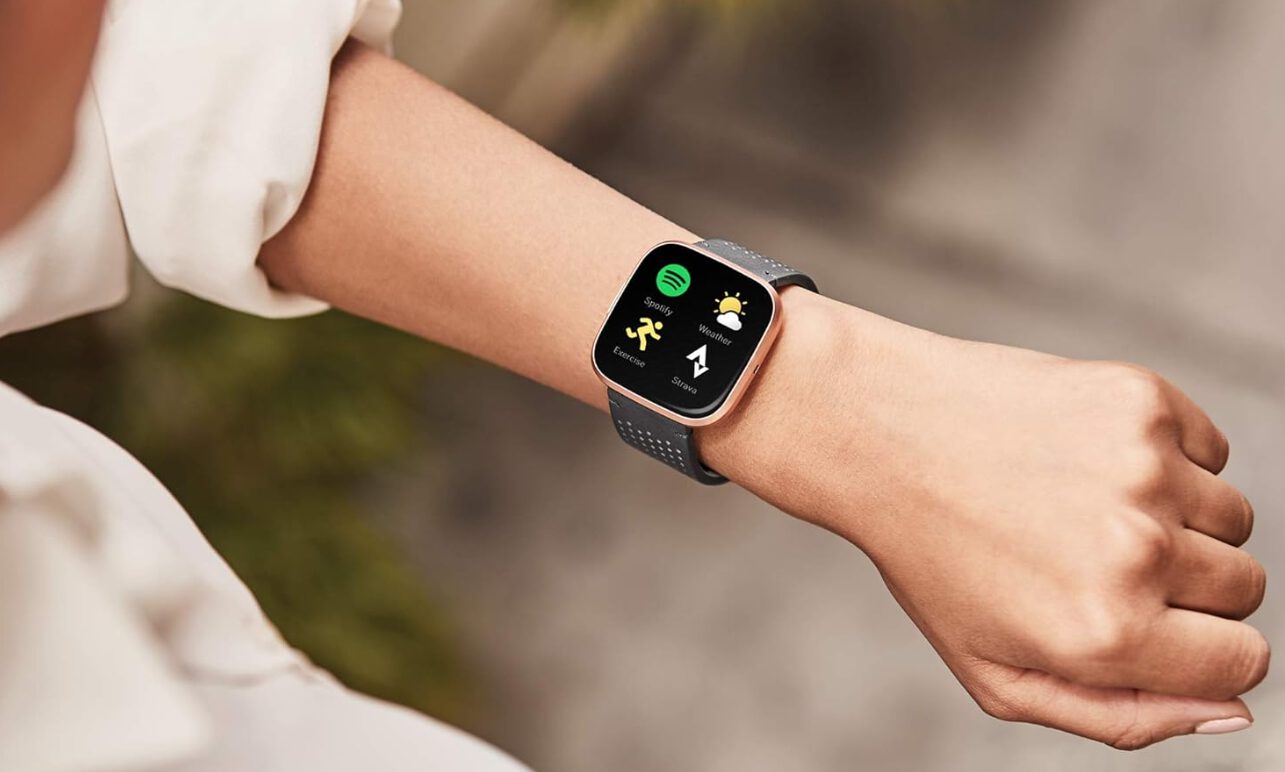
That Fitbit tracking your morning run also monitors when you have sex. Your period app knows if you’re trying to get pregnant—and who you’re trying with. Digital pills for schizophrenia report whether you actually swallowed them. Welcome to the Internet of Bodies, where your most intimate data becomes someone else’s business model.
Law professor Andrea Matwyshyn coined the term in 2016 to describe this creepy evolution: networked devices that turn your body into a walking data center. The concept spans three generations, from external fitness trackers monitoring steps and breathing patterns to internal pacemakers and digital pills, eventually reaching neural implants that meld with human tissue.
Your Health Data Lacks Legal Protection
Consumer health devices operate outside HIPAA protections, creating a Wild West of biometric surveillance. Flo, used by 48 million women to track menstrual cycles, also logs mood, temperature, sexual partners, and location data. Premom sold reproductive information to Google and Chinese firms before the FTC slapped them with fines in 2023. BetterHelp shared mental health data with Facebook, earning a $7.8 million FTC penalty in 2022.
Mozilla’s privacy audit delivered the brutal verdict: most mental health apps fail basic privacy standards. When MyFitnessPal got hacked, 150 million users’ personal data flooded the dark web like a digital oil spill.
The FBI’s Biometric Dragnet Keeps Growing
The FBI’s Next Generation Identification system houses the world’s largest biometric database—voice prints, palm scans, facial recognition, iris patterns, tattoos, and fingerprints. Their CODIS system contains 21.7 million DNA profiles. States retain newborn DNA for decades; New Jersey keeps it for 23 years and uses it to solve crimes.
Here’s the terrifying part: police can collect your “abandoned” DNA from shed skin or saliva without warrants. Face recognition led to Nijeer Parks spending 10 days in jail for a crime he didn’t commit.
Legal Loopholes Enable Mass Surveillance
The Fourth Amendment protects against forced blood draws but not public face scans or DNA you unknowingly leave behind. No federal biometric privacy law exists—only Illinois BIPA regulates private companies. Courts increasingly treat smart device data as “abandoned property,” similar to DNA evidence.
Future AI will detect your gait, emotions, and DNA traces from the environment. As Matwyshyn warns, “IoB will test our norms and values as a society.”
Your body is betraying secrets you never agreed to share. The question isn’t whether this violates privacy—it’s whether anyone in power still cares about stopping it.