Missing the 2000s? That decade gave us tech that changed how we talked, had fun, and showed off. Some became the building blocks of today’s gadgets. Others were expensive dead ends we still love anyway. Here’s what mattered back when phones were just phones and your media collection determined your status.
10. T9 Texting: Thumb Olympics

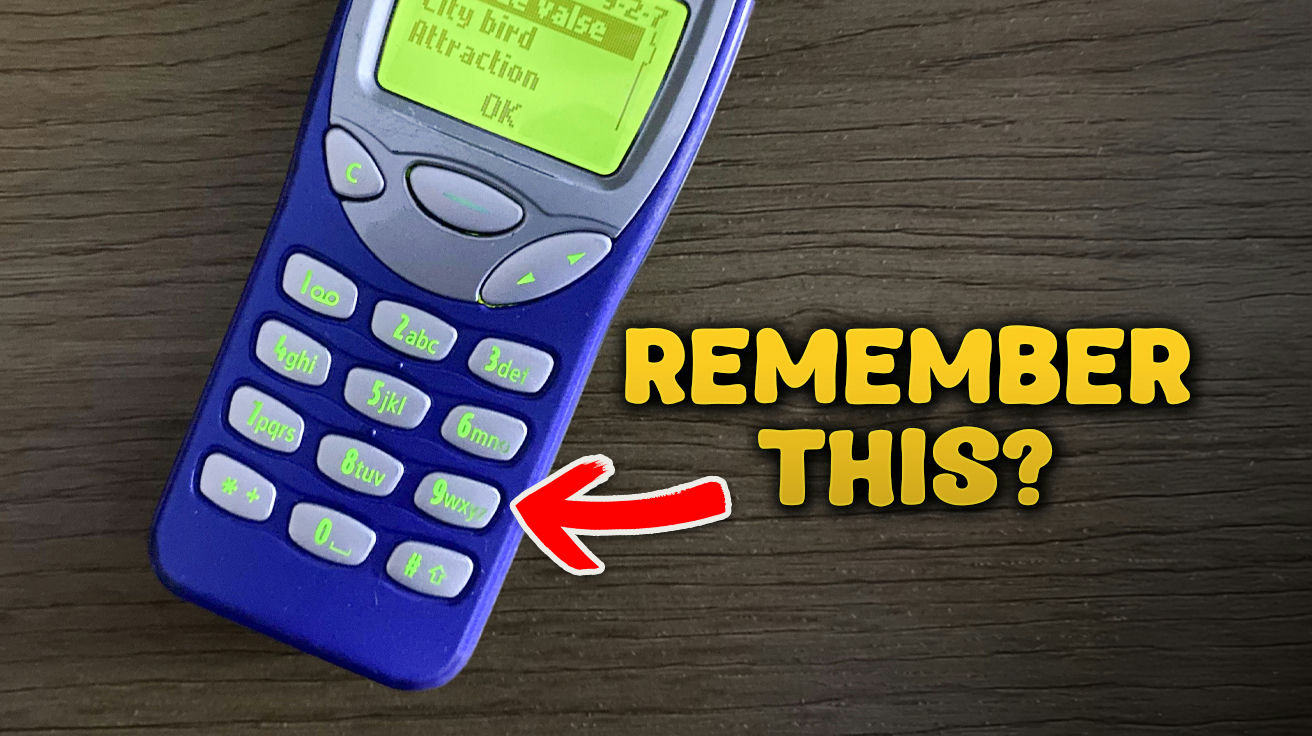
Remember pressing 4 twice, 3 twice, then 5 three times just to type “hello”? T9 tried to fix this mess by guessing your words. When it worked, you felt like a texting wizard. When it failed, you scrolled through weird options while friends waited.
This made texting a strange skill that a whole generation mastered. Today’s touch keyboards make those old number pads look ancient. Anyone who mastered T9 deserves a medal for surviving the dark ages of mobile messaging.
9. MySpace: Your Top 8 Friends Defined You

Before Facebook made everything blue boxes, MySpace let you create wild profile pages. You could add music, glitter, and eye-burning backgrounds. It taught basic HTML while killing good design for years.
Your Top 8 friends list caused weekly drama. Tom was everyone’s first friend whether you wanted him or not. MySpace crashed under its own chaos, but it paved the way for Instagram. Just with more blinking text and bad design choices.
8. Netflix DVDs: Red Envelopes of Joy

Those red envelopes saved movie night for millions tired of Blockbuster late fees. Netflix launched its DVD-by-mail service in 1998. You could get films and whole TV seasons without leaving home. This changed how we watched shows.
Waiting for returns and new arrivals created a strange suspense. “No late fees” was the killer feature. But you had to plan days ahead. The service ran until 2023. Today’s viewers would rather delete Instagram than wait three days for their next episode.
7. Paying for Ringtones: $2.50 Sound Clips

Nothing screams bad money choices like paying $2.50 for 15 seconds of “Crazy Frog.” Yet millions bought these tiny clips for their Nokia phones. This industry hit $6 billion in U.S. revenue by 2006. That’s billion with a B.
Ringtones were the first microtransactions before app stores existed. Your ringtone was a status symbol. It somehow justified the crazy price. This scam died when smartphones let us make custom ringtones for free.
6. DVD Box Sets: Own Your Shows Forever

Before streaming, DVD box sets meant you were serious about a TV show. These packages often cost $50-$80. But you got something streaming can’t offer: you owned it forever. No monthly fees. No shows vanishing overnight. This bold approach to creating cool gadgets influenced product design across numerous industries.
They came with commentaries, deleted scenes, and extras. Your DVD shelf showed your taste. Now it just shows you haven’t cleaned up lately. At least physical media never needs Wi-Fi to work. If you love retro tech, check out vintage gadgets that used to be everywhere.
5. Dance Dance Revolution: Gaming That Burned Calories

Before fitness games were cool, Dance Dance Revolution had teens stomping on plastic mats in arcades. This Japanese rhythm game mixed video games with actual exercise. Crowds gathered to watch players sweat through songs.
The arcade experience created a shared spectacle. Studies proved DDR was a real workout. It burned calories like actual exercise. This might be the only video game that helped people lose weight instead of gain it. Want more on classic tech? See the best retro technology for a nostalgia trip.
4. SoBe Drinks: Bottles Over Beverage

These glass bottles with lizard logos held drinks with supposed health benefits. But let’s be real. You bought them because they looked cool. SoBe built its brand on that bottle. That’s why their switch to plastic in 2007 felt like a betrayal.
The drinks ranged from OK to weird. But the glass bottle made you feel healthier than your Mountain Dew friends. SoBe proved we’ll pay extra for sugar water in cool bottles. Smartwater and others still use this trick today.
3. Paper Maps: Never Needed Charging

Before Google Maps told you where to turn, paper maps required actual skills. You needed to know how to read them. And how to fold them back – a rare talent. These paper sheets caused more car arguments than radio stations and backseat driving combined.
Paper maps taught your brain to understand space in ways GPS can’t match. They never lost signal. They never needed updates. They worked as emergency blankets in a pinch. Today’s drivers would drive off a cliff before learning to read a map. For more navigation tools, check out the best GPS devices for bikes.
2. Style Network: Fashion TV Before Instagram

Before Instagram fashion gurus, Style Network brought style tips to your TV. Shows like “The Look for Less” and “Clean House” helped you upgrade your clothes and home on a budget.
The channel’s sudden rebrand to Esquire Network in 2013 dumped its female viewers. This grab for male audiences failed. The network shut down in 2017. It’s a lesson for brands: don’t ditch the fans who made you successful.
1. Jessica Simpson’s Dessert Beauty: Edible Makeup

In peak 2004 excess, Jessica Simpson launched beauty products you could eat. Whipped body cream with sprinkles? Cupcake perfume? Nobody asked for these. Yet they flew off Sephora shelves.
The line sold well at first. Then it vanished after legal fights between manufacturers. Today, collectors pay big money for these items. Dessert Beauty proved that with enough star power, people will buy anything – even vanilla frosting for their skin.