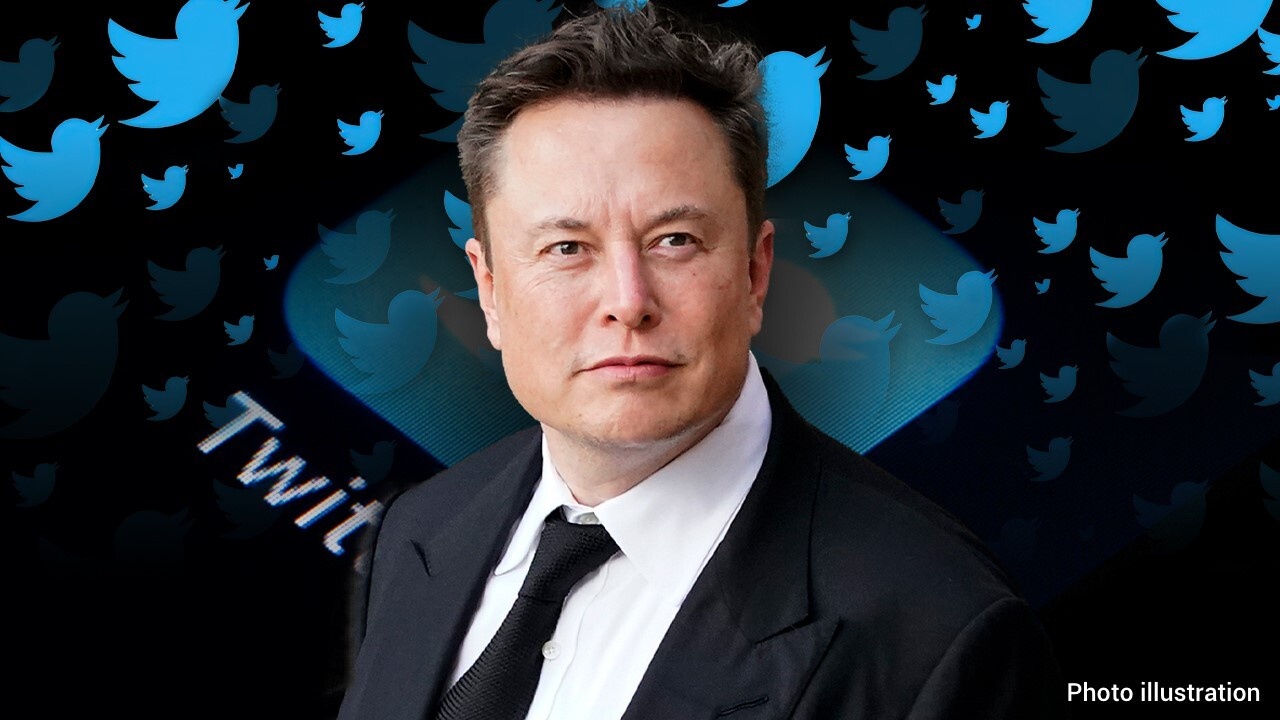
You’ve probably posted a video with background music without thinking twice about licensing. That casual content creation just became the center of a legal battle. X is betting a March Supreme Court ruling will torpedo the music industry’s $250 million lawsuit over unlicensed songs in user videos.
The platform filed court papers two days after the Cox Communications v. Sony Music Entertainment decision, arguing the ruling fundamentally changes how courts can hold tech companies liable for user piracy. Justice Clarence Thomas wrote that Cox “neither induced infringement nor provided a service tailored to infringement”—language X believes applies directly to social media platforms hosting user content.
Music Publishers Fight Back Hard
Seventeen publishers claim X ignored 300,000 takedown notices and gave verified users special treatment.
The National Music Publishers’ Association isn’t backing down. Their coalition includes heavy hitters like Sony, Universal, and Concord, who’ve been sending X roughly 300,000 copyright notices since late 2021. Publishers claim X responded sluggishly and treated verified accounts—including those Elon Musk personally endorsed—with kid gloves during enforcement.
Judge Aleta Trauger already dismissed most claims in March 2024, but kept alive contributory infringement allegations tied to X’s enforcement failures. The publishers argue their hosting role and policy lapses distinguish their case from Cox’s internet service provider situation.
Your Content Sharing Hangs in Balance
This legal battle could reshape how platforms police copyrighted music in viral videos and Stories.
The RIAA calls Cox “narrow” and applicable only to passive internet providers, not platforms actively hosting content. If X wins, expect looser content moderation across social media—think TikTok dances with chart-topping hits facing fewer takedowns. Publishers worry this creates a free-for-all that devastates artist revenue streams.
X argues its platform serves “substantial lawful uses” beyond music piracy, unlike file-sharing services the Supreme Court condemned in earlier rulings. The company wants judgment without trial, claiming even Cox’s harsher facts—including employee emails saying “F the DMCA”—couldn’t establish liability.
This case will likely define whether your viral moment gets nuked for background music or thrives in a more permissive landscape. The stakes couldn’t be higher for both creators and the platforms they call home.