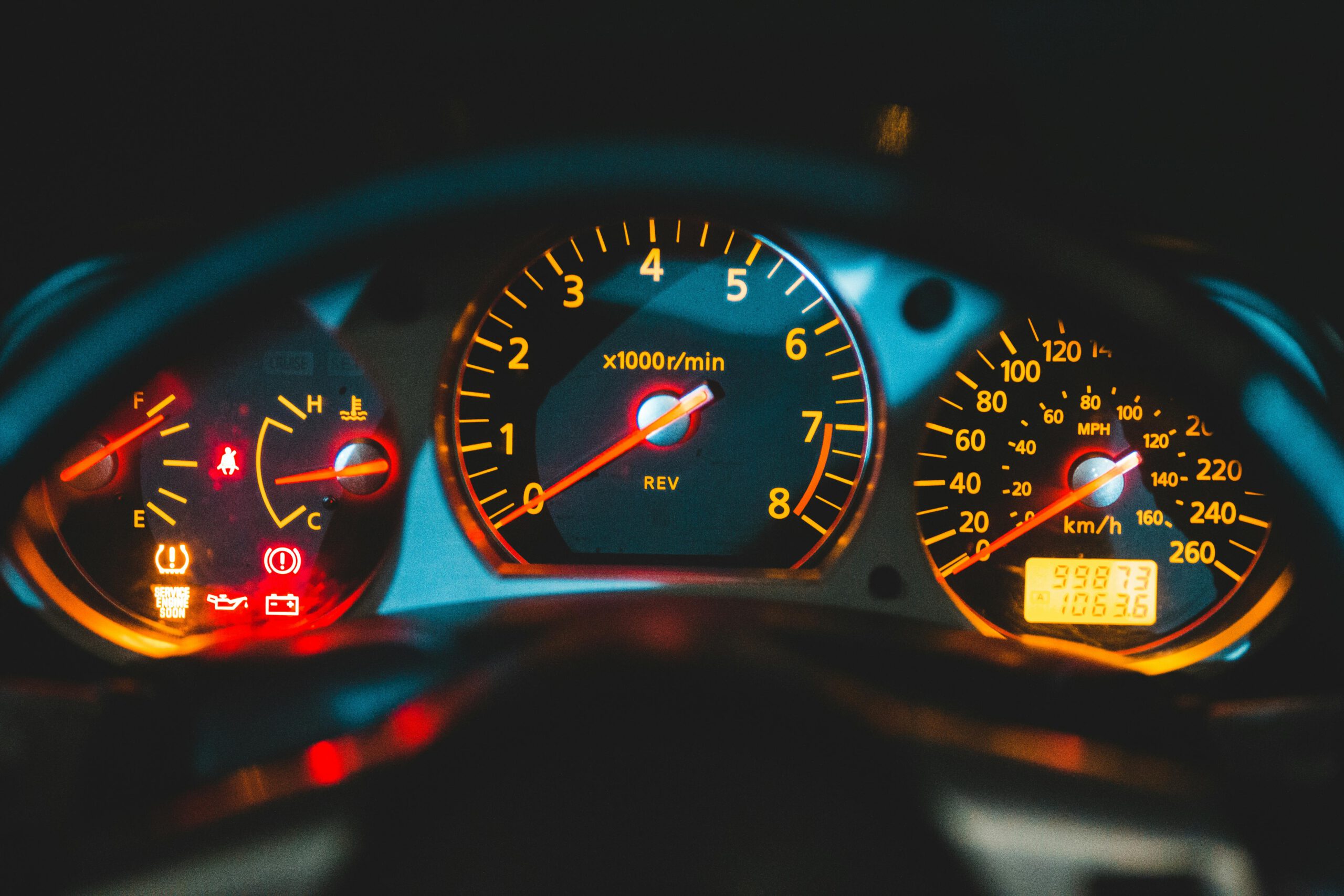
Dashboard warning lights trigger the same panic response as a check engine light at 2 AM—your wallet starts sweating before your brain kicks in. That glowing horseshoe with an exclamation point means your Tire Pressure Monitoring System detected something, and your first instinct involves scheduling a $150 diagnostic appointment. But here’s the plot twist: you can probably fix this with nothing more than a tire gauge and five minutes of your Saturday morning, just like other DIY car fixes.
Your Spare Tire Is the Secret Culprit
Most TPMS warnings stem from the forgotten fifth wheel hiding under your truck.
Since 2007, federal regulations require TPMS sensors in every tire—including that spare you haven’t thought about since buying the vehicle. While your daily drivers cruise at 32-35 PSI, that full-size spare demands 60 PSI to stay happy.
Temperature swings, storage locations, and time slowly deflate it below the sensor’s threshold, triggering that dashboard drama. Your car’s computer doesn’t distinguish between “driving tire low” and “spare tire sad”—it just screams for attention.
The Fix Takes Less Time Than a TikTok Scroll
Locate, check, inflate, drive—your TPMS light disappears like it never existed.
- Crawl under your SUV or pop that rear gate to find your spare
- Check the sidewall for proper PSI (usually 60)
- Use a digital tire gauge to measure current pressure
- Add air via portable compressor or gas station pump
Most spares sit around 40-45 PSI when “low,” so you’ll need to add air. The key insight: drive above 25 mph for a few minutes after inflating. The system automatically recalibrates and kills that warning light.
This works for roughly 80-90% of intermittent TPMS alerts. A quality digital gauge costs $15, while a decent 12V compressor runs $30—both pay for themselves after one avoided dealer visit.
When DIY Hits Its Limits
Blinking lights and dead sensors require professional intervention.
If your TPMS light blinks before staying solid, you’re dealing with sensor battery failure or malfunction. These components last about 10 years before dying, requiring $50-100 replacement per wheel.
Cold weather can also mimic leaks—tires lose 1 PSI per 10-degree drop, so winter mornings often trigger false alarms that resolve with warmer temperatures.
Check all tires monthly, including that spare. Your wallet will thank you for catching pressure drops before they become roadside emergencies or expensive diagnostic mysteries, especially when considering overall car costs.