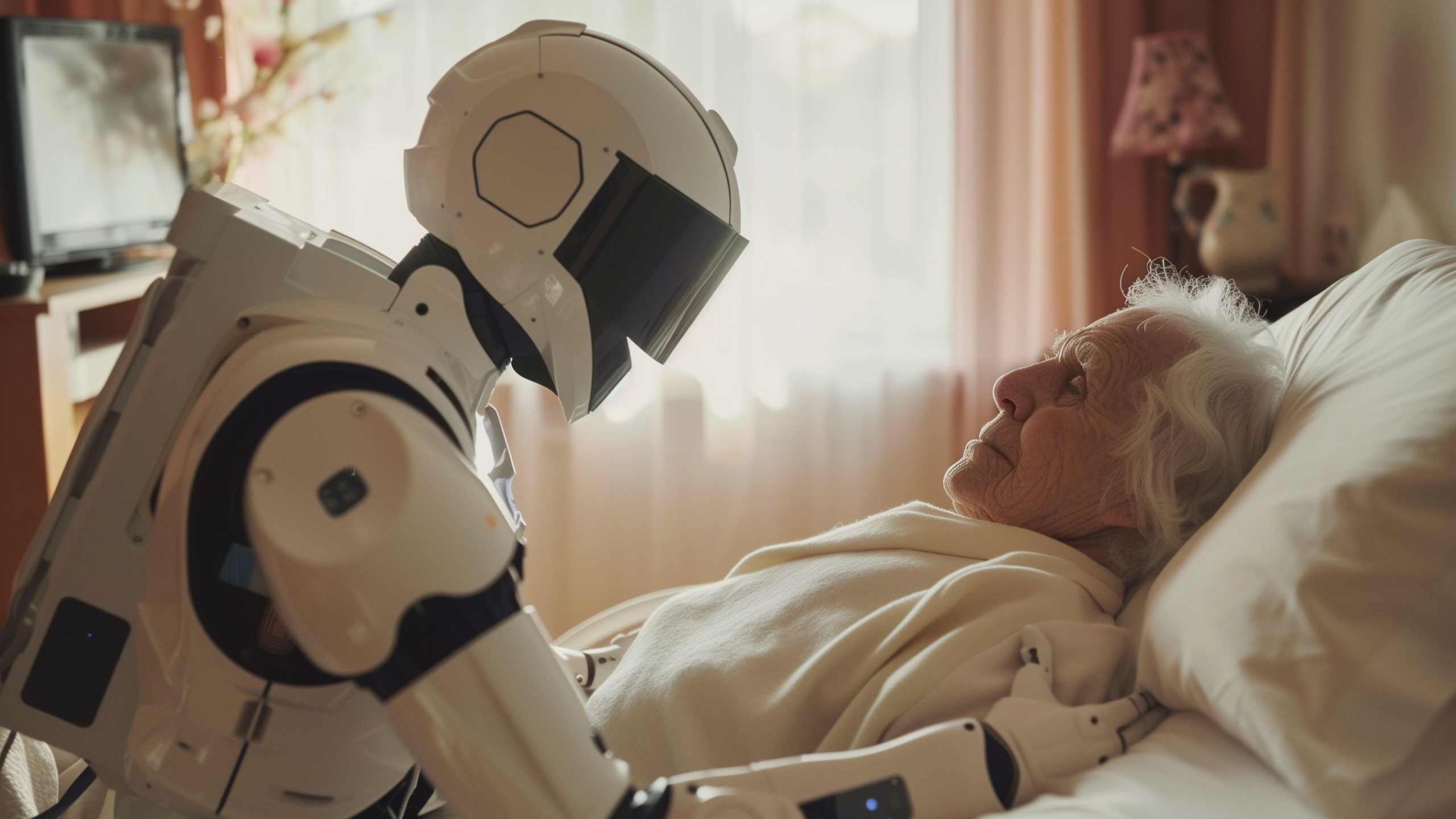
An aging parent needs more attention than the nursing home staff can provide. That’s the sales pitch for AI companion robots now rolling into elder care facilities across America. These digital caregivers promise to fill the gaps with 24/7 monitoring, engaging conversations, and constant companionship. The reality feels more like a high-tech band-aid on a profoundly human problem.
The New Digital Staff
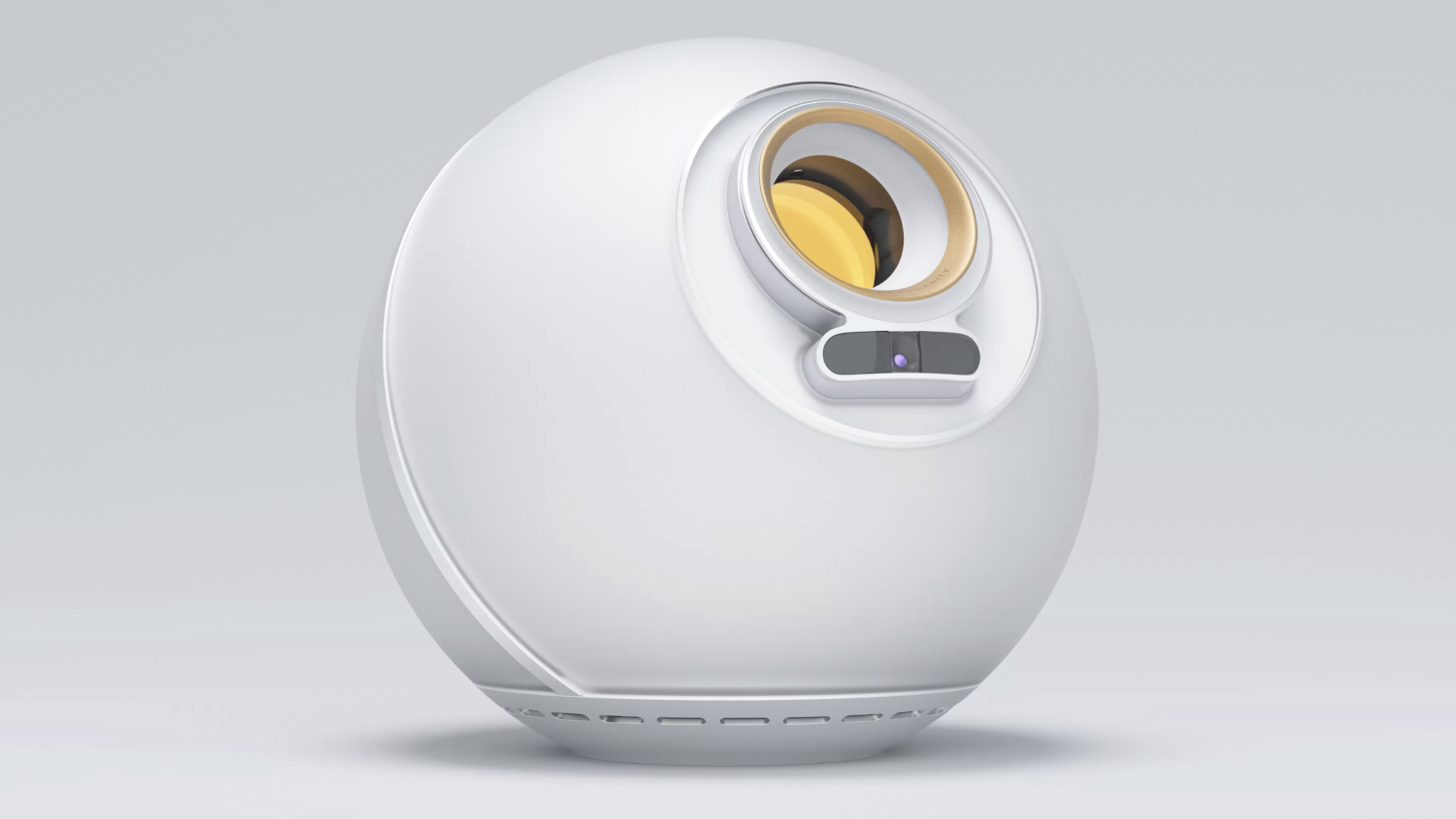
Meet ElliQ, Buddy, and Paro—the latest recruits in understaffed nursing homes. These AI companions track vitals, remind residents about medications, and even play games to combat the isolation affecting 30% of seniors living alone. ElliQ adapts its conversational style for older adults, while Buddy’s emotional AI responds to facial expressions and voice tones.
CarePredict’s wearable system sends real-time alerts about falls or health changes to family members. Industry experts position these robotic as “force multipliers” that free human staff to focus on “meaningful interactions” with residents. The technology handles routine monitoring while caregivers theoretically concentrate on deeper connections.
What Gets Lost in Translation
The promise sounds compelling until family members consider what’s missing from the equation. These robots excel at data collection and scheduled reminders, but they can’t hold a hand during a panic attack or recognize the subtle signs of depression that a trained caregiver might catch.
While manufacturers tout their emotional AI capabilities, research reveals a concerning gap: no studies confirm that robotic interaction truly replicates human empathy. The industry talks about enhancing connection, but the absence of protective contract clauses—like mandated human-to-robot ratios—suggests facilities might be prioritizing efficiency over emotional well-being.
The Care Calculation
This isn’t about rejecting useful technology. Fall detection saves lives, and medication reminders prevent dangerous mix-ups. But when humanoid robot companions become primary social outlets, something fundamental shifts in elder care.
Parents deserve both the safety that technology provides and the irreplaceable comfort of human presence. As family members evaluate care options, ask hard questions about staffing ratios and how facilities balance digital efficiency with authentic human interaction. The future of aging shouldn’t require choosing between innovation and humanity.